

A cup of black coffee is 98% water. How does water affect the taste of coffee?
Brewing coffee is a craft, and water is the most important ingredient in a barista’s hands, though not the only one
What counts for an exceptional cup of coffee:
1. Specialty-grade coffee beans
2. Filtered, fresh water
3. Freshly ground coffee
4. Extraction
Brewing coffee is a craft, and every coffee lover is after the perfect cup. Besides the quality of the beans, water plays a key role. It may seem like a mere backdrop for the star of the show, the coffee, but in reality it has a huge effect on the final taste. How is that possible? Water makes up as much as 98% of the drink, so its quality cannot be overstated. Alongside these two, grinding the beans fresh just before brewing and the extraction process also matter.
The golden rule of brewing: how many grams of coffee per cup
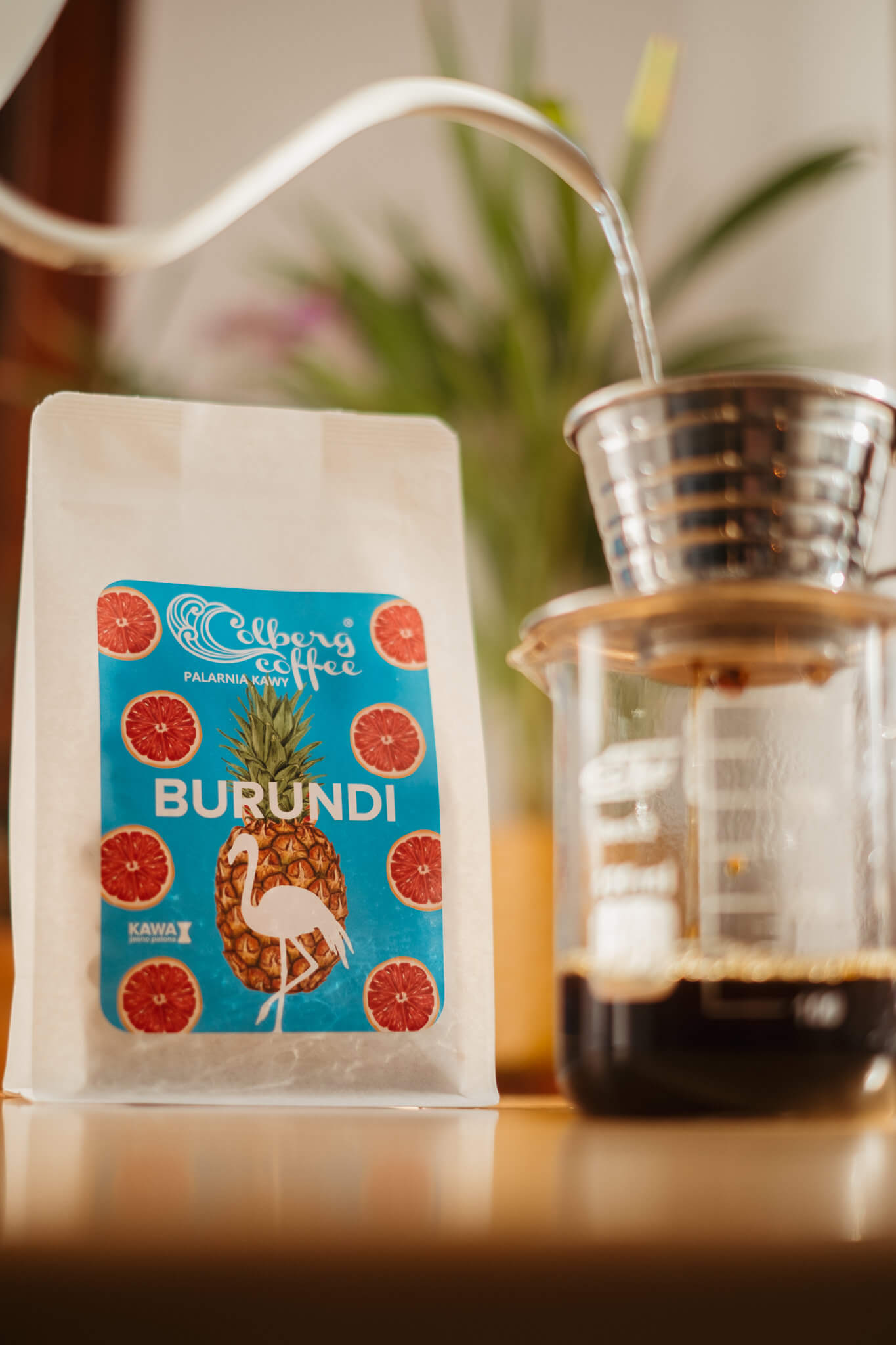
For an ideal cup, the best baristas suggest 6-7 grams of coffee per 100 millilitres of water. For a cup of coffee (200 ml) you should use 12-14 grams of freshly ground coffee. This ratio helps bring out the full flavour and aroma of the beans. The final result, however, depends on many factors, such as the type of beans, the grind size, the extraction and the quality of the water.
It is worth adding that espresso needs a different amount of coffee. In the best cafés, using a medium-roast coffee, a barista will use 7-10 g for a single espresso and 14-20 g for a double (espresso doppio), with 18 g a common double basket and a brew ratio of around 1:2.
Water is a key ingredient of coffee
The amount of minerals dissolved in water, known as TDS (Total Dissolved Solids), has a direct effect on the taste of coffee. Water with too high a TDS (over 250 mg/l) can make coffee flat and lacking depth. On the other hand, water that is too pure, such as distilled water, can give an unpleasant, harsh drink. The SCA (Specialty Coffee Association) Water Quality Standard sets a target TDS of about 150 mg/l, with an acceptable range of 75-250 mg/l.
Minerals and their effect on flavour: calcium and magnesium
Substances such as magnesium and calcium are dissolved in water as charged particles (Ca2+ and Mg2+). These particles are key to extraction, because most of the flavour-carrying compounds in coffee are negatively charged, which means magnesium and calcium attract them. Extraction is the process in which water washes compounds out of the coffee: fats, sugars and caffeine, among others, pass from the ground coffee into the water, and the result is what we call coffee.
Magnesium helps bring out clearer fruity notes, while calcium emphasises heavier, creamy flavours. Research shows that magnesium ions in water can improve the taste of coffee, while an excess of bicarbonates can have a negative effect and cause a bitter aftertaste.
The best water temperature for a perfect cup
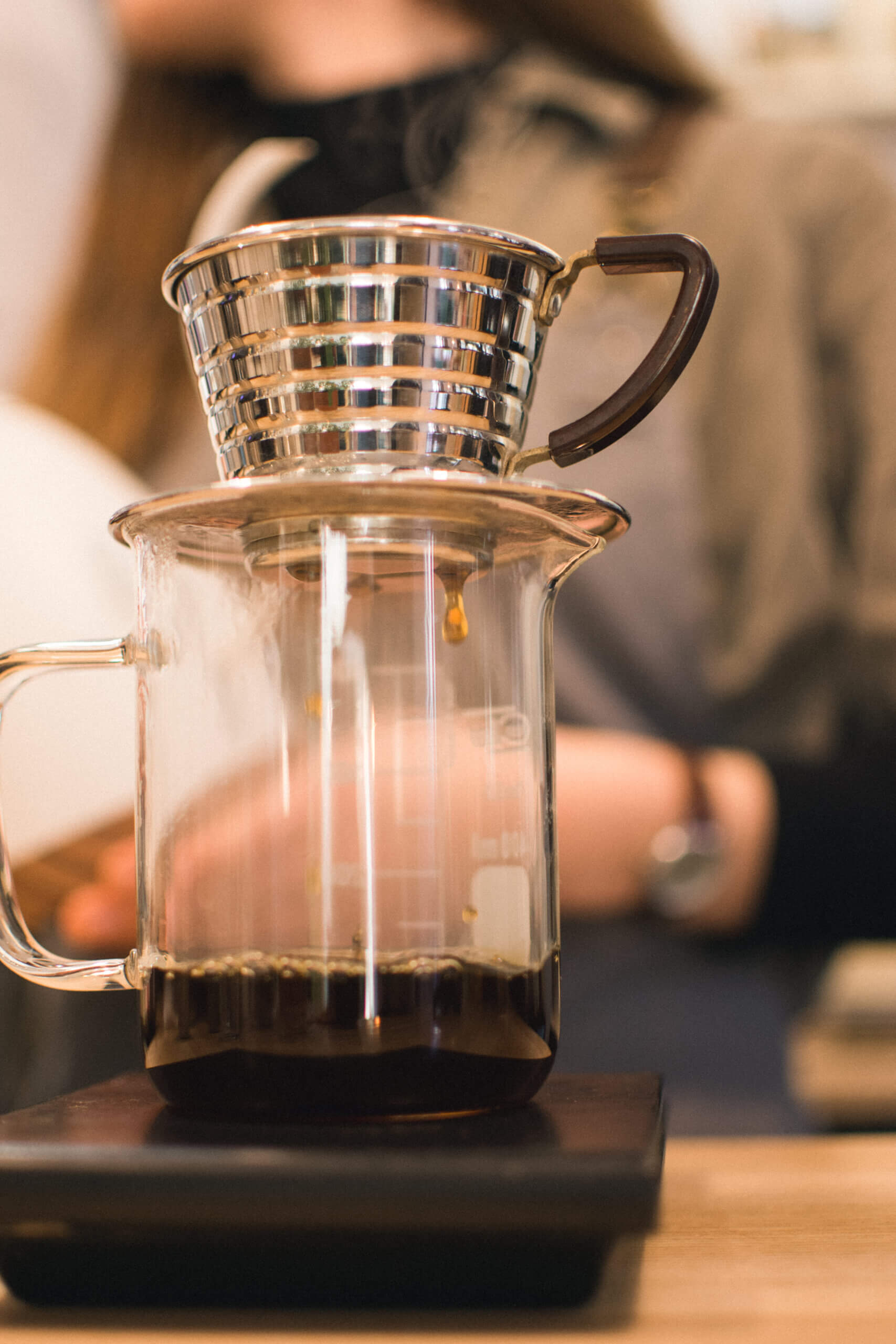
The right water temperature is another important factor. The optimum range is 90°C to 96°C. Too low a temperature can make the coffee flat, and too high a temperature will destroy delicate aromas. Contact time between water and coffee also plays a key role: too short an extraction can give a weak brew, and too long can lead to excessive bitterness.
With filter methods such as Chemex or a dripper, extraction usually takes longer than on an espresso machine. The longer contact time lets the water draw the flavour and aroma compounds out of the beans more thoroughly. As a result, a filter brew can contain more caffeine than coffee made on an espresso machine.
How to filter water at home or in the office
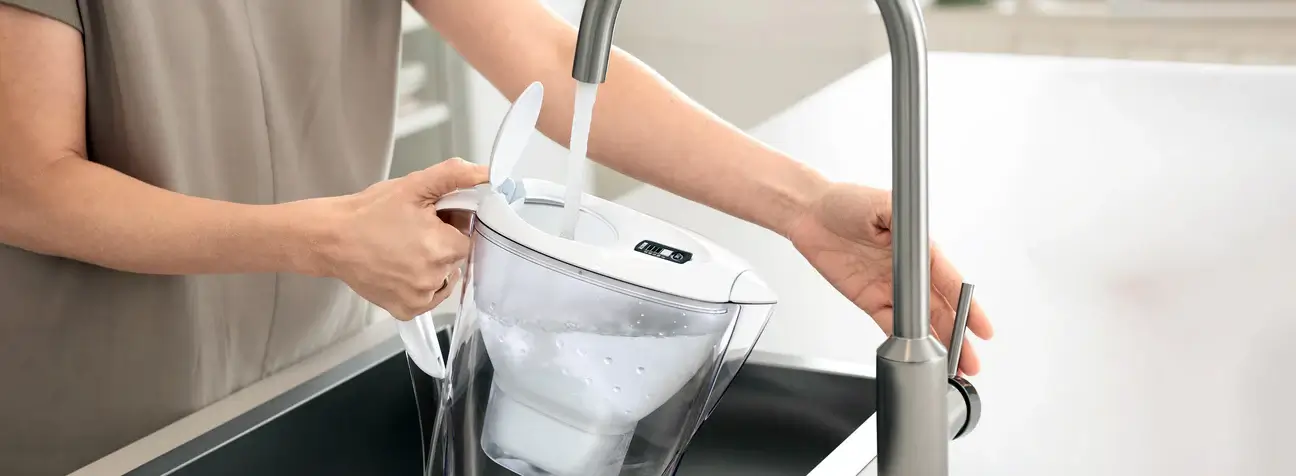
To noticeably improve the taste of your coffee, it is worth investing in a filter for drinking water. Simple solutions such as filter jugs are affordable. These filters remove unwanted impurities such as sand and chlorine from tap water, which not only improves the taste of drinks but also protects your coffee machine from scale. Filtration reduces water hardness, which is key to a great cup because it removes the off-flavours caused by excess minerals.
Reverse osmosis
Reverse osmosis is an increasingly popular way to treat water, especially for making excellent coffee. It is an advanced filtration method that removes almost all impurities from water, including metal ions and other fine particles. The process uses a semi-permeable membrane that lets only clean water molecules through and holds back everything else. The resulting water is exceptionally pure, which is ideal for brewing coffee with a clear, clean taste.
One of the challenges of reverse osmosis is the relatively large amount of wasted water. Depending on the system, one litre of clean water can come with 4 to 8 litres of rejected water, and some sources quote even higher figures. Bear in mind, though, that this water can be reused, for example for household purposes, which reduces the waste.
Reverse osmosis is one of the most effective methods of water treatment, especially if you want the highest quality coffee. It lets you control water hardness and remove unwanted substances, which translates into an excellent cup.
Water filtration in the café
In our café we use BRITA PURITY C filtration systems, which effectively reduce water hardness and protect the coffee machines from scale. With BRITA PURITY C filters the water is free of chlorine and other impurities, which gives a clean, full flavour in the cup. These systems are designed specifically for professional venues and provide reliable, optimum water quality. Regular filter changes are essential to keep the drinks consistently good. Using BRITA PURITY C not only improves the taste of the coffee but also extends the life of the coffee equipment.

Which water should you use? Which water for a home coffee machine?
Choosing the right water for brewing is key to getting the best taste. Here are a few rules worth following:
Fresh water
First of all, the water you use for coffee should be fresh. Water that has stood in the machine’s tank for more than 48 hours can lose quality and spoil the taste of the coffee. Change the water in the machine regularly to avoid unpleasant flavours.
Avoid mineral water and boiled water
Mineral water often contains too many minerals, which affects hardness and can stop the coffee’s aromas from fully developing. Boiled water, on the other hand, has lost some of its natural components and can make the coffee taste flat and dull.
Optimum water hardness
Ideal brewing water should be moderately hard. Water that is too hard can over-extract bitterness, while water that is too soft can cause a sour taste. That is why filtered water is worth using: it reduces excess minerals and gives a good-quality brew.
Water and the environment
Using water filters and avoiding plastic bottles is also good for the environment. Fewer bottles bought means less plastic waste, which benefits our surroundings.
It pays to invest in the right water and filters to enjoy the full flavour of your favourite coffee, looking after both the quality of the drink and the environment.
