

You buy good coffee, grind it just before brewing, use a trusted machine or pour-over dripper, and still the cup does not taste the way you expect? Very often the problem is not the coffee but the water temperature.
It is the temperature that decides which compounds are extracted from the beans. Too low and the coffee will be sour and watery. Too high and it can pull out excessive bitterness and unpleasant, astringent notes.
Why does brewing water temperature matter so much?
During brewing, water dissolves hundreds of chemical compounds present in the beans. Not all of them are released at the same rate.
At the right temperature we get a cup rich in natural sweetness and fruity, chocolatey or nutty aromas. When the water is too cool, extraction is incomplete and the coffee tastes flat, sour and lacking depth.
Boiling water, on the other hand, causes over-extraction. Compounds responsible for intense bitterness and astringency end up in the cup and can dominate the whole flavour profile.
That is why the right water temperature is one of the most important parameters affecting the taste of the finished coffee.
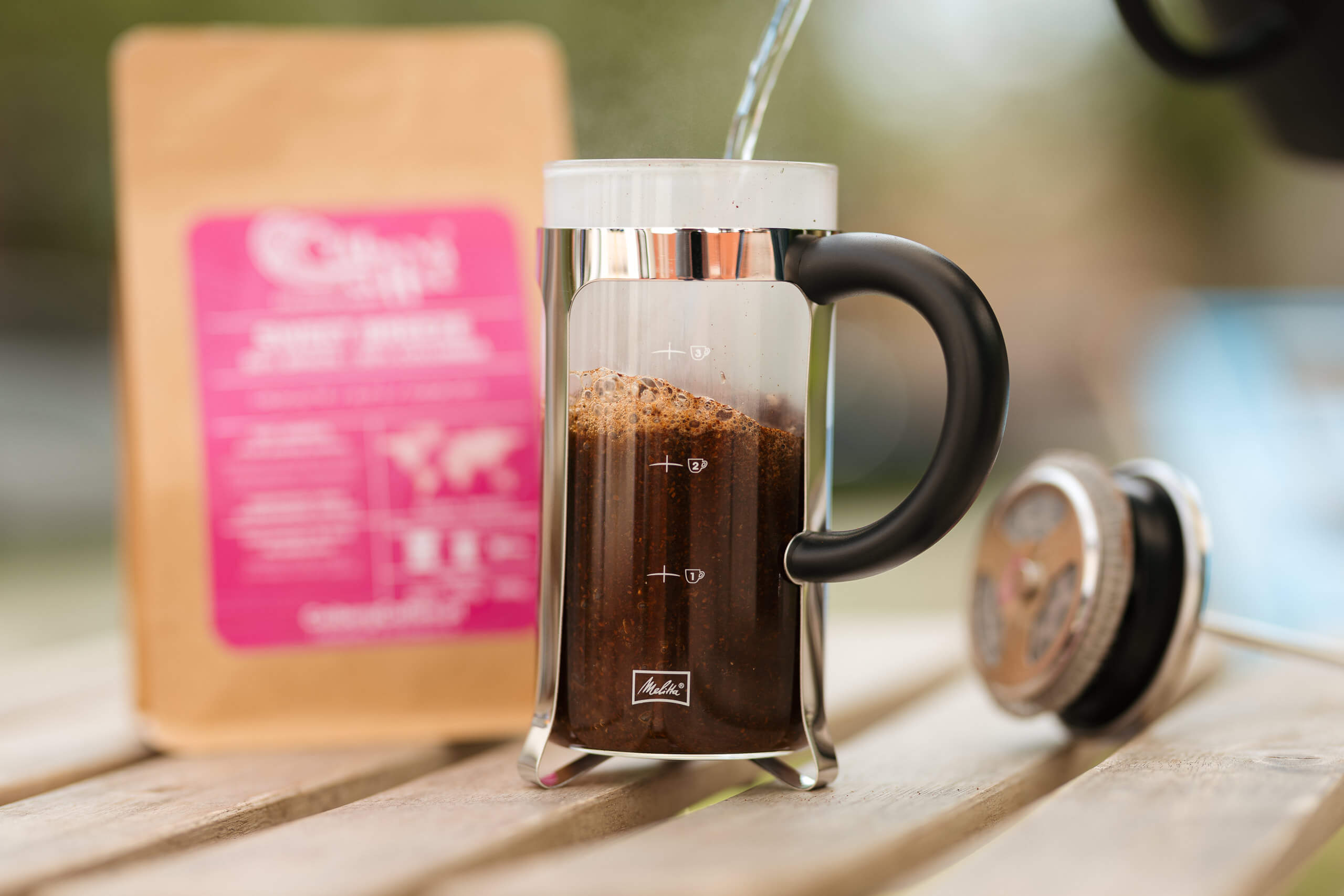
What is the ideal coffee brewing temperature?
The optimal brewing temperature is generally considered to be 90-96°C. Within this range extraction works properly and brings out the natural aroma, sweetness and complexity of the beans.
There is, however, no single ideal temperature for every coffee. The final choice depends on many factors, such as the brewing method, the type of beans, the roast level, the grind size and the flavour you are after.
In practice it is usually best to start at around 92-94°C and then adjust to the particular coffee. Even a change of 1-2°C can affect the taste and help bring out its character.
If the temperature is too low, extraction may be insufficient, so the coffee will taste sour, thin and not very aromatic. Water that is too hot, on the other hand, can lead to over-extraction, with more noticeable bitterness and astringency as a result.
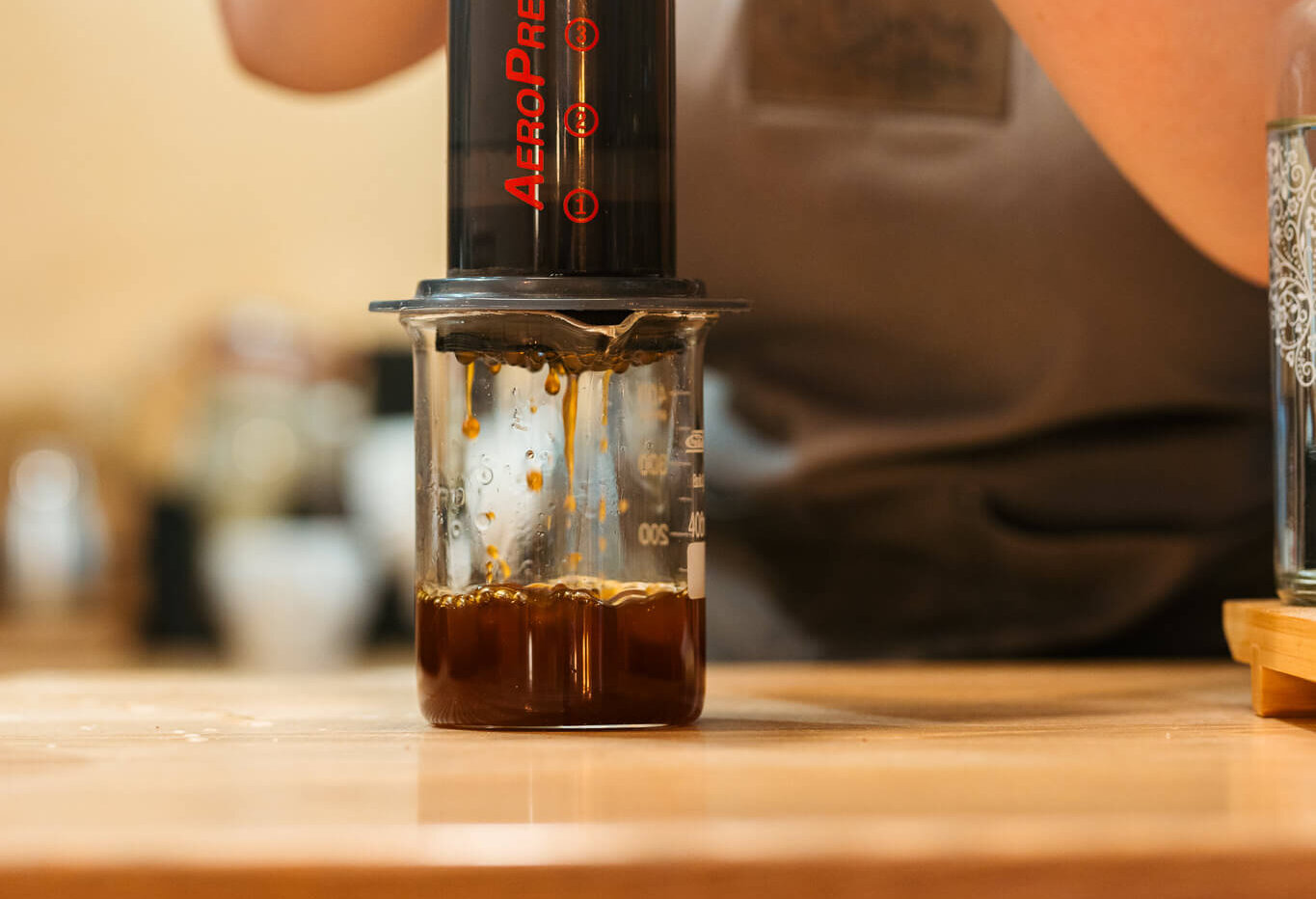
Can you pour boiling water on coffee?
This is one of the most often repeated myths.
Freshly boiled water is about 100°C, well above the recommended brewing range. For most methods it is not a good idea to use it straight off the boil.
The simplest solution is to wait about 30-60 seconds after the kettle switches off. In that time the temperature drops to a level suitable for most brewing methods.
If you use a temperature-controlled kettle, just set the value you want and keep it the same every time you brew.
What temperature to brew coffee at for different methods
Although the 90-96°C range works almost every time, each method has its own preferences.
| Brewing method | Recommended temperature |
|---|---|
| Espresso, V60, Chemex and French press | 90-96°C |
| AeroPress | 85-96°C depending on the recipe |
| Moka pot | Temperature is not controlled directly. It is best to fill the moka pot with pre-heated water. |
These temperatures are guidelines. The optimal brewing temperature can vary depending on the type of coffee, its roast level, grind size, brewing method and recipe.
How to check water temperature for coffee without a thermometer
Not everyone needs specialist equipment.
If you use an ordinary kettle:
-
boil the water,
-
wait about 30-60 seconds,
-
start brewing.
It is a simple method that in most cases gets you close to 92-96°C.
If you want maximum repeatability, go for a temperature-controlled kettle. It is a small change that makes brewing great coffee much easier.
The most common brewing mistakes
The mistakes we see most often are:
-
pouring boiling water on the coffee,
-
using water that is too cool,
-
changing the temperature every time you brew,
-
the wrong grind size,
-
the wrong coffee-to-water ratio.
Remember that temperature is only one part of the whole process. Bean freshness, water quality, grind size and extraction time are just as important.
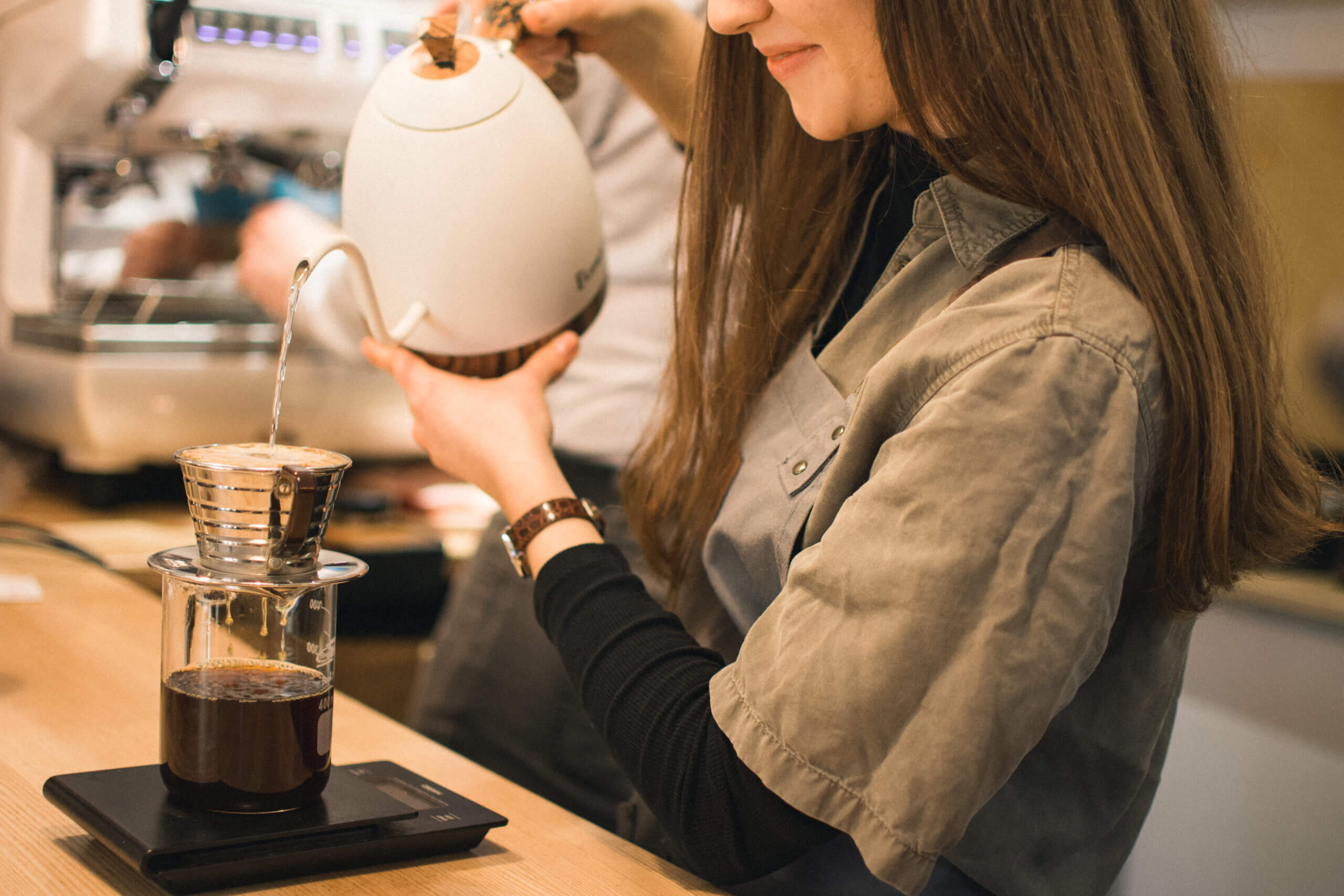
So what temperature should you brew coffee at?
If you want an aromatic, well-balanced cup, the right water temperature matters a lot. In most cases 90-96°C works best, and about 93°C is a versatile choice.
Avoid pouring boiling water on your coffee, and match the temperature to the brewing method and the roast level of the beans. That way you will get the full flavour and aroma out of your coffee, and every cup will be repeatable and much better.
FAQ: brewing temperature for specialty coffee
What is the best temperature for brewing specialty coffee?
For most specialty coffees, 90-96°C is the right range. A good starting point is around 92-94°C, which you can then adjust to the particular coffee, brewing method and the flavour you want.
Can you pour boiling water on coffee?
You should not brew coffee with freshly boiled water at around 100°C. Water that is too hot can cause over-extraction and pull intense bitterness and unpleasant astringency out of the beans. After boiling, wait about 30-60 seconds or set your kettle to 90-96°C.
What happens if the water temperature is too low?
Water that is too cool can lead to under-extraction. The coffee may then be sour, watery, not very aromatic and lacking natural sweetness.
How can you check the water temperature without a thermometer?
After boiling the water, wait about 30-60 seconds before you start brewing. It is not an exact measurement, but it usually gets you a temperature suitable for most methods.
Is temperature alone enough to brew good coffee?
Temperature is very important, but the taste of the cup also depends on bean freshness, water quality, grind size, the coffee-to-water ratio and brew time. All of these parameters should be matched to the brewing method.
