
You buy freshly roasted coffee, open the bag and immediately smell an intense aroma. After a few weeks, though, the same smell is weaker, and the brew may lose some of its sweetness and complexity. This is the natural ageing process of coffee, and the right storage can slow it down.
Can you freeze coffee? Yes, as long as the beans are properly protected. The freezer can help preserve their aroma for longer, but it is not always necessary. If you use up a bag as you go, a tightly closed bag in the right spot in the kitchen is usually enough.
Why does coffee lose its freshness?
After roasting, the beans contain hundreds of volatile compounds responsible for the aroma and flavour of the brew. Over time some of them escape, and the rest undergo chemical changes.
The biggest enemy of fresh coffee is oxygen. Contact with air speeds up oxidation, causes pleasant aromas to fade and can lead to flat, papery or rancid notes. High temperature and moisture also speed up ageing.
The form of the coffee matters too. Grinding increases the surface area in contact with air, so ground coffee loses aroma faster than whole beans. It is best to store it as beans and grind it just before brewing.
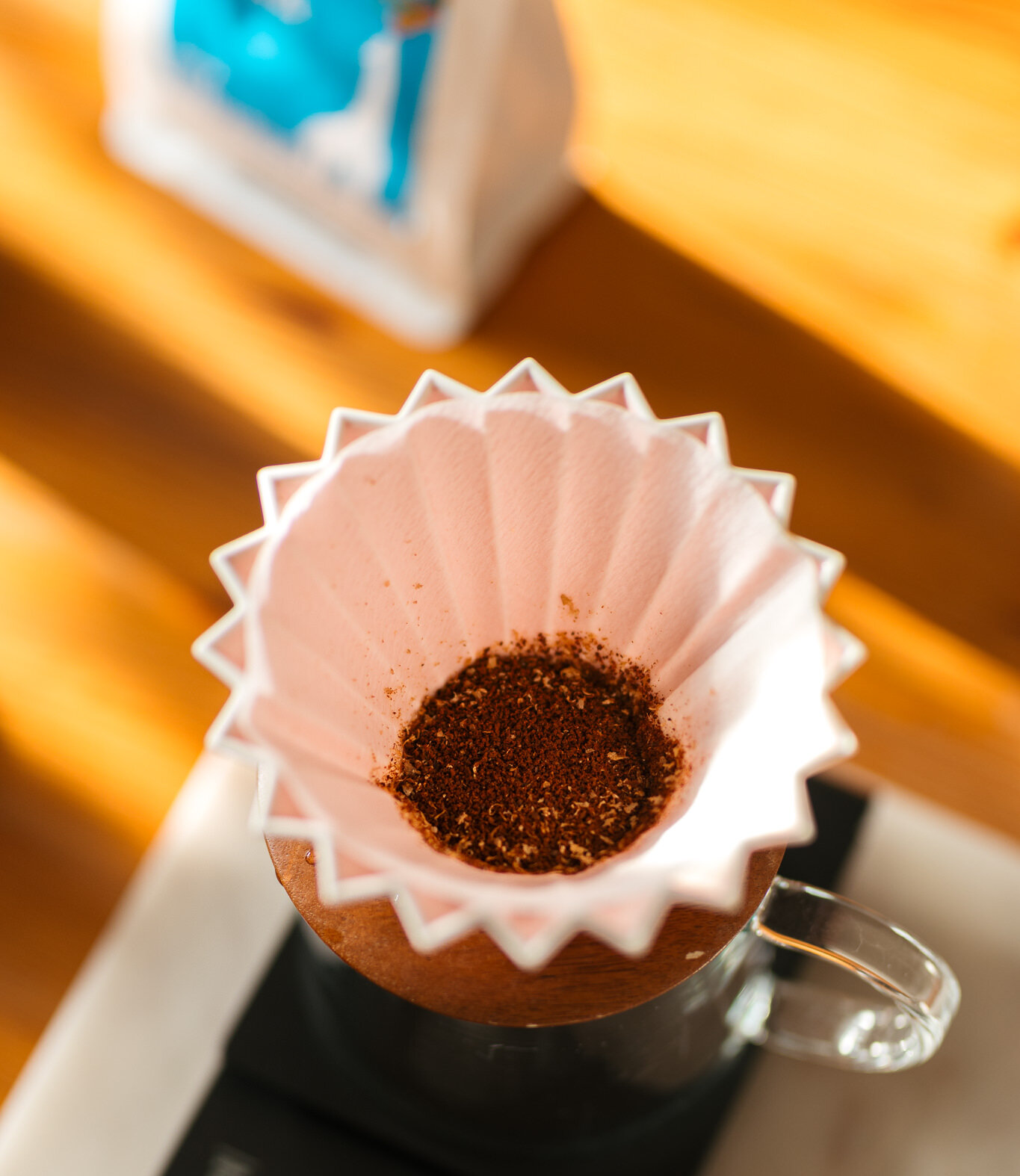
How to store coffee day to day
If you use up a bag within a few weeks, you do not need to put it in the freezer. The best place is a dry, shaded cupboard away from the oven, hob, radiator and window.
You can leave the coffee in its original bag if it is opaque and has a tight seal. After each use, press excess air out of the bag and close the zip carefully. A sealed, opaque container sized to the amount of beans is also a good solution.
It is not worth tipping a small amount of coffee into a large jar. The more empty space there is inside, the more oxygen is in contact with the beans. If the container is transparent, it should stand in a closed cupboard.
The fridge is not the best place for a bag that is opened every day. Low temperature slows down the ageing of coffee, but frequently taking out a cold bag can expose the beans to warm, humid air. The coffee can also pick up the smells of other foods if it is not completely sealed.
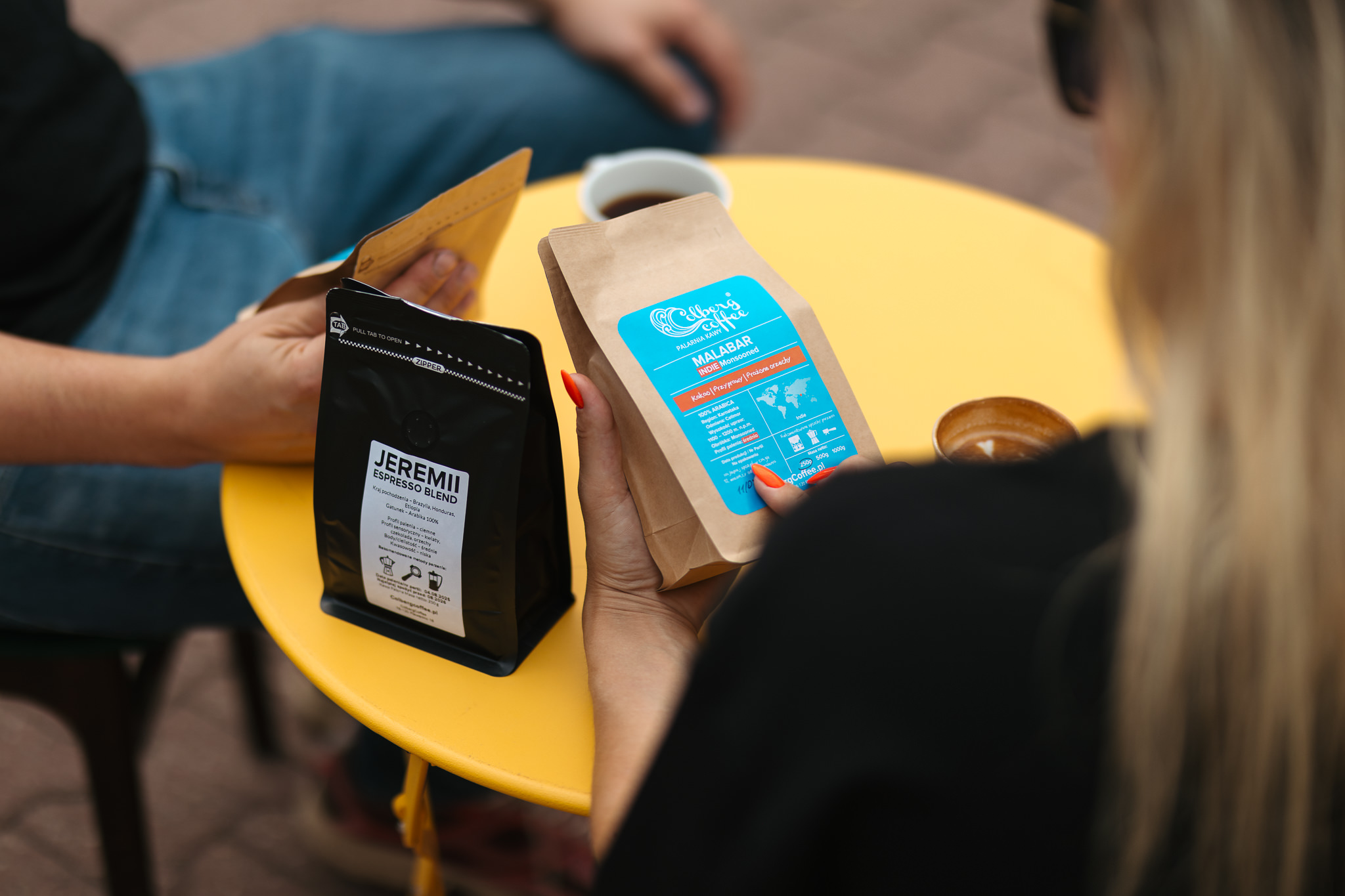
Can you freeze whole bean coffee?
You can freeze whole bean coffee. Low temperature slows down the reactions linked to ageing and the loss of some volatile aroma compounds.
That does not mean every bag has to go in the freezer. If you use up the coffee you buy regularly, a sealed bag kept in a cool cupboard is enough. Freezing makes the most sense when you buy a larger stock, several different coffees or exceptional beans you want to come back to after a longer time.
Low temperature on its own does not damage coffee. The problem can be exposure to moisture and oxygen, and taking the same bag out of the freezer and putting it back again and again.
What does research say about freezing coffee?
In a study by Cotter and Hopfer, darker-roasted beans stored for nine weeks in a freezer kept an aroma closer to fresh coffee than beans stored at room temperature. A Specialty Coffee Association literature review and a 2024 study also confirm that lower temperature slows the changes in aroma compounds. The conclusion is simple: freezing can help, but only when the coffee is tightly protected from oxygen and moisture.

How to freeze coffee properly
The most important thing is to limit the beans’ contact with air and moisture. Instead of freezing one large bag, it is best to divide the coffee into smaller portions beforehand.
- Divide the beans into portions for a single brew or amounts that will last a few days.
- Put them in sealed freezer bags or small airtight containers. Vacuum packing is also a good solution.
- Remove as much air as possible from the packaging, close it carefully and write down the name of the coffee and the freezing date.
- Take out only as much coffee as you actually need. Do not keep opening a large bag stored in the freezer.
- If you want to thaw the beans, leave the closed packaging at room temperature. Open it only once the coffee has warmed up. This reduces the risk of moisture condensing on the cold beans.
A single portion can also be ground straight from the freezer. You should not, however, refreeze coffee that has already been thawed and exposed to warm air.

How to store coffee: summary
For everyday storage, a sealed, opaque bag or container kept in a dry, cool cupboard works best. The beans should be protected from oxygen, moisture, light, high temperature and strong smells.
It is worth grinding coffee just before brewing. Do not keep it in an open bag, above the hob or in a sunny spot.
If you plan to store coffee for a longer time, you can freeze it. Divide the beans into smaller portions, seal them tightly and do not refreeze them after thawing. Proper freezing slows the loss of aroma and helps the beans keep their quality for longer.
The simplest way to good coffee is still buying as much as you can use up as you go. At Colbergcoffee we roast coffee on an ongoing basis, so you do not need to build up large stocks: you can order freshly roasted beans regularly.
FAQ: freezing and storing coffee
Can you freeze whole bean coffee?
Yes. Freezing can slow down the ageing of coffee and help it keep its aroma for longer. The beans must, however, be tightly protected from oxygen, moisture and other smells.
How do you freeze coffee properly?
It is best to divide the beans into small portions and vacuum pack them or put them in sealed bags or containers. That way you do not have to open and refreeze the whole bag again and again.
Do you need to thaw coffee before grinding?
A single portion can be ground straight from the freezer. If you want to thaw it, leave the tightly closed packaging at room temperature and open it only once the beans have warmed up.
Can you store coffee in the fridge?
The fridge is not the best place for coffee you use every day. Taking the bag out often increases the risk of the beans coming into contact with moisture, and coffee that is not tightly sealed can pick up the smells of other foods.
How should you store coffee once the bag is open?
It is best to keep the coffee in a sealed, opaque bag in a dry, cool and shaded cupboard. Store it as whole beans and grind it just before brewing.
