

Good iced coffee does not have to start with espresso. Without a pressurised machine, you can make it with a moka pot, pour-over dripper or French press. Each method gives a different result, from a strong, milky iced coffee to something light and fruity over ice.
What matters most is a strong enough brew, plenty of ice, and coffee that suits the method you choose.
Iced coffee from a moka pot
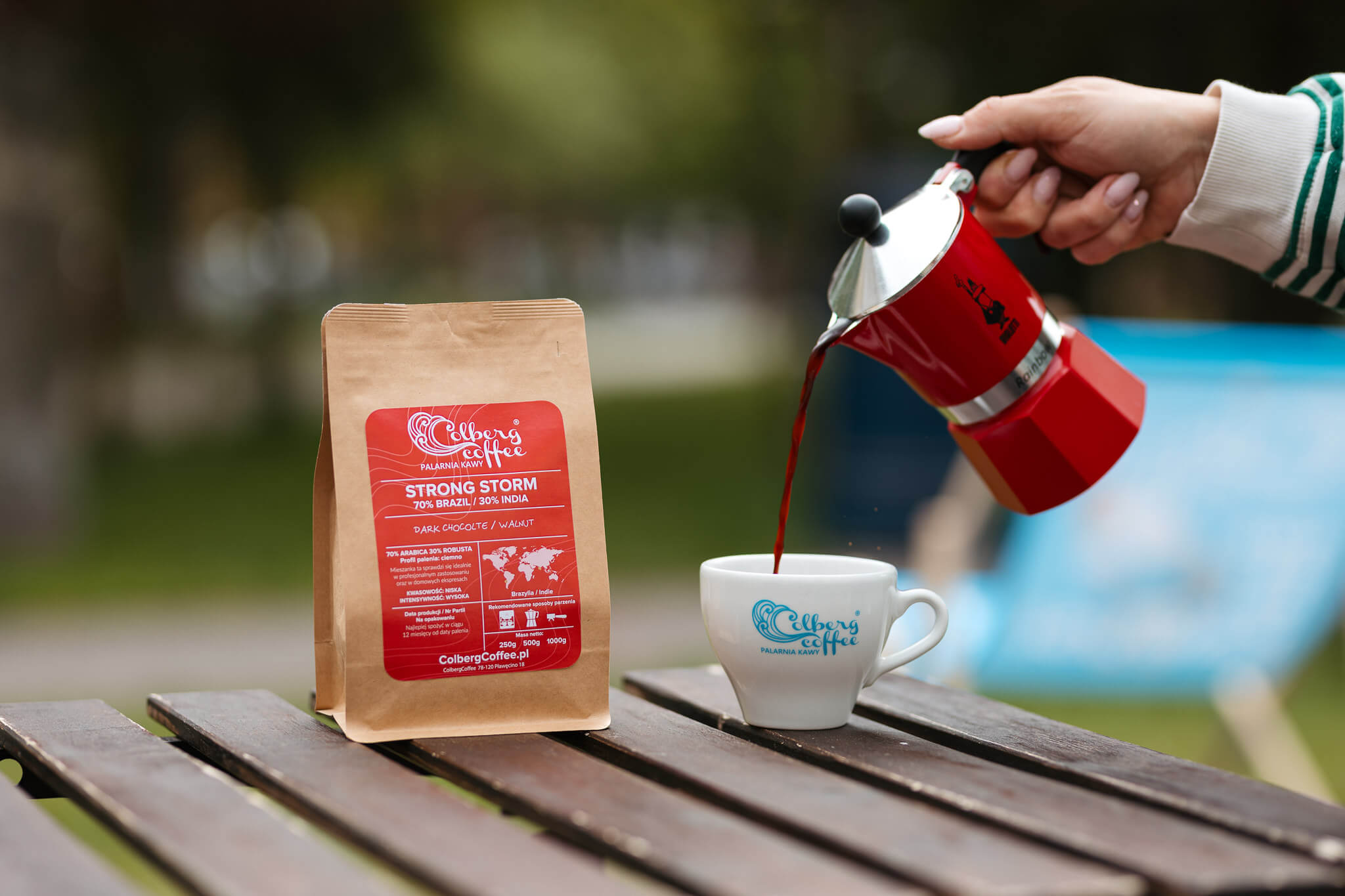
A moka pot works best when you want an iced coffee made with milk. The result is close to coffee from an automatic bean-to-cup or espresso machine.
For one serving, you need:
- coffee dosed to match the size of your moka pot,
- about 120-150 ml cold milk,
- plenty of ice cubes.
Fill the moka pot’s lower chamber with water, without going above the safety valve. Add ground coffee to the basket, level it off, but do not tamp it.
Brew over low heat. The coffee is ready once it turns a pale, straw colour.
Fill a glass with ice, pour in the cold milk, then add the coffee. That gives you a simple iced coffee close to an iced latte, made without a machine.
Read more: How to make good coffee in a moka pot
Iced coffee from a pour-over dripper
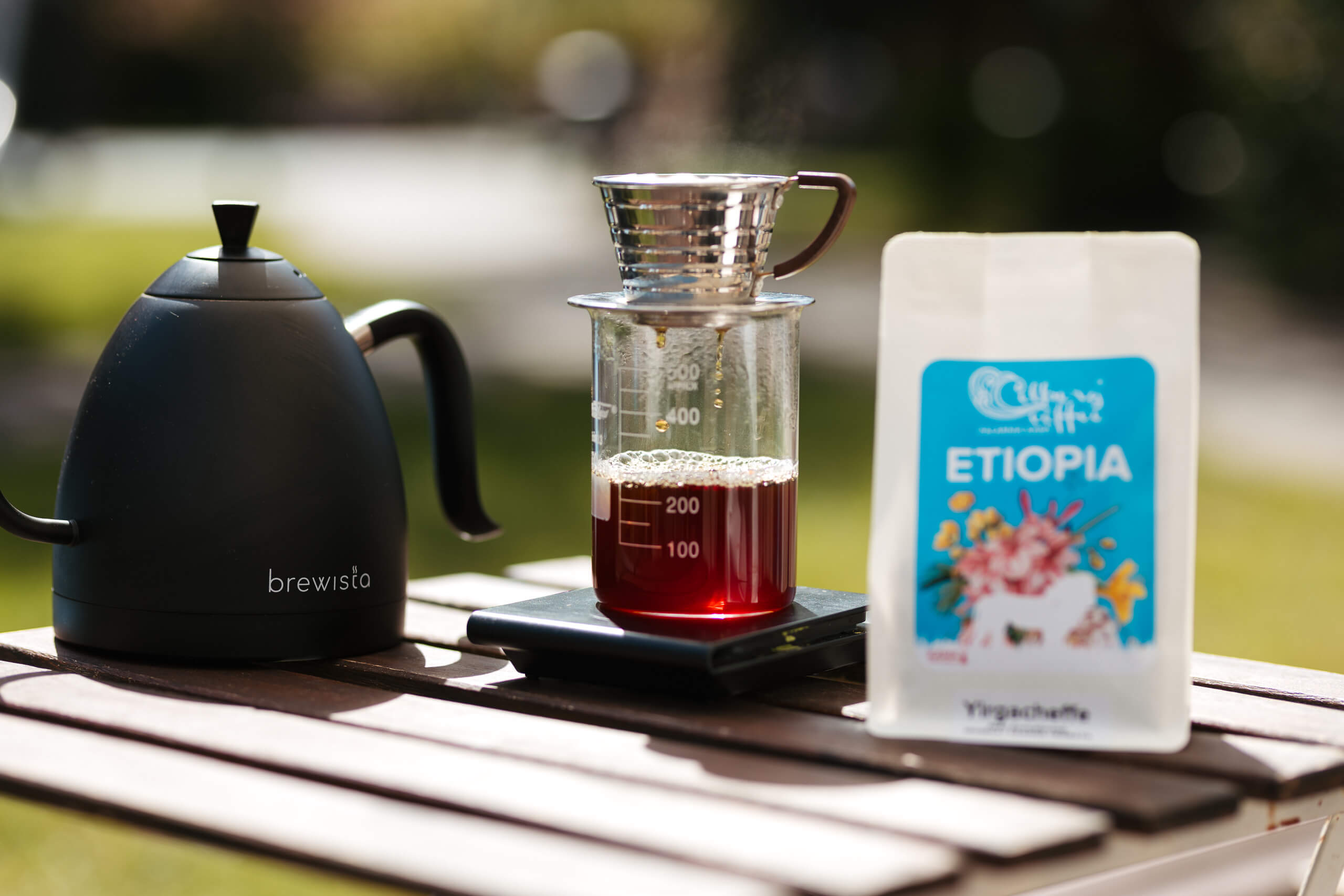
A dripper is the best choice if you like your coffee black, light and refreshing. It is worth using the flash brew method: brewing a hot cup straight onto ice.
For one serving, prepare:
- 12 g light roast coffee (ground medium-coarse),
- 200 ml water,
- about 100 g ice,
- a dripper and a paper filter.
Put the ice in the vessel under the dripper. Rinse the filter with hot water, add the ground coffee and start brewing.
Pour about 40 ml of water first and let it bloom for 20-30 seconds. Then add the rest of the water slowly. The whole brew should take around 2.5-3.5 minutes.
Once it is done, stir the drink so the coffee mixes with the partly melted ice. You will get a cold cup with a clean, light and clear flavour.
If the coffee comes out too watery, increase the dose to 14 g and/or grind a little finer than you would for a standard filter brew without ice.
Iced coffee from a French press
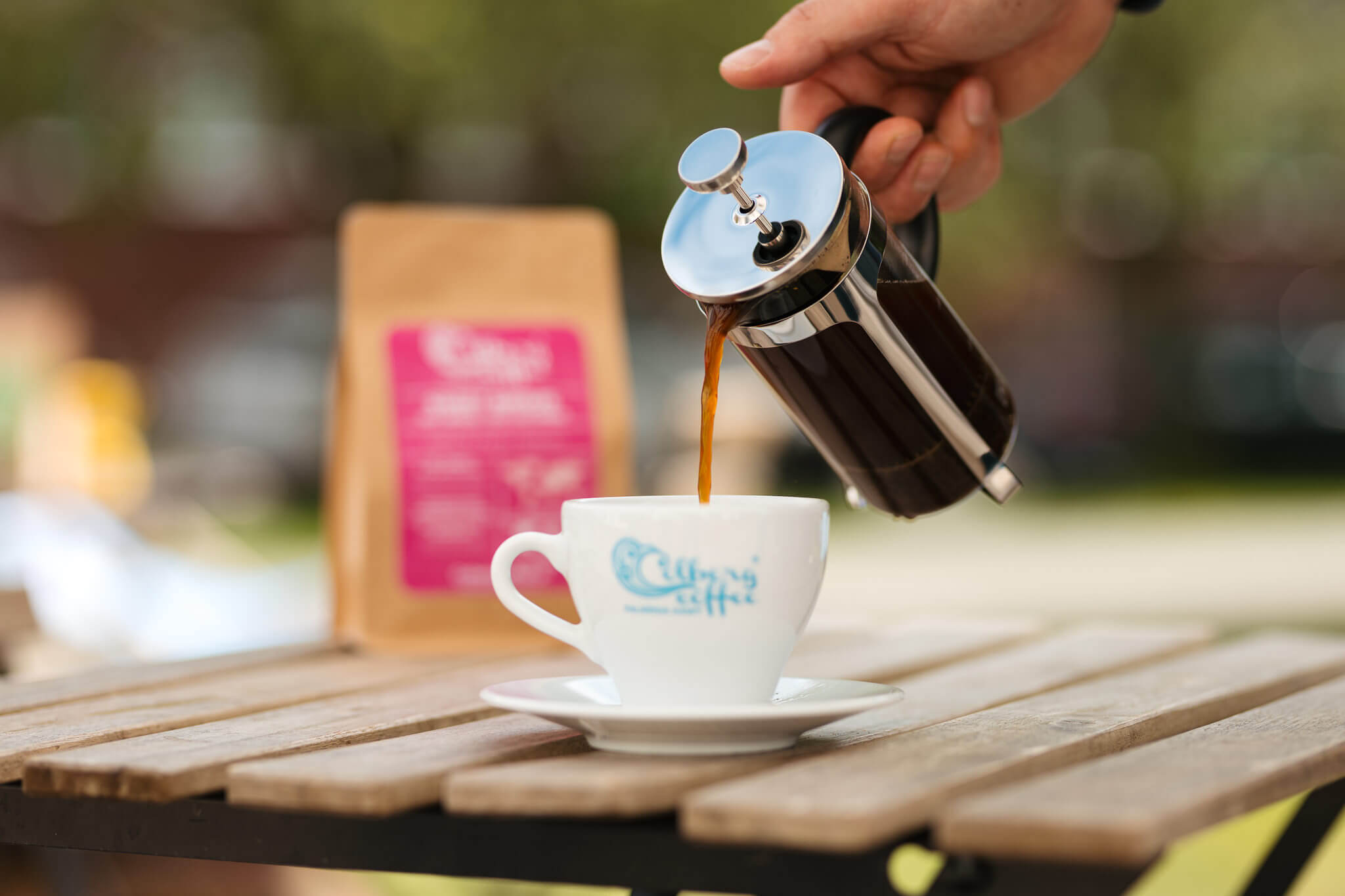
A French press makes it easy to prepare a bigger batch of iced coffee. The brew has more body than a dripper’s, and works served either black or with cold milk.
It is also cloudier, which affects how the flavour comes across.
For two servings, you need:
- about 20 g coarsely ground coffee,
- 300 ml water,
- about 150-200 g ice.
Add the coffee to the French press, pour in hot water (around 92-94°C) and stir gently after a moment. Put the lid on, but do not plunge yet.
After around four minutes, plunge slowly. Pour the brew straight into glasses filled with ice. Do not leave the coffee sitting in the French press, as further contact with the grounds can make it more bitter.
A French press works well for both light and medium roasts.
Less obvious coffee combinations
Instead of sticking to the standard options, it is worth trying something a little different.
These combinations work well:
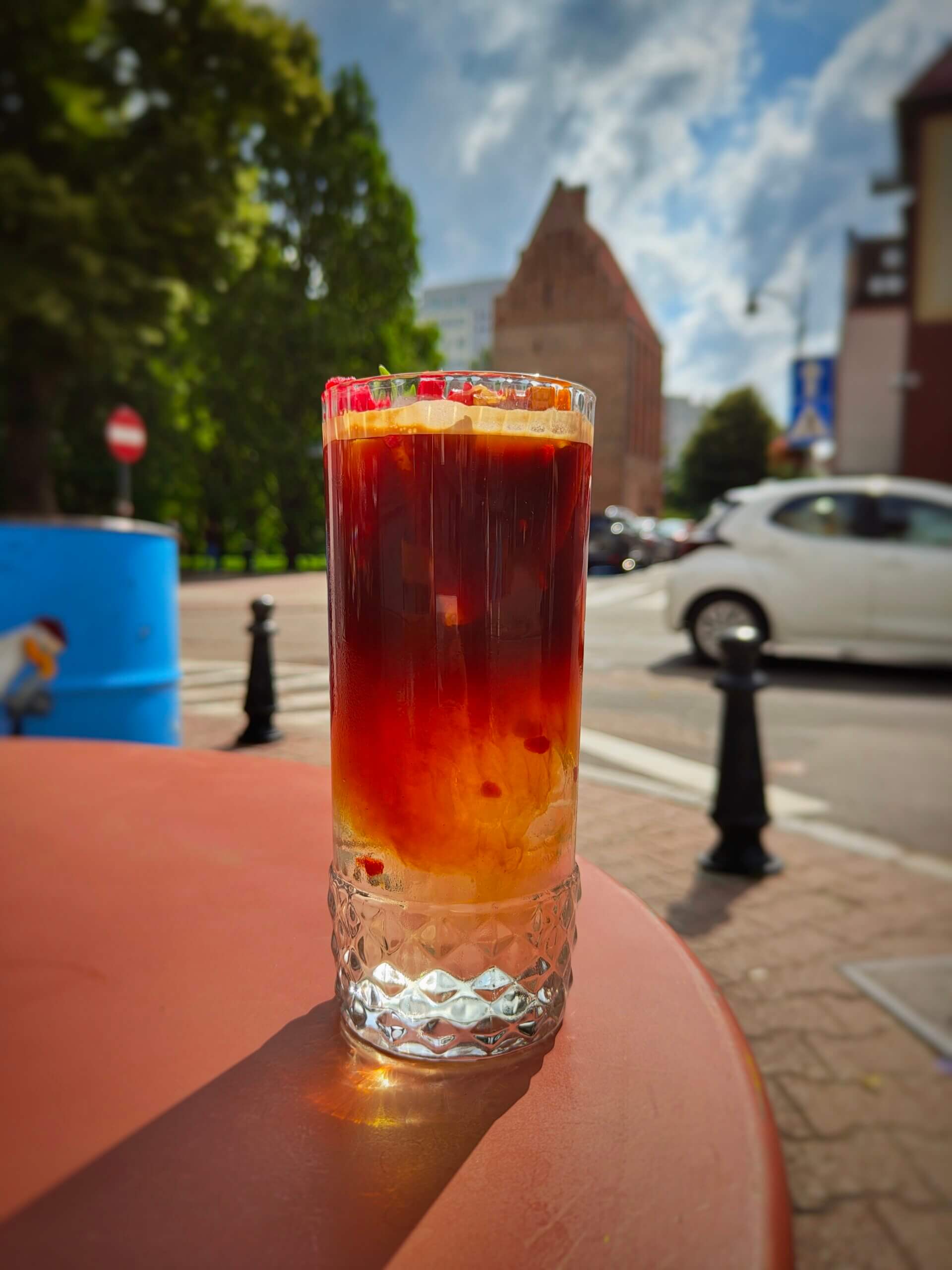
- Espresso tonic: refreshing and a little unexpected. If you like the taste of tonic water, you will like this. Use coffee brewed in a moka pot instead of classic espresso.
- Cold brew: coffee steeped cold, with barely any effort involved, and an alternative plenty of people have come to love.
Which coffee should you choose for iced coffee?
Which beans to use depends mainly on whether you will serve the iced coffee with milk or on its own.
For milky iced coffee, coffees with low to moderate acidity and notes of chocolate, caramel and nuts work best. Their flavour stays clear even once milk and ice go in.
For the moka pot, our own blends Strong Storm, Good Morning and Jeremii Blend all work well.
For iced filter coffee, choose light roast beans with a more fruity, tea-like or citrus profile. In a dripper, coffees from Kenya, Rwanda or Malawi taste particularly good.
Whichever method you use, grind the beans just before brewing. Freshly ground coffee will be more aromatic and distinct.
How do you avoid watery iced coffee?
Iced coffee usually turns watery when the brew is too weak to begin with.
Brew coffee meant to be served cold a little stronger than you would for a hot cup. It is better to use more coffee than to over-extend the brew time, which can bring on unpleasant bitterness.
It also helps to use plenty of well-frozen ice cubes. More ice cools the drink faster and, despite appearances, melts more slowly than just a handful of cubes.
Which method is best?
For a strong, milky iced coffee, a moka pot is your best bet. A dripper gives you a light, fruity coffee over ice, while a French press is the right choice when you want to make a bigger batch.
You do not need an espresso machine. Good beans, the right brewing method and plenty of ice are all it takes.
FAQ: iced coffee without an espresso machine
How do you make iced coffee without an espresso machine?
You can make iced coffee without an espresso machine using a moka pot, a pour-over dripper or a French press. Just brew a strong enough cup, then combine it with plenty of ice.
Which method works best for milky iced coffee?
A moka pot is the best choice for milky iced coffee. The brew it produces is strong and keeps a clear flavour once milk and ice cubes go in.
Can you pour hot coffee straight onto ice?
Yes. Use plenty of well-frozen ice cubes and brew the coffee a little stronger than usual. That way it cools quickly without turning watery.
Which whole bean coffee works best for iced coffee?
For milky iced coffee, beans with notes of chocolate, caramel and nuts work best. For black iced filter coffee, go for a light roast with a fruity, citrusy or tea-like profile.
