





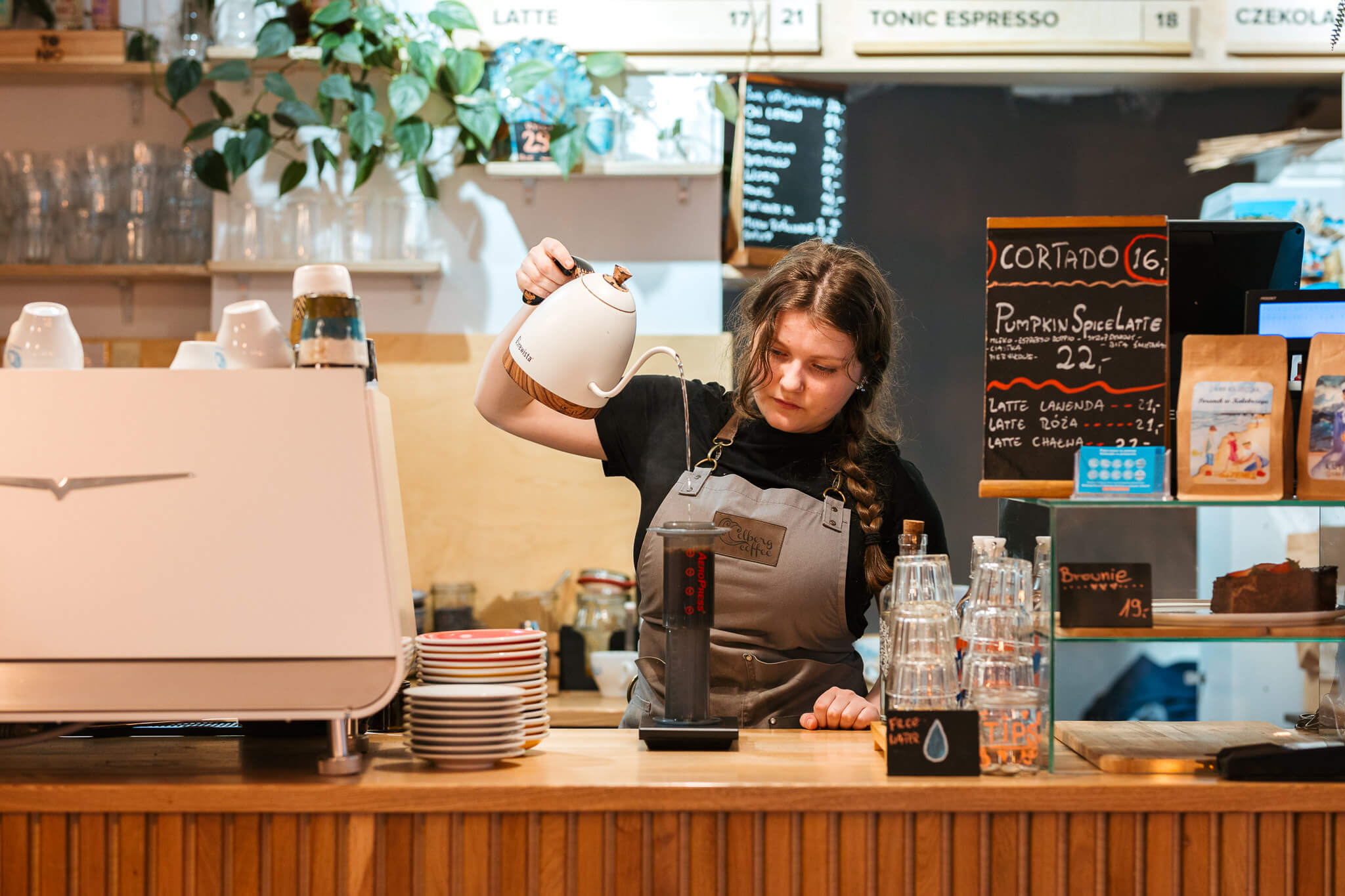

Filter coffee is a simple way to make a clean, aromatic cup at home. Water flows through a bed of ground coffee and a paper filter that holds back most of the grounds, so a clear brew ends up in the jug. To make it taste good, you only need to watch four things: ratio, grind size, water temperature and brew time. In this guide we give concrete numbers, a step-by-step recipe and fixes for the most common mistakes.
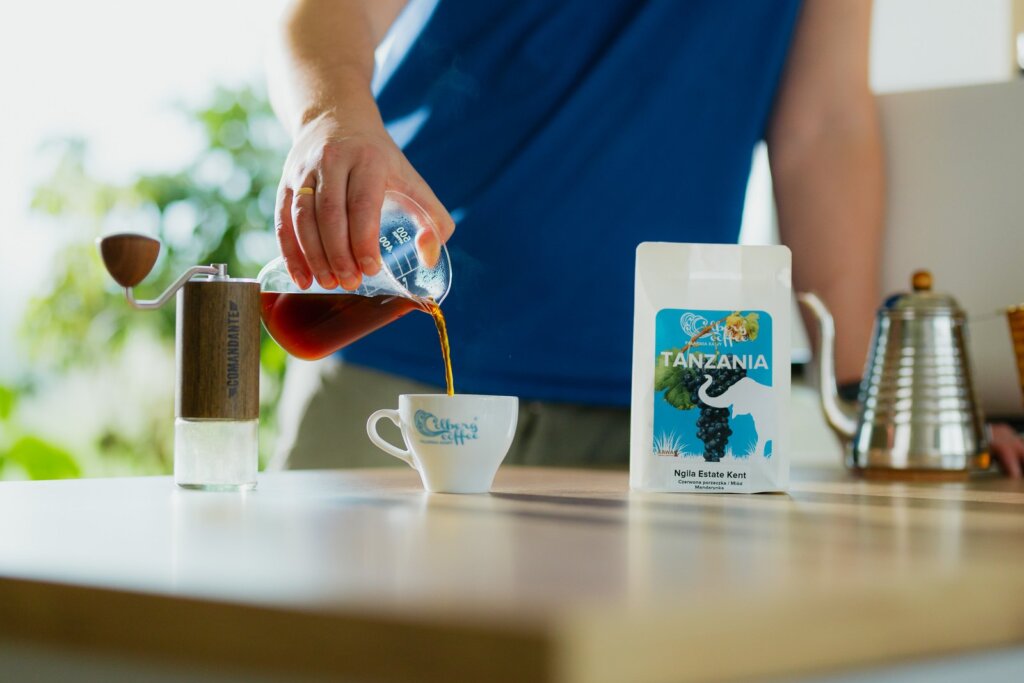
What is filter coffee?
Filter coffee is made when hot water flows by gravity through ground coffee and a filter. There is no pressure as in an espresso machine, so the brew is lighter and clearer than espresso. You can taste the origin of the beans better: fruit, flowers, tea-like notes or chocolate.
There are several ways to make filter coffee:
- Drip coffee maker: convenient for larger amounts, for the whole family or the office.
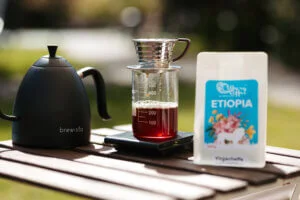
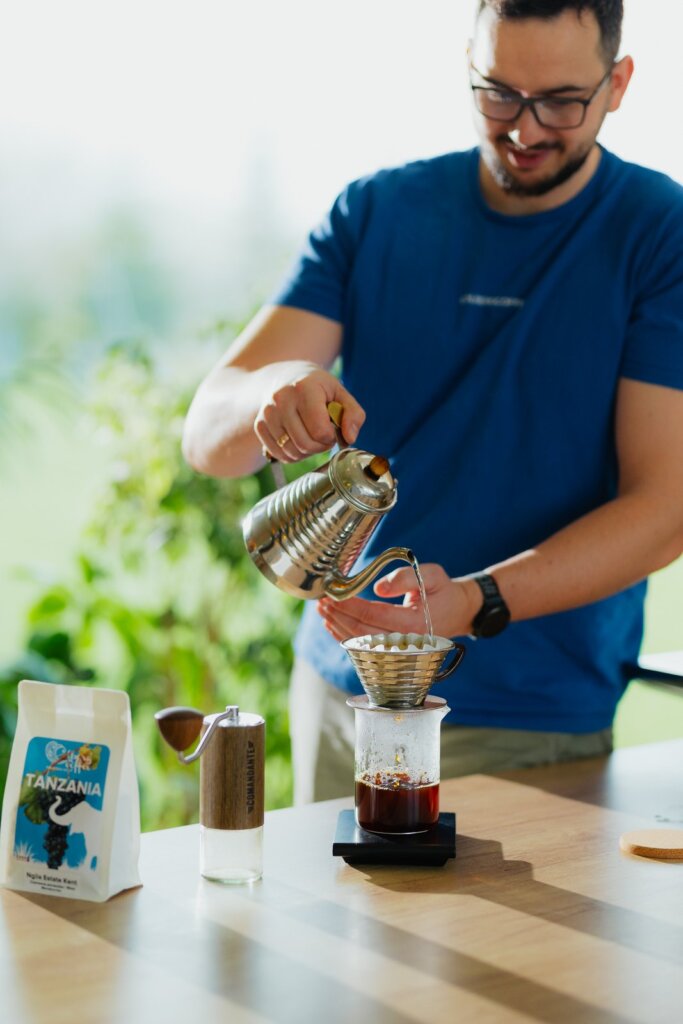
- Dripper: manual brewing where you control the pour yourself. We have separate guides to brewing with the Hario V60 and our Kalita Wave recipe.
- Chemex: a glass carafe with a thick filter that gives an exceptionally clean cup. See our guide to Chemex coffee.
Ratio: how much coffee to water?
A good starting point is 60 g of coffee per litre of water, a ratio of about 1:16.7. The Specialty Coffee Association (SCA) uses about 55 g of coffee per kg of water when testing drip brewers. At home, start in the 55-65 g per litre range and adjust to taste. Less coffee gives a lighter brew, more coffee a stronger one. A kitchen scale is the most accurate way to measure coffee and water. A spoon is only an approximation, because beans differ in density.
| How much you want to brew | Coffee | Water |
|---|---|---|
| 1 mug, about 220 ml of coffee | 15-16 g | 250 g |
| 2 cups, about 440 ml of coffee | 30-32 g | 500 g |
| A jug, about 660 ml of coffee | 45-48 g | 750 g |
| A large jug, about 880 ml of coffee | 60-64 g | 1000 g |
The grounds hold back water, roughly twice the weight of the dry coffee, so you will end up with less coffee than the water you poured. You can read more about ratios in our article on coffee ratio.
How to grind coffee for filter
For filter, you usually grind coarser than for espresso. Match the grind to the brewer, the dose and the flow time. Good starting points:
- Drip coffee maker and Kalita: medium, then adjust to brew time and taste.
- V60: medium-fine. If the water runs through too fast and the coffee tastes flat, grind finer.
- Chemex: medium-coarse, and coarser still for larger doses so the water doesn’t drain too slowly.
Most important is grinding right before brewing, ideally with a burr grinder that gives more even particles and repeatable results. Details for each method are in our guide to grinding coffee.
Water temperature and brew time
Start with water between 92 and 96°C. With light roasts you can try hotter water, with darker roasts cooler. If you don’t have a temperature-controlled kettle, check with a thermometer: simply waiting after boiling doesn’t guarantee a particular temperature. Water that is too cool extracts too little flavour, and the coffee turns out sour and flat.
Approximate brew times:
- V60 and Kalita, one cup: about 2.5-3.5 minutes.
- Chemex: about 4-5 minutes for a medium dose, up to 5-6 minutes for a larger one.
- Drip coffee maker: depending on the model and amount, usually about 4-8 minutes for a full jug.
The water itself matters too: its hardness and taste affect the coffee more than you might think. We cover this in which water for filter coffee.
How to make filter coffee in a dripper: step by step
Recipe for one serving with 250 g of water:
- Weigh 15 g of coffee and grind it medium-fine.
- Put a paper filter in the dripper and rinse it with hot water. This warms the brewer and reduces the risk of a papery taste. Pour that water away.
- Add the coffee, level the bed and place everything on a scale.
- Pour about 30-40 g of water to wet all the coffee and wait 30-45 seconds. This is the bloom: some of the carbon dioxide escapes. You can gently swirl the dripper so the coffee wets evenly.
- Keep pouring slowly in spirals from the centre, avoiding the paper, until the scale reads 250 g.
- Wait for the water to drain. With this recipe, aim for about 2.5-3.5 minutes, but judge the result by taste.
- Swirl the coffee in the jug and serve.
Coffee from a drip coffee maker: how to make it better
A drip machine does a lot automatically, but a few things are still up to you:
- Weigh the coffee according to the table above instead of guessing.
- Grind right before brewing and match the grind to the amount: for a full jug, usually a little coarser.
- Rinse the paper filter before adding the coffee.
- Don’t leave coffee on the hot plate for long. Prolonged heating strips the aroma and can bring out unpleasant notes. If you won’t drink it straight away, pour it into a thermos.
- Descale the machine regularly as the manufacturer recommends. Scale can disrupt water flow and heating.
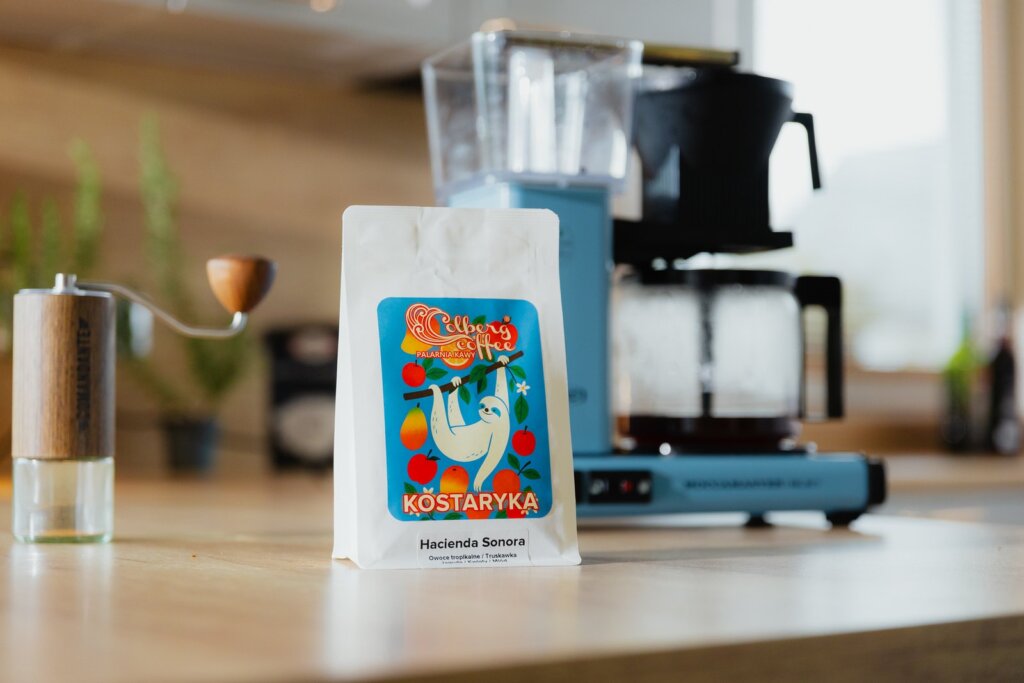
For many Moccamaster machines, including the KB, KBG and KBGT models, we stock No. 4 paper filters.
Sour or bitter filter coffee? Common mistakes
| What you taste | Likely cause | What to change |
|---|---|---|
| Unpleasantly sour, flat, watery | Too little flavour extracted: grind too coarse, brew too short, water too cool or too little coffee | Grind finer, check temperature and ratio |
| Bitter, harsh, drying | Too much flavour extracted or uneven flow: grind too fine, brew too long | Grind coarser, pour evenly |
| Too strong | Too much coffee for the amount of water | Use less coffee |
| Too weak but balanced | Too little coffee for the amount of water | Add coffee, e.g. 1-2 g per mug |
| Flat despite good settings | Coffee roasted long ago, ground in advance or unsuitable water | Grind right before brewing, store the coffee well and check the water |
Remember that fruity acidity is often a natural trait of light roasts, not a fault. Change one thing at a time, ideally the grind. That way you know straight away what improved the taste. We explain how brew time affects coffee in coffee brew time.
Which coffee for filter?
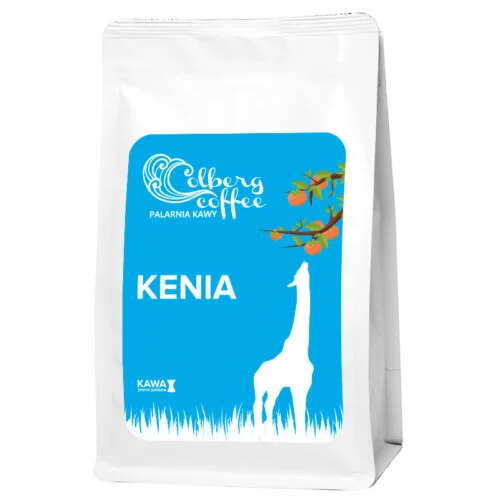
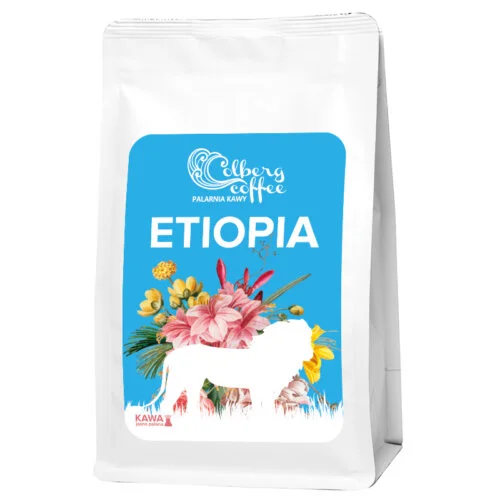
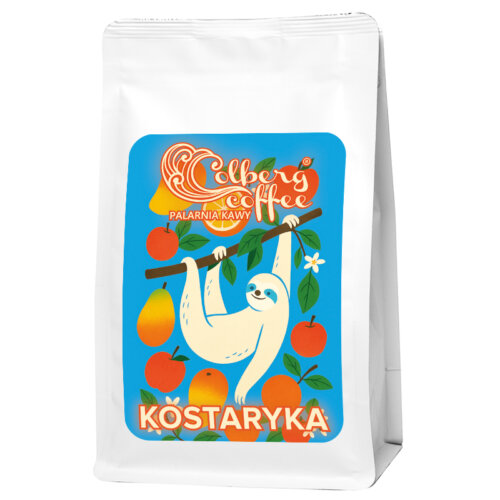
Light and medium roasts are the usual choice for filter, especially if you like fruity, floral and tea-like notes. They come through clearly in a clean cup. From our roastery we recommend, for example, Kenya Inoi Kaguyu, Ethiopia Kurume Natural or Costa Rica San Diego Anaerobic. If you prefer a more chocolatey, classic profile, try Guatemala Huehuetenango with notes of milk chocolate and maple syrup.
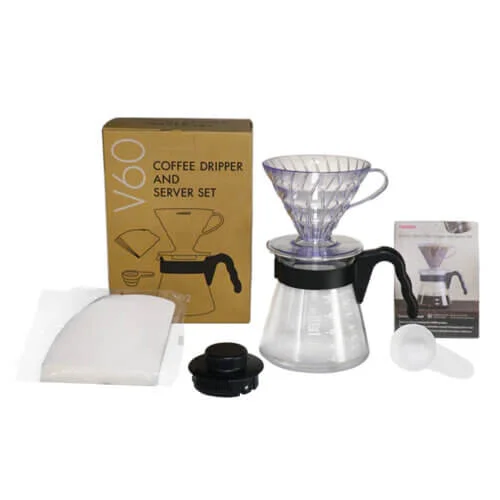
All the coffees for this method are collected in our filter coffee category, and we write more about choosing beans in coffee for filter: which beans to choose. If you are just starting, the Hario V60 Craft Coffee Maker set with a dripper, jug and filters is a good start. Other drippers are in our drippers category.


How much coffee per litre of water for filter coffee?
Start with 60 g of coffee per litre of water, a ratio of about 1:16.7. Then try the 55-65 g per litre range, depending on the beans and how strong you like it.
How much coffee for one mug of filter coffee?
For one serving, use 15-16 g of coffee and 250 g of water, which gives about 220 ml of coffee. Weigh the coffee, because a spoon can’t reliably measure its mass.
How fine should I grind coffee for filter?
As a starting point: medium for a drip machine and Kalita, medium-fine for V60 and medium-coarse for Chemex. Usually coarser than for espresso. Adjust to taste and flow.
What water temperature for filter coffee?
Start with 92 to 96°C. Without a temperature-controlled kettle, use a thermometer, because simply waiting after boiling doesn’t guarantee the right temperature.
Why is my filter coffee sour?
If it is unpleasantly sour and flat, the cause is often a grind that is too coarse, a brew that is too short or water that is too cool. Try grinding finer. Remember, though, that fruity acidity can be a natural trait of the coffee.
What coffee is best for filter?
Usually light and medium roasts, where fruity, floral and tea-like notes come through clearly. The coffee should be fresh but rested for a few days after roasting, and ground right before brewing.
Przeczytaj też
How to make filter coffee: ratio, grind size and temperature
How to make filter coffee: how much coffee per litre of water, how to grind,
Oct
Coffee on an empty stomach: is it bad for you? What the research says
Is coffee on an empty stomach bad for you? What research says about stomach acid,
Oct
Affogato: what it is and how to make one
An affogato is an Italian dessert: a scoop of vanilla ice cream drowned in hot
Oct
Victoria Arduino distributor in Poland: Colbergcoffee
Colbergcoffee is a Victoria Arduino espresso machine distributor in Poland. We sell, install and service
Oct
Turkish coffee: recipe, ratio and grind
How to make real Turkish coffee in a cezve: ratio, grind, sweetness levels and how
Oct
Coffee cupping: how roasters assess coffee and how to do it at home
What coffee cupping is, how a tasting works under the SCA protocol, what is assessed
Oct
Caffè mocha: what it is and how to make one
A caffè mocha is espresso with chocolate and steamed milk. Where the name comes from,
Oct
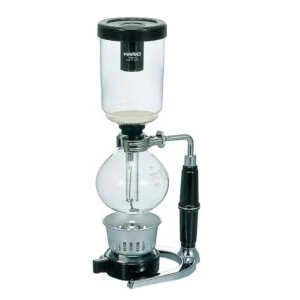
Coffee siphon: how it works and how to brew with it
How a coffee siphon works, how to brew with it step by step and what
Oct
