Filter coffee has been growing fast in the specialty world for the past few years. Pour-over, Chemex, AeroPress and batch brewers pull far more aroma out of the beans and reveal flavours that often stay hidden in a classic espresso.
At the same time, not every coffee tastes good as a filter brew. Roast level, flavour profile, processing and the character of the beans themselves all matter a great deal. The right coffee for filter brewing can be remarkably clean, sweet and aromatic.
Which roast level works best for filter coffee?
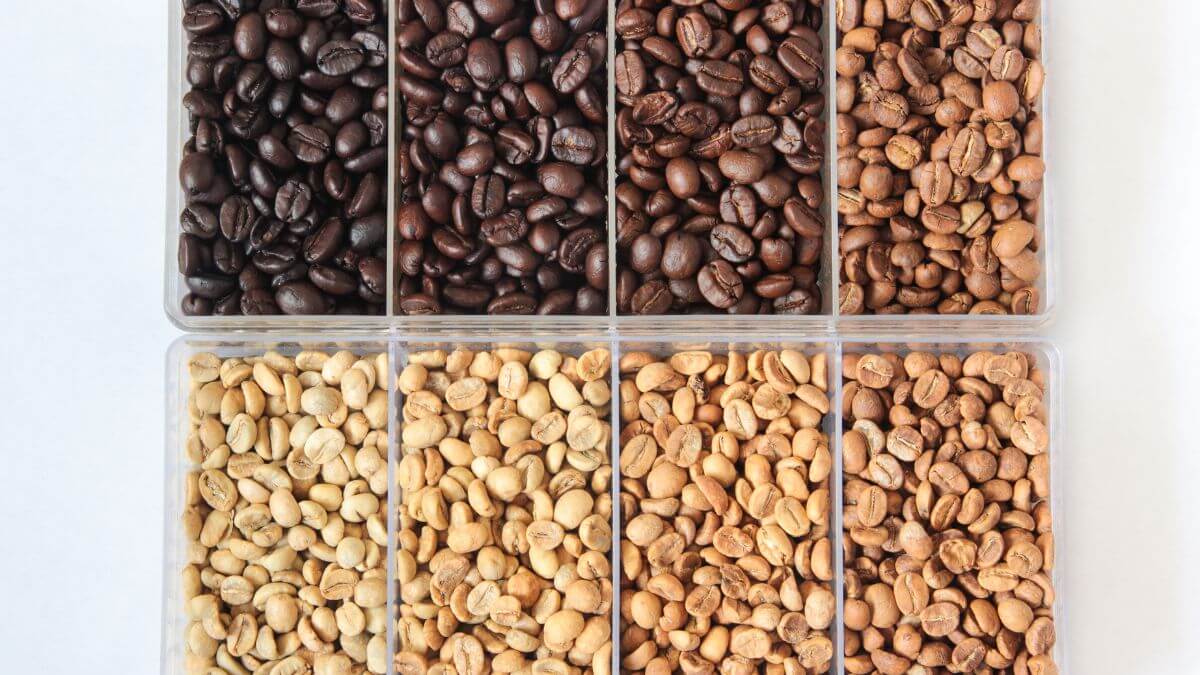
For pour-over and other filter methods, most people reach for light roasts or light-medium roasts. That kind of roast profile shows off the beans’ natural tasting notes better, along with more complexity and a juicier character.
Unlike espresso, filter brewing handles lighter, fruitier coffees better, which lets you pick out more citrus, tea-like, floral or fruity notes.
A roast that’s too dark tends to taste heavy, bitter and flat as a filter brew. That’s why in the specialty world most beans meant for pour-over are roasted noticeably lighter than a classic espresso.
Which tasting notes work best in filter coffee?
Filter brewing shows off a coffee’s clarity and aroma extremely well, which is why fruitier, tea-like and lighter profiles work so well here.
Notes to look for in filter coffee:
- citrus,
- stone fruit,
- berries,
- tea,
- florals,
- honey,
- caramel,
- milk chocolate.
That’s why so many specialty coffees made for pour-over have a more modern, noticeably more aromatic profile than a classic espresso blend.
Which processing method works best for filter coffee?
Washed, natural and honey processed coffees all work well for filter brewing. Each processing method gives a slightly different result in the cup.
Washed coffees tend to be cleaner, clearer and more tea-like. Natural gives more fruitiness, sweetness and a heavier body. Honey processing usually sits somewhere between the two, balancing clarity with extra sweetness.
Filter methods are exactly where the differences between processing and individual beans show up most clearly.
Roast level
Light or light-medium
Best profile
Fruit, tea, caramel, florals
Acidity
Medium or higher
Which coffee to avoid for filter brewing
Very dark roasted espresso beans generally aren’t a good match for filter methods. In a pour-over they tend to give a heavy, bitter, low-aroma cup.
Very low-acidity coffees with a plain, classic profile can also taste fairly flat as a filter brew. Filter methods show off complex, aromatic coffees at their best.
Look for beans labelled as:
- pour-over
- filter
- drip
- light roast
- omni roast
Colbergcoffee’s picks for filter brewing
From our own range, the lighter roasted, more aromatic coffees that clearly show the character of their region and processing work best for filter brewing.
Brazil Yellow Bourbon Fazenda Rainha: a great starting point if you’re new to filter brewing. A light roast specialty coffee from the Minas Gerais region, with notes of chocolate, orange and orange peel. It combines Brazil’s classic sweetness with a more modern fruitiness.
Rwanda Sake Farm: a good example of how modern African specialty coffees taste as a filter brew, with more juiciness, delicate fruitiness and a very clean profile.
Kenya Karimikui: a great choice if you like a bolder, fruitier filter cup. Kenyan coffees often stand out for higher acidity, a tea-like character and a very intense aroma.
| For V60 pour-over | Kenya Karimikui, Ethiopia, Rwanda Sake Farm |
| For Chemex | Brazil Yellow Bourbon Fazenda Rainha, Ethiopia |
| For AeroPress | Rwanda Sake Farm, Kenya Karimikui |
| For beginners | Brazil Yellow Bourbon Fazenda Rainha |
Does coffee freshness matter for filter brewing?
Coffee freshness matters a great deal for filter methods, because pour-over shows off the aroma and clarity of the beans so clearly.
Coffee that’s too old quickly loses its fruitiness and aroma, while coffee that’s too fresh can brew unpredictably. The best window for filter brewing is usually from a few days to about two months after roasting.
That’s why using freshly roasted beans and storing them properly matters so much in the specialty world.
In short
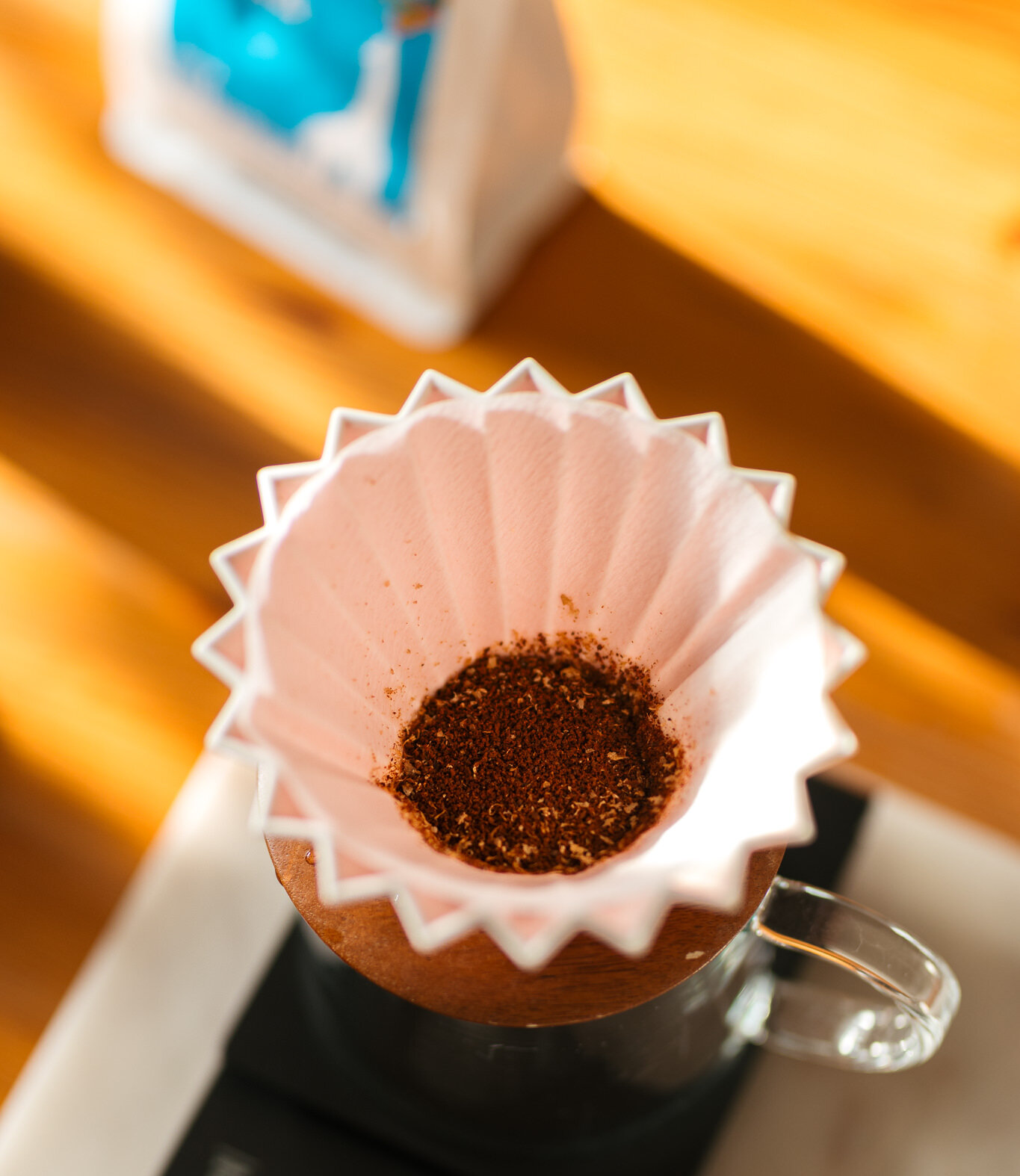
Light roasted, more aromatic coffees that clearly show the character of their region and processing work best for filter brewing. Methods such as V60, Chemex or AeroPress pull far more fruitiness, sweetness and complexity out of the beans.
The right beans can completely change how you experience coffee, and show just how wide and varied the specialty world really is.
FAQ: coffee for filter brewing
Which coffee works best for filter brewing?
Light roasted specialty coffees with a fruitier, more aromatic profile usually work best.
Can espresso coffee be used for pour-over?
It can, but a very dark roast often turns out bitter and heavy as a filter brew.
Which tasting notes come through best in filter coffee?
Usually fruit, tea, florals, caramel and chocolate.
Which processing method works best for pour-over?
Washed, natural and honey processed coffees all work well for filter brewing.
Does coffee freshness matter for filter methods?
Yes. Freshly roasted coffee gives more aroma, sweetness and clarity in the cup.
