

The moka pot has been one of the most popular ways to brew coffee at home for decades. It gives a stronger cup than filter coffee, but a gentler one than a classic espresso from a portafilter machine.
The trouble is that a moka pot reacts strongly to the wrong beans. One coffee comes out smooth, sweet and enjoyable, another turns bitter, heavy or sour. That’s why choosing the right coffee for it matters so much.
Why doesn’t every coffee suit a moka pot?
A moka pot works in a fairly particular way: high heat and pressure make the coffee give up its flavour very quickly. If the beans are too lightly roasted, a moka pot can pull out more raw, grassy notes than pleasant fruitiness.
On the other hand, very dark coffees often turn heavy, smoky and too bitter. That’s why the best beans for a moka pot are balanced, with clear sweetness and a fuller body.
It’s worth picking a coffee that tastes good both on its own and with milk.
Which flavour profiles suit a moka pot best?
A moka pot shows off a coffee’s sweetness, chocolate notes and creamy character particularly well. Classic profiles work best here, such as:
- cocoa,
- nuts,
- caramel,
- almond,
- honey,
- dark chocolate,
- dried fruit.
That’s why so many people reach for coffee from Brazil, Peru or India for their moka pot. These beans build a full flavour well and stay balanced even at the higher brewing temperature.
Best roast
Medium or medium-dark
Best notes
Cocoa, caramel, nuts
Ideal character
Full body and low acidity
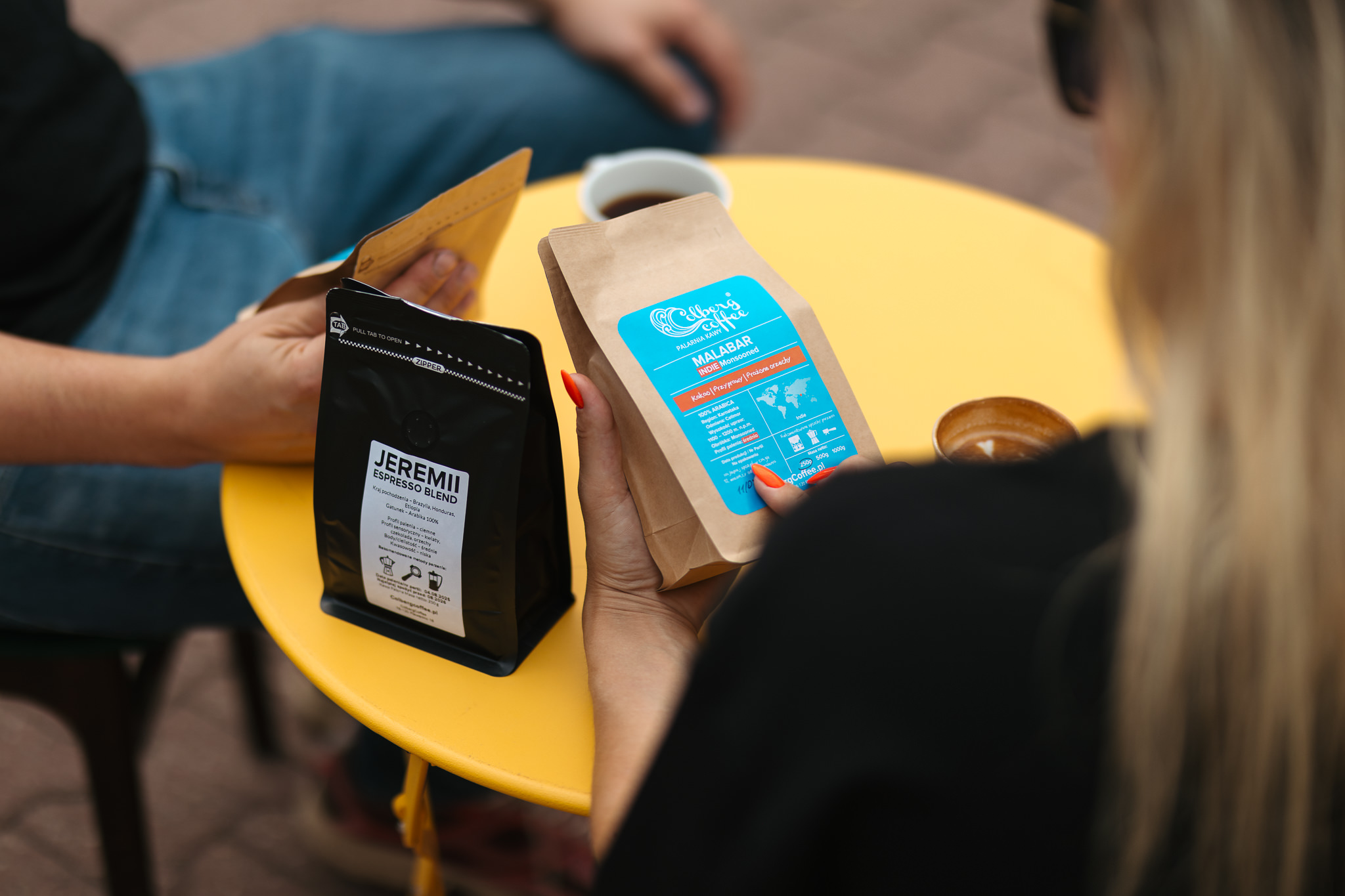
Colbergcoffee’s picks for moka pot
Coffees with more sweetness, a medium to heavy body and calmer acidity work best in a moka pot. It brings out chocolate, caramel and nutty notes particularly well, so the right beans give a genuinely dense, enjoyable cup.
El Salvador Finca La Reforma: a very balanced coffee. In the cup you get density, ripe, sweet acidity and a pronounced creaminess. A great alternative to a classic Brazilian coffee, still chocolatey but more aromatic and refined. In a moka pot it gives a really pleasant, dessert-like profile.
Jeremii Blend: a more classic direction for a moka pot. This blend of Brazilian, Honduran and Ethiopian beans gives low acidity, a medium body and a profile built on florals, chocolate and nuts. The darker roast suits a more intense brew well, and it also works nicely with milk.
Mexico El Jaguar: a good choice if you like calmer, sweeter profiles. In a moka pot it shows caramel sweetness, a softer body and a gentler character, which makes it a great everyday coffee.
Cameroon Boyo: a more interesting option if you want extra depth and intensity. The medium roast and bolder character keep it full, sweet and well structured in a moka pot, without tipping into excess bitterness.
| Classic strong coffee | India Malabar, Brazil Santos Guaxupé |
| With milk | Brazil Santos Guaxupé, Peru Chanchamayo |
| For low-acidity drinkers | India Malabar |
| For a more modern flavour | Uganda Bulambuli |
How does grind size affect moka pot coffee?
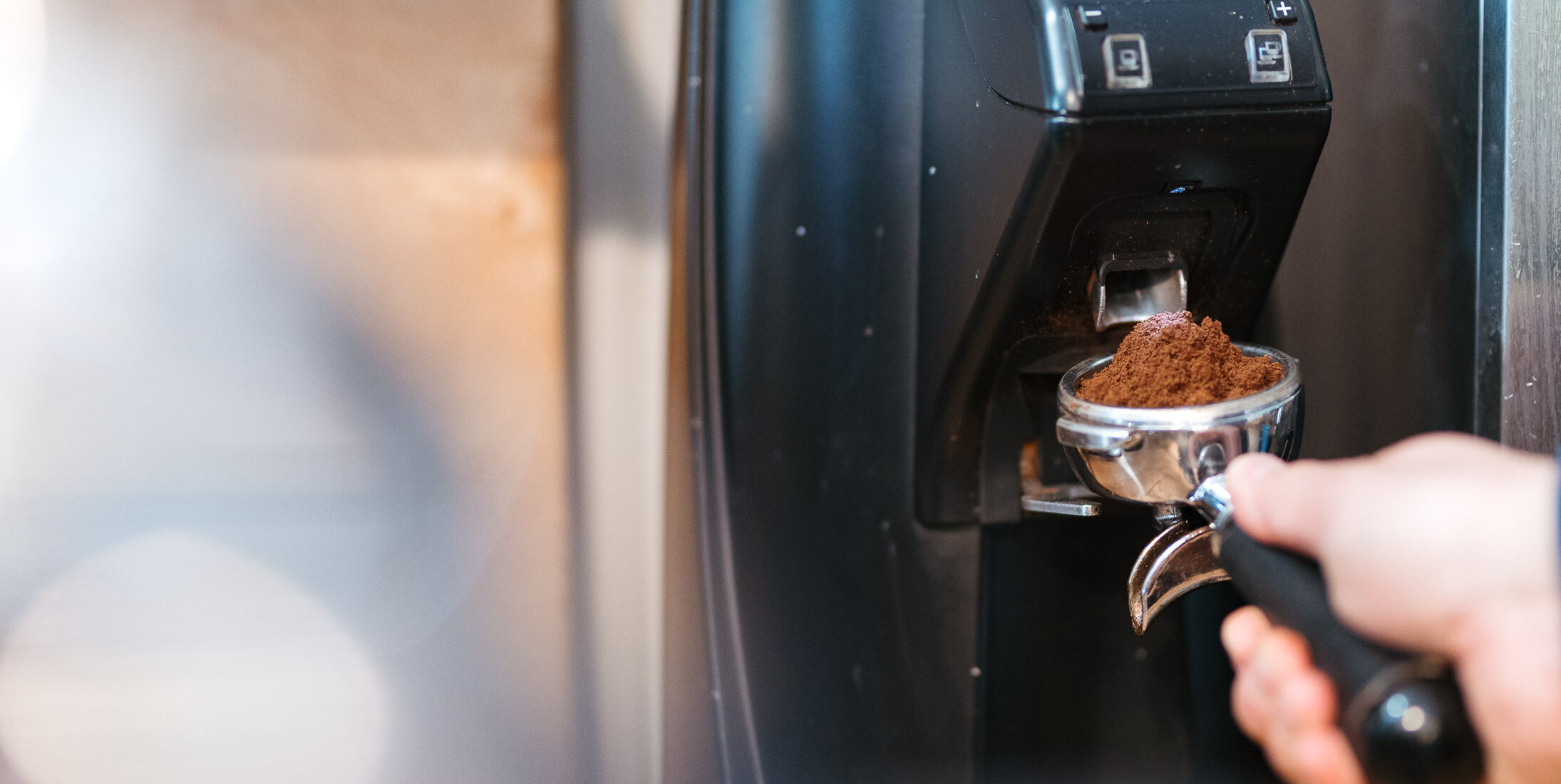
Grind size matters enormously in a moka pot. Too fine and the coffee can over-extract, turn bitter and block the flow. Too coarse and the cup comes out thin and watery.
The sweet spot sits between espresso and filter grind: a bit finer than for pour-over, but noticeably coarser than for a classic espresso.
Getting the grind right can change the flavour more than switching beans altogether.
In short
A good moka pot coffee should be sweet, balanced and have a fuller body. Medium roasts with a chocolatey, nutty character usually work best.
A moka pot shows off classic flavour profiles really well and can make a genuinely great coffee, as long as you pick the right beans 🙂
FAQ: coffee for a moka pot
Which coffee works best in a moka pot?
Medium roasts with a fuller body and a chocolatey, nutty or caramel profile work best in a moka pot.
How should you grind coffee for a moka pot?
Finer than for a pour-over, but coarser than for espresso. Too fine a grind can make the coffee taste bitter.
Why does moka pot coffee turn out bitter?
Usually because the grind is too fine, the heat is too high, the beans are too dark, or the pot is left on the heat too long.
Is arabica or a blend better for a moka pot?
Both work well. Arabica gives a more delicate, aromatic cup, while a blend is more intense and pairs better with milk.
