A bean-to-cup machine is convenient, quick and easy to live with, but no machine makes good coffee out of the wrong beans. Roast level, freshness, flavour profile and how the coffee behaves with milk all count for a lot here.
If the coffee coming out of your machine is sour, bitter, watery or just flat, the machine is usually not the problem. The beans are. So it is worth knowing which coffee suits a bean-to-cup machine.
Which roast level should you choose for a bean-to-cup machine?
Medium and medium-dark roasts work best in a bean-to-cup machine. That profile gives you more sweetness, fuller body and less acidity, which makes for a nicer cup day to day.
Light roast specialty coffees can be superb in a pour-over or an AeroPress, but in a bean-to-cup they often come out sour, sharp or thin. The machine gives you limited control over extraction, so the coffee has to be more forgiving.
Arabica or a blend with robusta: which is better in a bean-to-cup?
Both work. It depends on the coffee you are after.
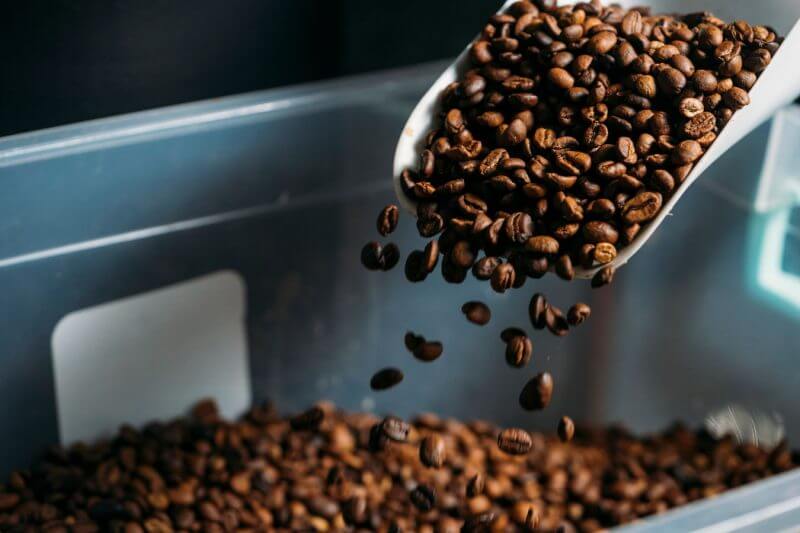
100% arabica is milder, more aromatic and often sweeter. It suits people who drink their coffee black or who like a more elegant profile.
Blends with robusta give you more punch, heavier body and thicker crema. A good choice if you like intense espresso, milk drinks and a classic Italian character.
Which tasting notes work best in a bean-to-cup machine?
Chocolate, nuts, caramel and gentle fruit are the profiles that come through best. They work with black coffee and with milk.
A coffee with very high acidity and a strongly fruity profile will rarely show its best side here. Instead of juiciness you get sourness, and instead of complexity an uneven cup.
So look for beans described as chocolate, nuts, caramel, almond, cocoa, low acidity, full body.
| Roast level | Medium or medium-dark |
| Best profile | Chocolate, nuts, caramel, gentle fruit |
| Acidity | Low to medium |
Which coffee should you avoid in a bean-to-cup machine?
Steer clear of very light filter roasts, especially high acidity ones with a strongly fruity profile. That coffee can be excellent in a pour-over and too sour in a bean-to-cup.
Be careful with very dark roasts of poor quality too. They bring heavy bitterness and an ashy taste, and they dirty the machine faster. Supermarket coffee is the usual suspect here, where a dark roast is there to cover up defects in the beans.
Look for coffee described as suitable for espresso, bean-to-cup machines, moka pots or milk drinks, ideally from a roastery you trust.
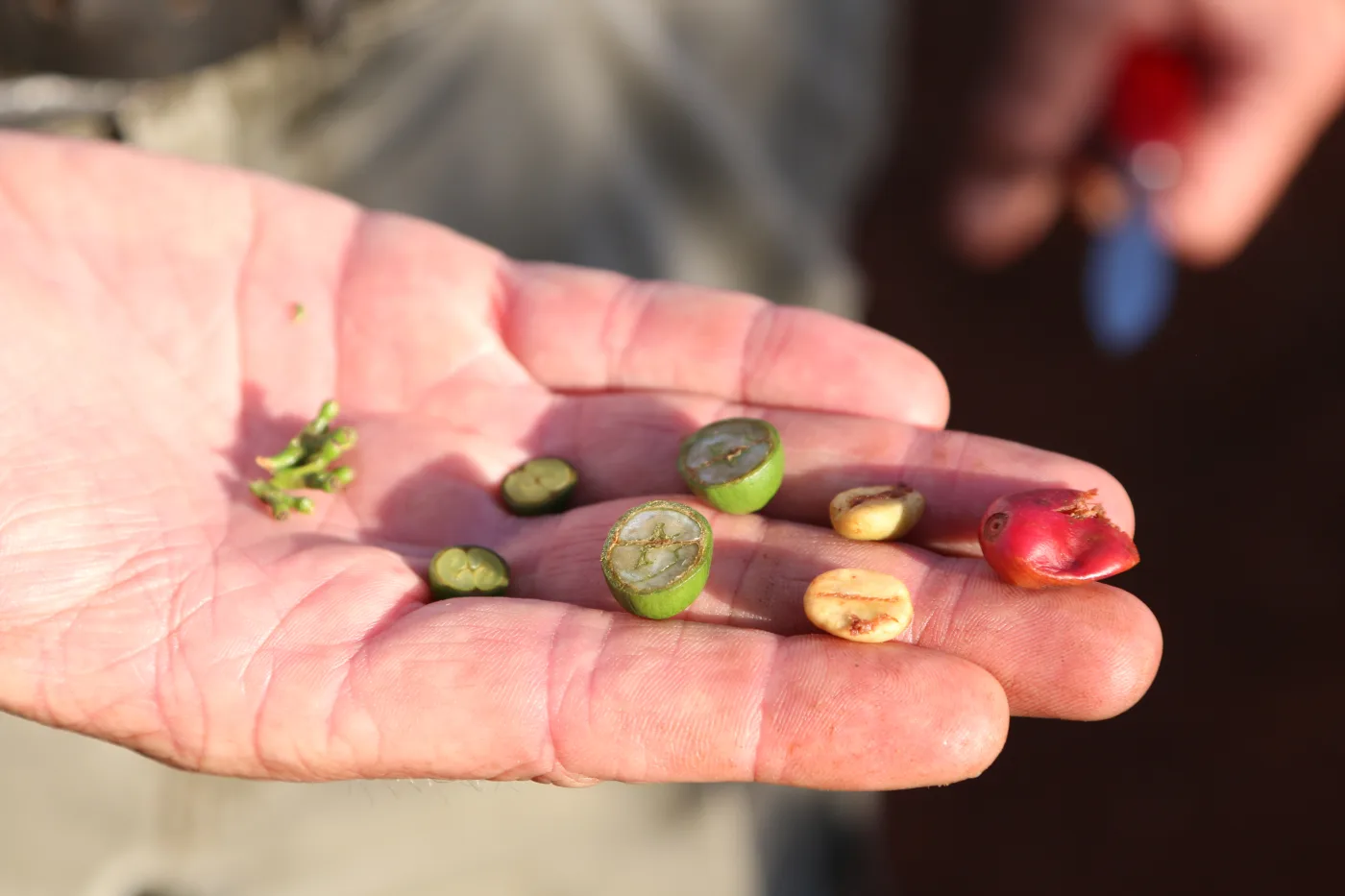
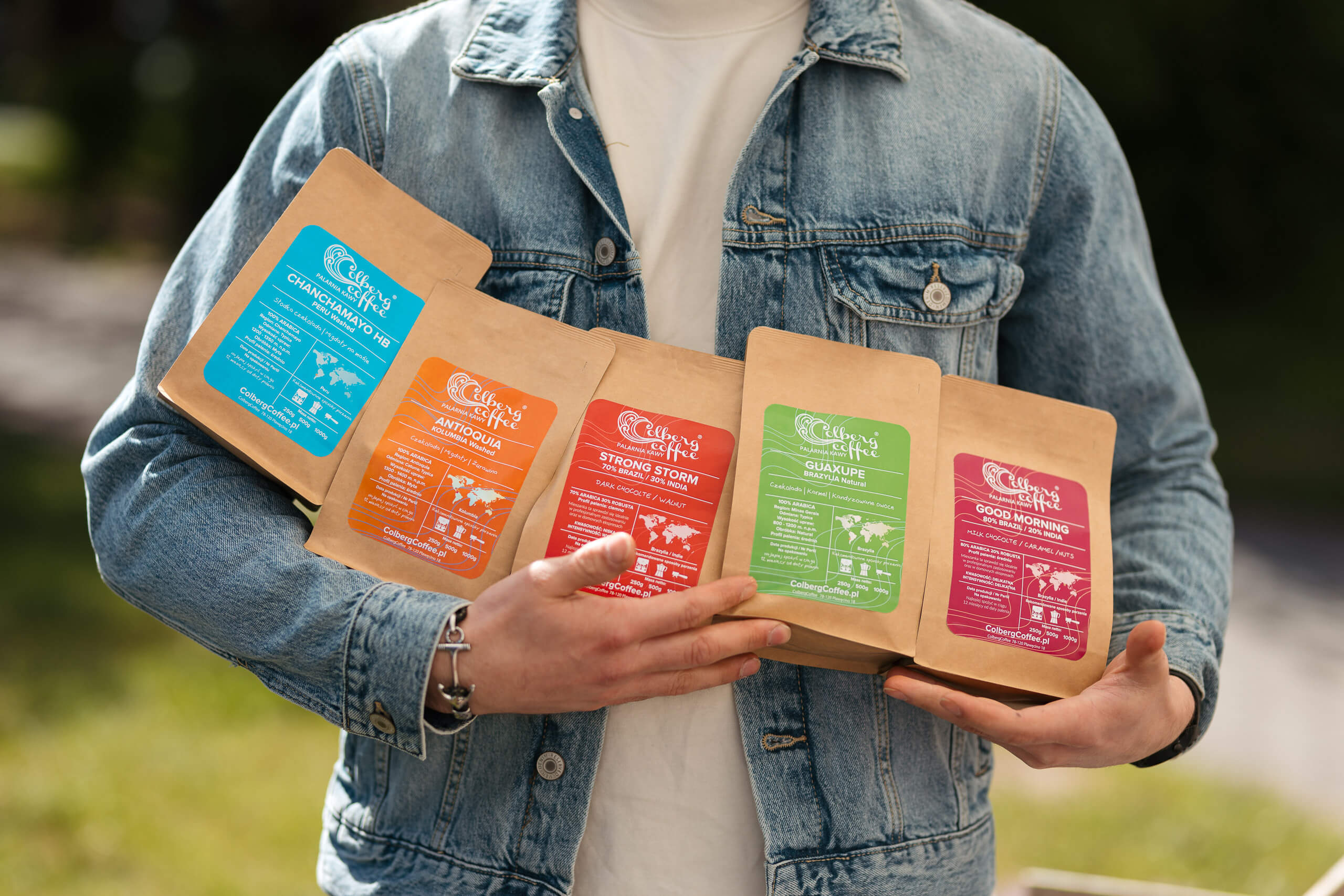
Colbergcoffee beans we recommend for bean-to-cup machines
From our range, go for lower acidity, fuller body and a chocolate and nut profile.
Brazil Santos Guaxupe is a very good choice if you like a classic, mellow profile. It is 100% arabica from the Cerrado region of Minas Gerais, with sweet fruit, dark chocolate and peanut. It holds up black and as a base for milk.
Peru Chanchamayo is calmer and sweeter, with sweet chocolate and butter-roasted almonds. The washed process keeps it clean, but it stays easy to drink every day. A good pick if you want mild without dull.
India Malabar suits anyone after very low acidity, heavier body and a more classic character. A good direction for espresso, milk drinks and stronger drinks out of a bean-to-cup.
Uganda Bulambuli is the interesting option for people who want a touch of fruit while staying in a medium roast with decent body. Apricot, black tea and honey make for a more elegant cup that still works in the machine.
Have a look at the other coffees in our range that suit bean-to-cup machines.
| For black coffee | Peru Chanchamayo, Brazil Santos Guaxupe, Uganda Bulambuli |
| For cappuccino and latte | Brazil Santos Guaxupe, India Malabar |
| If you avoid acidity | India Malabar, Brazil Santos Guaxupe |
| For a more interesting profile | Uganda Bulambuli, Peru Chanchamayo |
Does coffee for a bean-to-cup machine have to be as fresh as possible?
Yes, but that does not mean using it the day after roasting. Coffee for a bean-to-cup tastes best after a short rest, once the beans have finished degassing in earnest.
Coffee that is too fresh gives you unstable extraction, too much foam and an uneven taste. Coffee that is too old is flat, dry and short on aroma.
Buy freshly roasted, use it a few days after the roast date and keep it in a sealed bag.
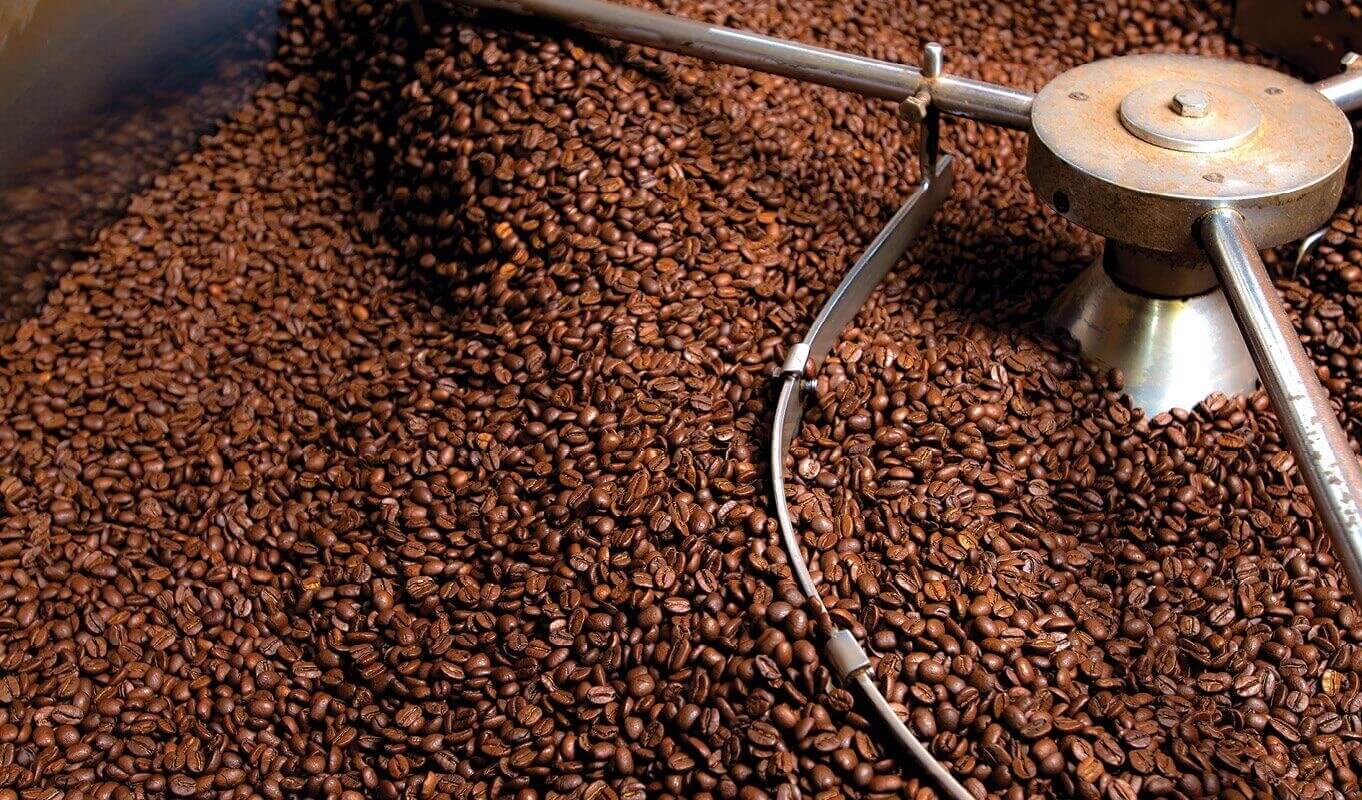
Coffee for a bean-to-cup machine, in short
Pick a medium roast with low to medium acidity and a chocolate, nut, caramel or gently fruity profile.
If you drink milk drinks, go for fuller body and more sweetness. If you drink your coffee black, you can reach for something cleaner and slightly fruity, still without going to a very light roast.
The right beans can change how you feel about your bean-to-cup machine completely, often more than changing the machine itself.
FAQ: coffee for bean-to-cup machines
Which coffee works best in a bean-to-cup machine?
Usually a medium roast with a chocolate, nut and caramel profile.
Does a light roast suit a bean-to-cup machine?
Usually not. Light roasts often come out sour and uneven in a bean-to-cup.
Arabica or robusta in a bean-to-cup?
Arabica is more aromatic and milder, blends with robusta give more punch and more crema.
Why does coffee from my bean-to-cup taste bitter?
It can be too dark a roast, a badly set grinder or a dirty machine.
Does freshness matter in a bean-to-cup machine?
Yes. Freshly roasted coffee gives more aroma, more sweetness and better espresso.
