





Popularne wyszukiwania
Kategorie
Kawa
Kawa Speciality
Ekspresy
Akcesoria
Kubki termiczne
Delikatesy
Syropy do kawy
Herbata
Do kawiarki
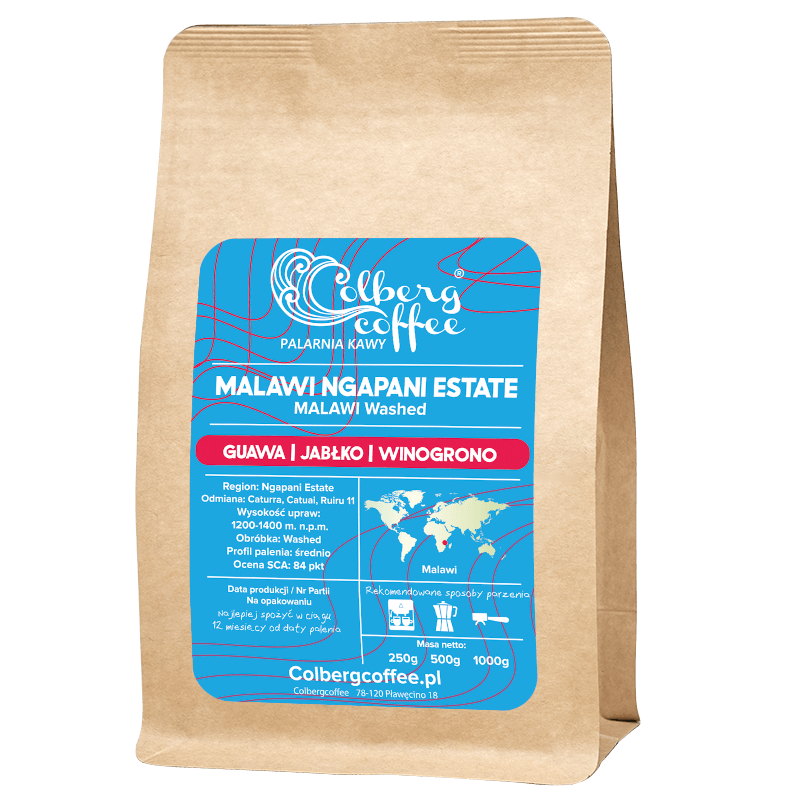



Roast date: we roast at least twice a week.
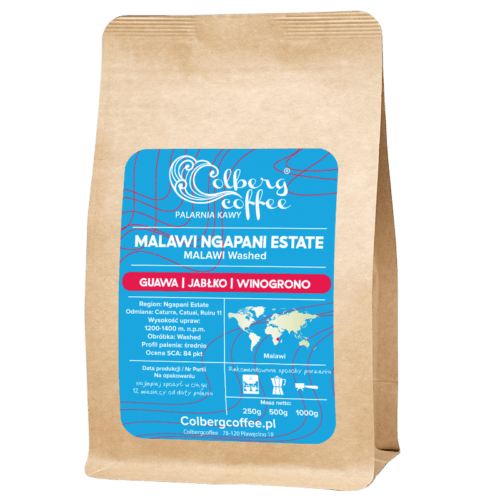
Malawi Ngapani Estate Espresso is a specialty coffee from Malawi, roasted for espresso. It comes from Ngapani Estate, one of the last large coffee estates in Malawi. In the cup it shows a juicy, fruity and crisp profile with a clear note of guava, a touch of grape and a bergamot finish. It has a pleasantly oily texture, medium body and a long, slightly tart aftertaste.
Malawi is a less obvious but very interesting destination on Africa’s coffee map. Malawi Ngapani Estate comes from an estate close to the border with Mozambique. It is one of the two estates that make up a group associated with the Nsondole Sleeping Giant brand.
The name Sleeping Giant refers to the mountain that towers over one of the estates. It is a fitting reference to the local landscape and the place this coffee comes from. Ngapani Estate is quite isolated, which has helped it keep its character over the years, and it remains an important coffee-growing site in Malawi.
As espresso, Malawi Ngapani Estate shows a very fruity, fresh and crisp character. Guava comes through most strongly: juicy, tropical and clearly defined. In the background there is a note reminiscent of grape, and the finish moves gently towards bergamot.
It is a lively, fruity coffee, but not flat or too light. Its pleasantly oily texture makes the espresso fuller and more balanced. The aftertaste is long, fresh and slightly tart, leaving a fruity, citrusy impression on the palate.
Key tasting notes:
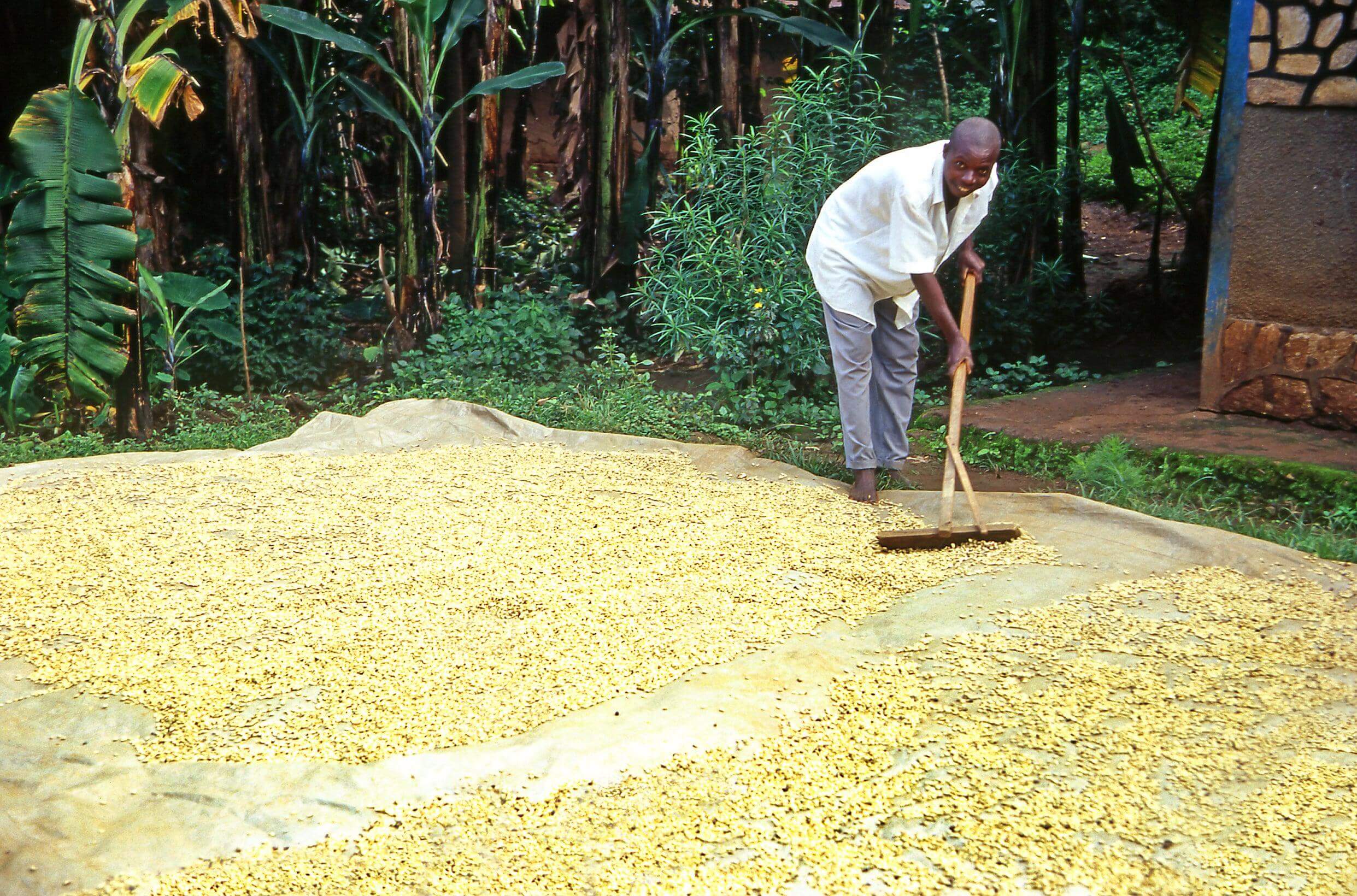
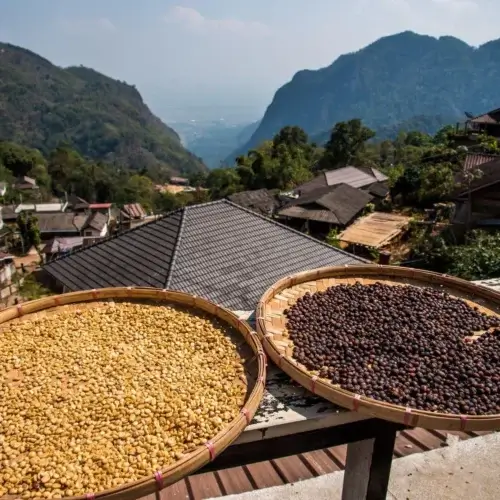
The coffee is washed processed. This method highlights a clean, clear and fresh profile. As a result, the fruity notes come through more distinctly and the cup is orderly and elegant.
In Malawi Ngapani Estate, washed processing supports its crisp character. The coffee does not head towards heavy fermented notes, but towards clean fruit, light acidity and a fresh finish.
As espresso, Malawi Ngapani Estate has medium body and a pleasantly oily texture. It is not a heavy, chocolatey, low-acidity coffee. Its strengths are fruit, freshness and juiciness.
The oily texture means, however, that the coffee is neither empty nor too thin. It feels pleasant in the mouth, and the long aftertaste keeps the flavour going for a while after you finish the espresso.
This coffee is a mix of several botanical varieties that build its complex character. They are:
This combination of varieties gives a coffee with an interesting structure, fruity freshness and a distinctive, lightly citrusy finish. The presence of SL 28 in particular may bring to mind the fruitier, livelier profile known from African coffees.
The coffee comes from Ngapani Estate in Malawi, at 1,200-1,400 m a.s.l. These conditions help develop a fruity profile, pleasant acidity and natural sweetness.
Ngapani Estate is a coffee with a specific origin and history. It is not an anonymous blend from many regions, but a bean linked to a particular estate and producer group.
Malawi Ngapani Estate is Rainforest Alliance certified. This means the coffee comes from farms run according to standards for responsible production, environmental protection and better agricultural practice.
Keep in mind that Rainforest Alliance is not the same as organic (BIO) certification. It is a separate standard focused on sustainable production and a responsible approach to coffee farming.
This coffee is roasted for espresso, so it works best in pressure-based methods. Because of its crisp, fruity character, it is worth dialling it in to bring out sweetness and avoid overly sharp acidity.
It works best in:
On an espresso machine, aim for a slightly finer grind and keep a close eye on extraction. Brewed well, it shows guava, grape and a bergamot finish without excessive sharpness.
Malawi Ngapani Estate Espresso is a great choice for people who like fruity, crisp, fresh coffees. It is a good option for anyone who wants to try an espresso that is different from the classic chocolate and nut coffee.
It will suit you if you like:
Malawi Ngapani Estate Espresso is for people looking for something special that is still easy to enjoy every day. It has a clearly fruity character, a clean profile and an interesting origin story.
It comes from a country that does not appear on shop shelves as often as Brazil, Colombia or Ethiopia. That makes it a great pick for coffee explorers who want to try a crisp African espresso with a strong note of guava and a bergamot finish.
| Weight | N/A |
|---|---|
| WAGA | 1000 g, 250 g, 500 g |
| Nuty smakowe | Bergamot, Guava, Grape |
| STOPIEŃ MIELENIA | ziarnista (bez mielenia), do ekspresu kolbowego, do kawiarki, do drippera, do Chemeksa, do Aeropressu, do French Pressa |
| ARABICA/ROBUSTA | 100% Arabica |
| OBRÓBKA | Washed |
| POCHODZENIE | Malawi |
| PRZEZNACZENIE | Filter and espresso (omni roast), Espresso and moka pot |
| STOPIEŃ PALENIA ZIAREN | Medium |