




Popularne wyszukiwania
Kategorie
Kawa
Kawa Speciality
Ekspresy
Akcesoria
Kubki termiczne
Delikatesy
Syropy do kawy
Herbata
Do kawiarki
121,77 zł
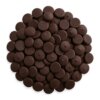
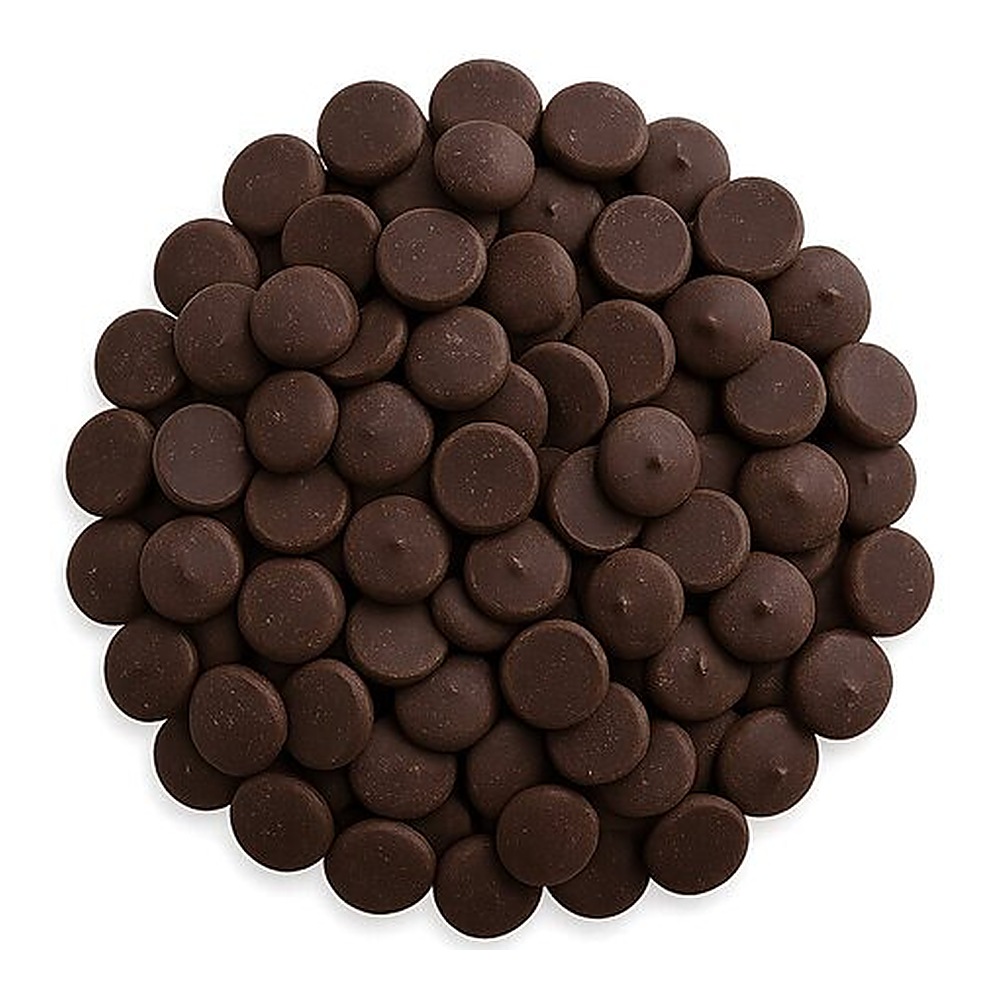
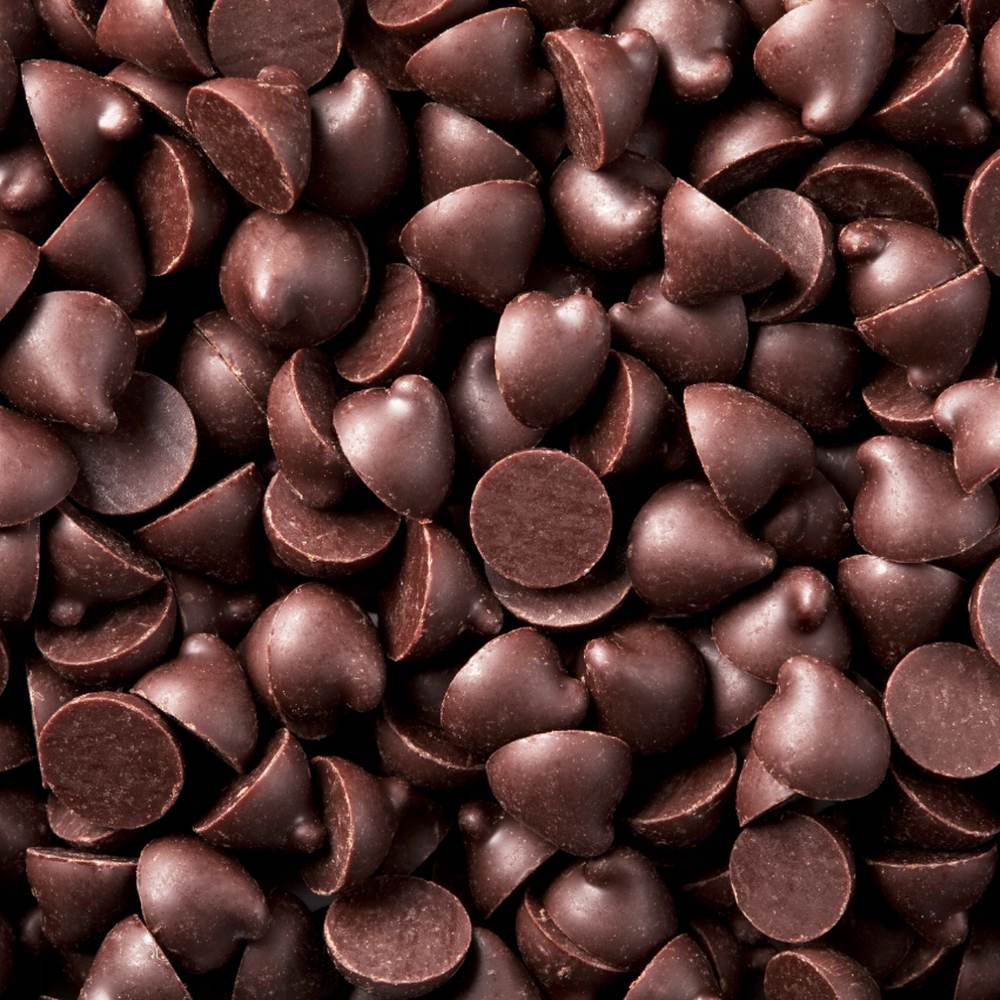
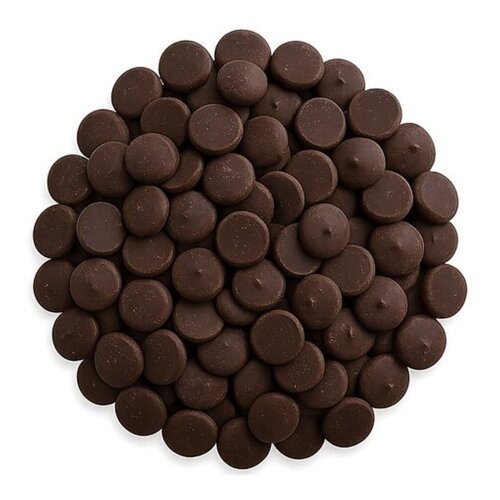
Italian dark couverture with 60% cocoa, in drops, 1 kg bag. Melts evenly with no chopping and gives a fluid, glossy chocolate for coatings, pralines, ganache and hot chocolate.
Dark couverture chocolate with 60% cocoa, in drops, in a 1 kg bag. Sixty per cent is the point where chocolate already has a full cocoa character but none of the astringency typical of very dark chocolate, so it works both in grown-up desserts and in bakes for children. The high cocoa butter content means it melts into a fluid, glossy mass, ready for coating, tempering and serving hot.
Couverture drops melt evenly because every piece is the same size, so they all melt at the same rate. A chopped bar always leaves larger chunks that need longer heating, and that is exactly when chocolate burns or starts to thicken.
Then there is the practical side of everyday work: you weigh out exactly what you need and close the bag on the rest. No dirty board or knife, and no product lost as crumbs.
Couverture has a higher cocoa butter content than ordinary eating chocolate. Cocoa butter is what makes it fluid when melted, glossy once set and gives the characteristic snap when you break a properly tempered praline. Supermarket chocolate made with vegetable fats instead of cocoa butter is thick and dull when melted, and a coating made from it does not set the same way.
The difference shows most where chocolate needs to be smooth and shiny: in coatings, dipping, pralines and chocolate fountains.
For a 200 ml cup of hot chocolate you typically use 30 to 50 g of couverture, depending on how thick you want the drink. A kilo therefore gives roughly 20 to 30 servings. This is a guide from café practice, not a manufacturer’s figure, because thickness depends on your menu and what your guests expect.
If you serve chocolate from a dispenser with a stirrer, couverture works better than instant powder because it gives thickness without thickeners. A 5 litre tank takes roughly 250 to 400 g of drops per batch, with milk making up the rest of the volume.
Chocolate cannot stand two things: high heat and water.
The safest method is a bain-marie: a bowl set over a pan of steaming water, with the bottom of the bowl not touching the water. In a microwave, melt it in short bursts of 15 to 20 seconds, stirring each time, because the temperature inside the mass rises faster than the surface suggests.
Even a drop of water falling into melted chocolate makes it seize. The bowl and spatula must be completely dry, and with a bain-marie watch out for steam condensing on the lid.
Ingredients: cocoa, sugar, cocoa butter, emulsifier (E322 sunflower lecithin), natural vanilla flavouring. Cocoa solids minimum 60%. Gluten-free.
Store in a dry place at room temperature, away from strongly scented products, because cocoa butter easily picks up other aromas. Do not keep it in the fridge: moisture causes sugar bloom, a white film on the surface of the drops.
| Type | dark couverture |
| Cocoa content | minimum 60% |
| Form | drops |
| Weight | 1000 g |
| Origin | Italy |
| Gluten | gluten-free |
| Weight | 1,05 g |
|---|