

A bitter taste is one of the most common problems in the cup. But let us be clear from the start: bitterness in itself is not a bad thing. In a well-prepared coffee it is a natural part of the flavour profile. The problem starts when it takes over and covers everything else: sweetness, aroma, balance.
To understand why coffee is bitter, you need to look at three things at once: what the beans are made of, how they were roasted and what happens during brewing.
Which compounds in coffee make it taste bitter
Coffee is an extremely complex product, with several hundred chemical compounds that affect its flavour. Bitterness comes partly from caffeine, but the breakdown products of chlorogenic acids and the compounds formed during roasting, known as melanoidins, matter even more.
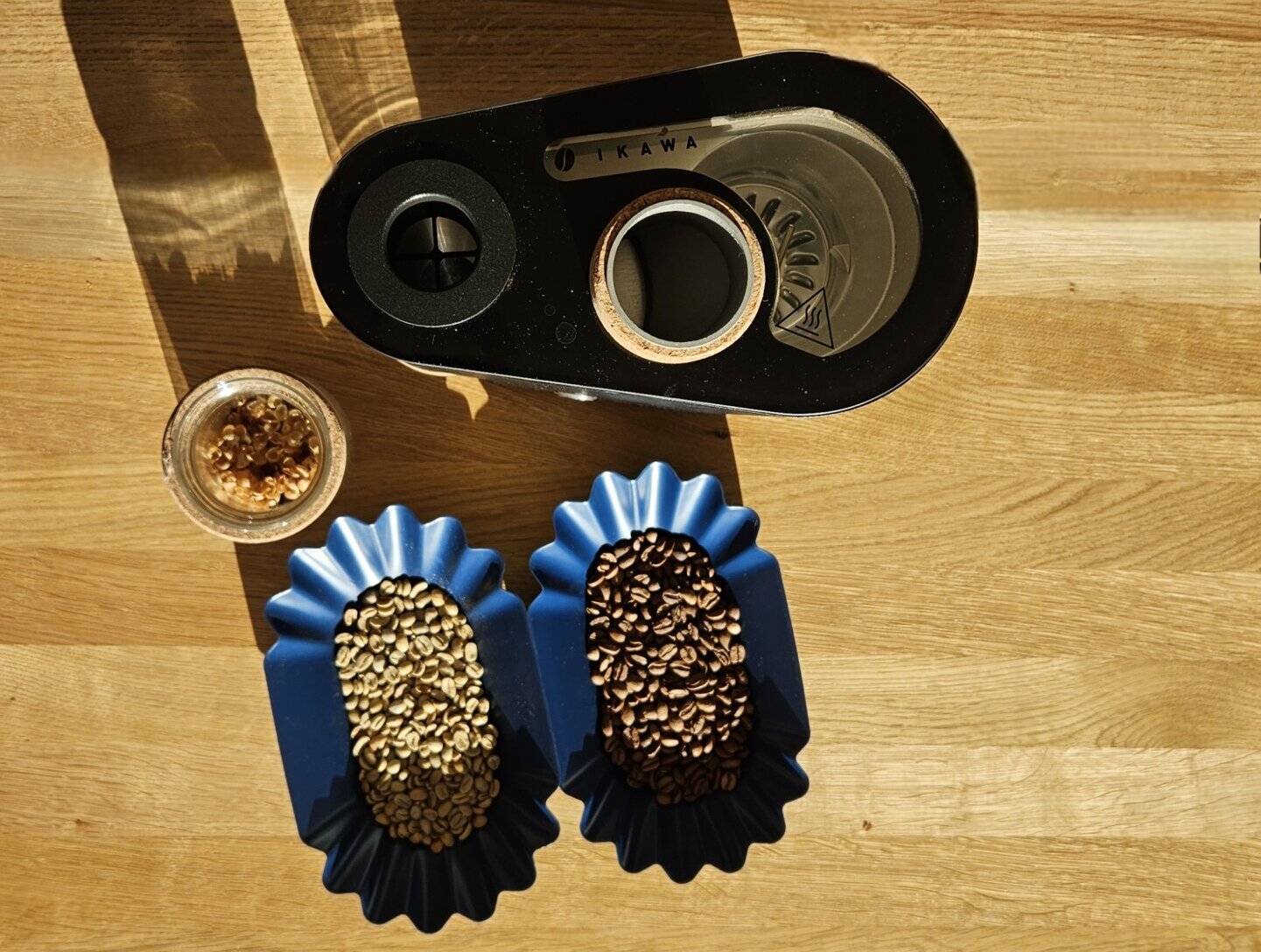
It is the roasting process that largely decides how intense the bitterness will be. As the roast goes longer, the coffee’s natural acidity gradually fades and heavier notes take its place: chocolate, cocoa, sometimes a little smoky. In darker-roasted coffees this effect is much stronger, which is why they come across as more bitter and intense.
That does not mean bitterness is a flaw. In a well-designed profile it can be pleasant and “rounded”, especially in coffees roasted for espresso.
Why coffee is bitter: the way it is brewed
Most of the time excessive bitterness does not come from the coffee itself but from the way it was brewed. The key process is extraction, meaning the dissolving of flavour compounds in water.
Extraction does not happen at random: it has an order. First the light, acidic notes appear in the cup, then sweetness, and bitterness comes last. So if the coffee is in contact with water for too long, or the extraction conditions are too aggressive, those last, heavier compounds start to dominate.
The result is a cup that has lost its balance. Instead of a complex flavour you get heaviness and overwhelming bitterness that lingers on the palate. It is a classic case of over-extraction.
Grind size and bitterness in the cup
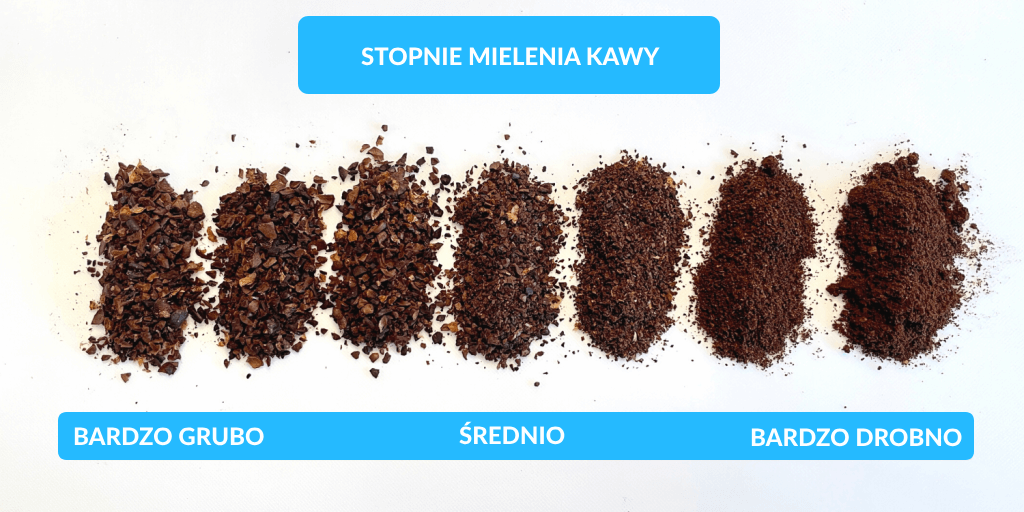
One of the most common reasons for bitter coffee is the wrong grind. Grind size directly affects how fast and how intensely extraction happens.
Coffee ground too fine puts up more resistance to the water, which lengthens contact time and lets more bitter compounds into the cup. In practice this shows up as a heavy, “choking” taste, especially noticeable in espresso or a moka pot, where the flow is naturally short and intense.
On the other hand, the right grind works like a flavour regulator. It brings out sweetness and aroma without overloading the cup. That is why one small change on the grinder so often transforms the result completely.
Temperature, brew time and bitterness
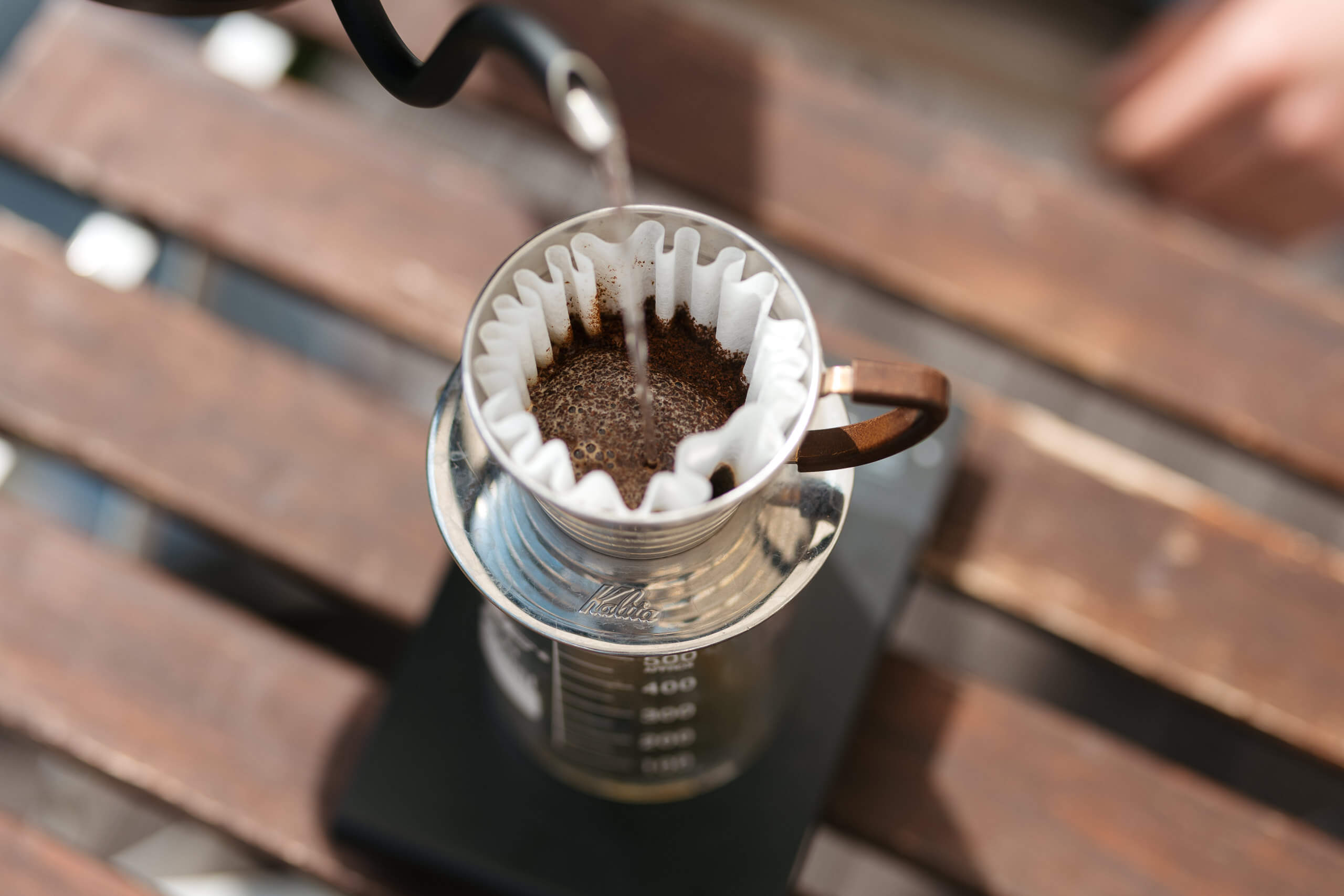
Water temperature and brew time also have a huge effect on bitterness. The higher the temperature, the faster the extraction and the easier it is to “pull” heavier, bitter compounds out of the coffee. Water close to boiling can make coffee flat and harsh.
Too long a brew time works the same way. Even well-ground coffee can turn bitter if it stays in contact with water for too long. Every brewing method has its optimal range, and going beyond it almost always costs you balance.
In practice this means that all the parameters, grind, temperature and time, are linked. Changing one of them affects the whole process and the final taste.
Does bitter coffee always mean a mistake?
Not every bitter coffee is bad. In many flavour profiles bitterness is welcome and an important part of the whole. This is especially true of coffees with notes of chocolate, cocoa or nuts, where a light bitterness builds depth and structure.
The difference lies in the quality of that bitterness. A well-brewed coffee has a clean, short bitterness that blends nicely with sweetness. Bitterness caused by mistakes is heavy and long, and often tastes like burnt food or ash.
That difference decides whether a coffee is enjoyable or tiring to drink.
Where bitter coffee comes from
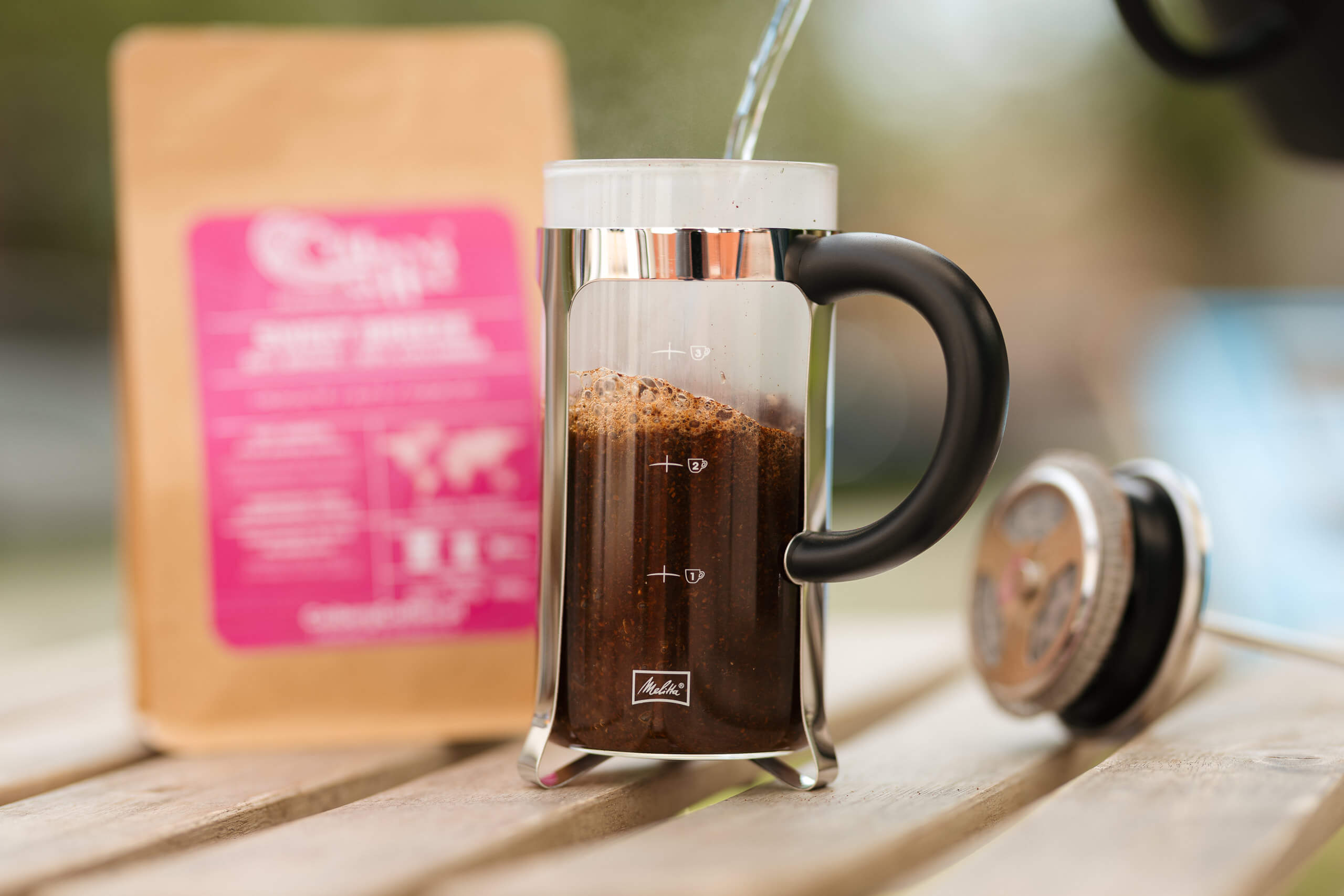
Bitterness in coffee comes both from its natural composition and from the way it is prepared. It can be a valuable part of the flavour, but it is very easy to overdo through brewing mistakes.
The key is controlling extraction: the right grind, the right temperature and a well-chosen brew time. These are what keep the cup balanced, so the coffee is pleasant and full of flavour instead of overwhelming.
FAQ: why is coffee bitter?
Why is coffee bitter?
Bitterness in coffee comes from its natural compounds and from the way it is brewed. Most often it is caused by too long an extraction, too fine a grind or water that is too hot.
Does bitter coffee always mean a mistake?
No. In many coffees bitterness is natural and welcome, especially in chocolatey and nutty profiles. The problem is only excessive, heavy bitterness.
Why does my espresso come out too bitter?
Most often because the grind is too fine or the extraction time is too long. The water then has too much time to pull bitter compounds out of the coffee.
How does temperature affect the bitterness of coffee?
Water that is too hot speeds up extraction and pulls out more bitter compounds, so the coffee becomes heavy and less balanced.
What should I do if my coffee tastes burnt?
Most often it means over-extraction or a very dark roast. Try a coarser grind, a shorter brew time or a coffee with a lighter roast profile.
