

The term “omni roast” keeps coming up more often in specialty coffee. Some see it as a convenient solution, others as a compromise. If you’ve ever wondered whether one coffee can genuinely taste good both as an espresso and as a filter brew, this post explains what omni roast actually means and how roasters approach it in practice.
What is omni roast, and where did the term come from?
Omni roast is a roasting style where a single batch of beans is meant to work universally, suiting different brewing methods: espresso as well as filter methods like drip, Chemex or French press.
The term itself emerged as specialty coffee developed and consumers grew more discerning. The old split used to be simple: coffee for espresso was roasted darker, coffee for filter lighter. As the trend towards lighter roasts grew, along with a sharper focus on the quality of the raw bean, roasters started looking for a compromise that would let one coffee work across methods.
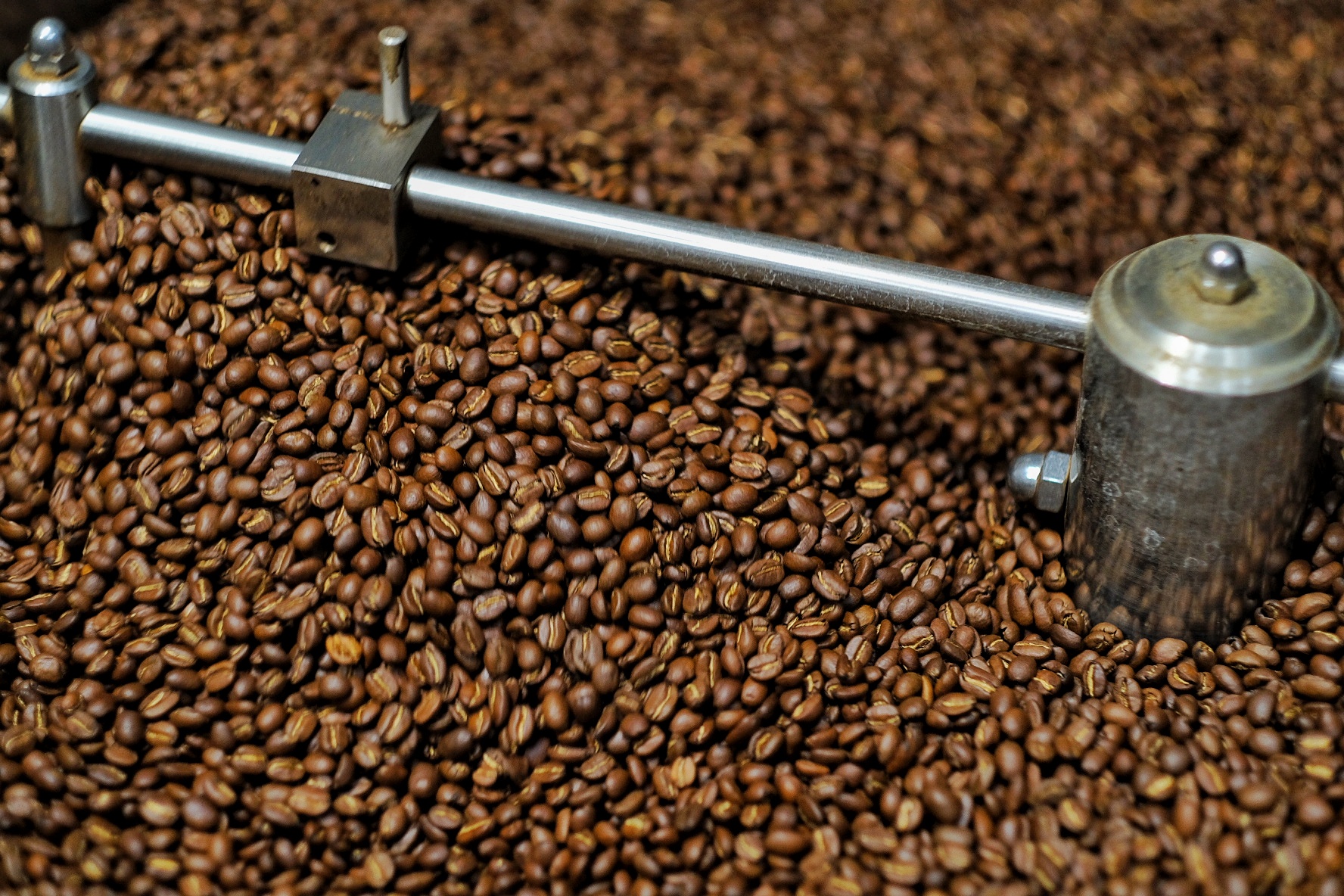
What an omni roast profile looks like in practice
Omni roast usually sits between a classic espresso profile and a filter profile. It’s not as light as a typical filter roast, but not as developed and dark as a traditional espresso roast either.
In practice, that means the roaster is aiming for balance. The bean needs to be developed enough to work well under pressure and give the right body in espresso, while staying light enough not to lose its complexity and clarity in a filter brew.
This approach demands tight control over the roast profile, since the margin for error is smaller than with a roast built for just one method.
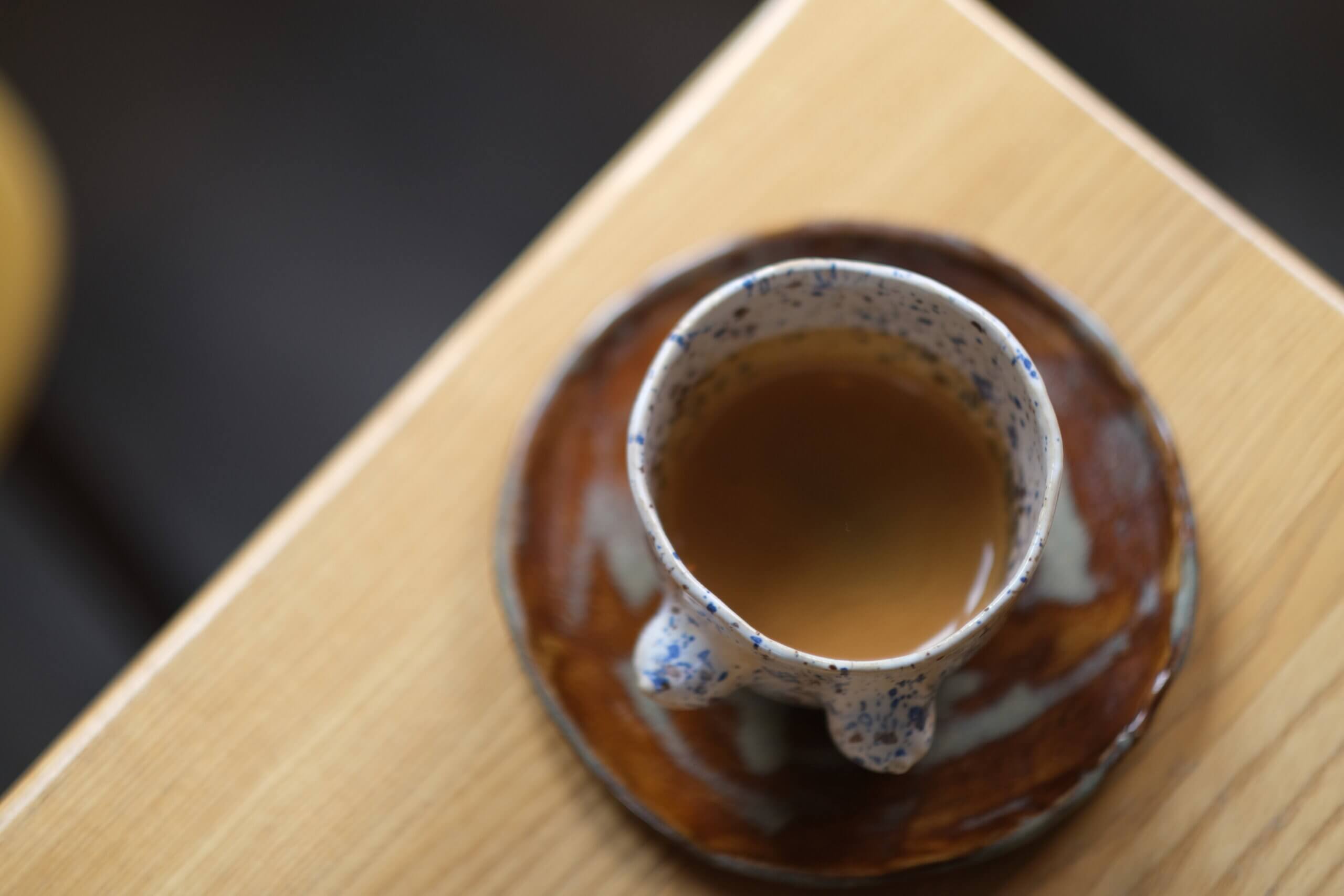
Does omni roast really work for every method?
In theory, yes; that’s the whole idea behind it. In practice, though, it’s worth being realistic about it.
Omni roast gives good results across several methods, but it will rarely be absolutely perfect in every one of them. A coffee roasted strictly for espresso can perform better under pressure, and a coffee roasted specifically for filter will often show more nuance in a dripper.
Omni roast is a deliberate compromise, then. Instead of maximising one trait, it goes for versatility and convenience.
Why roasters use omni roast
From a roaster’s point of view, omni roast has some real advantages. Above all, it simplifies the range. A single coffee can be recommended for espresso machines and for alternative brewing methods alike, which is convenient for customers.
It also answers a real need in the market. More and more people have more than one brewing method at home and don’t want to buy several different coffees.
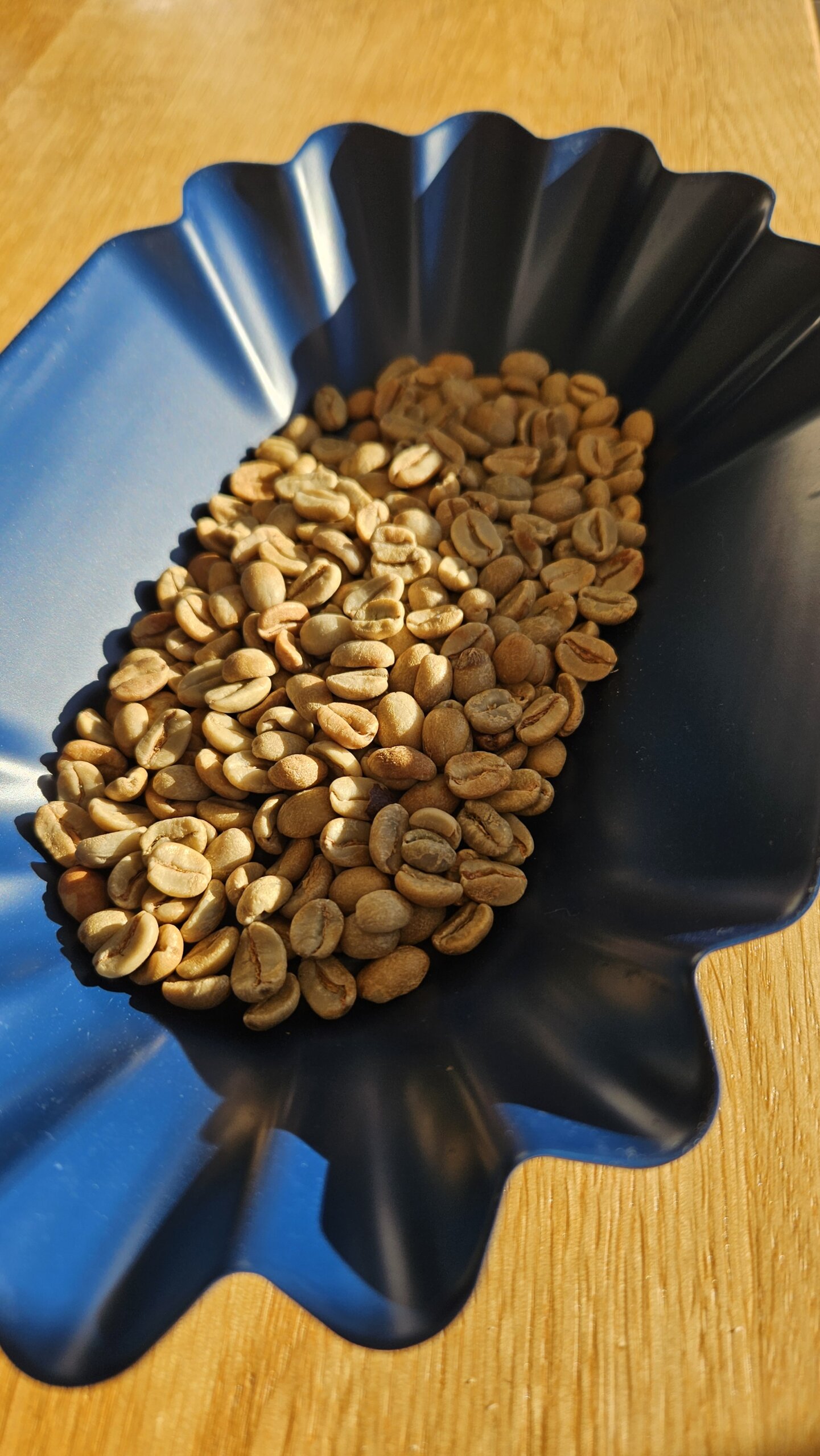
For specialty roasters, it’s also a way to showcase the quality of the raw bean. A well-roasted omni roast can hold its own across brewing methods, provided the coffee itself is genuinely high quality.
Omni roast and specialty coffee: how to think about it
Within specialty coffee, omni roast isn’t treated as a “better” or “worse” roasting style. It’s simply one approach to working with the bean.
What matters most is understanding that a roast should always support the character of the coffee. Omni roast works very well in some cases, while a profile built for a single method works better in others.
That’s why thoughtful roasters often offer both: omni roast coffees alongside ones roasted specifically for espresso or for filter.
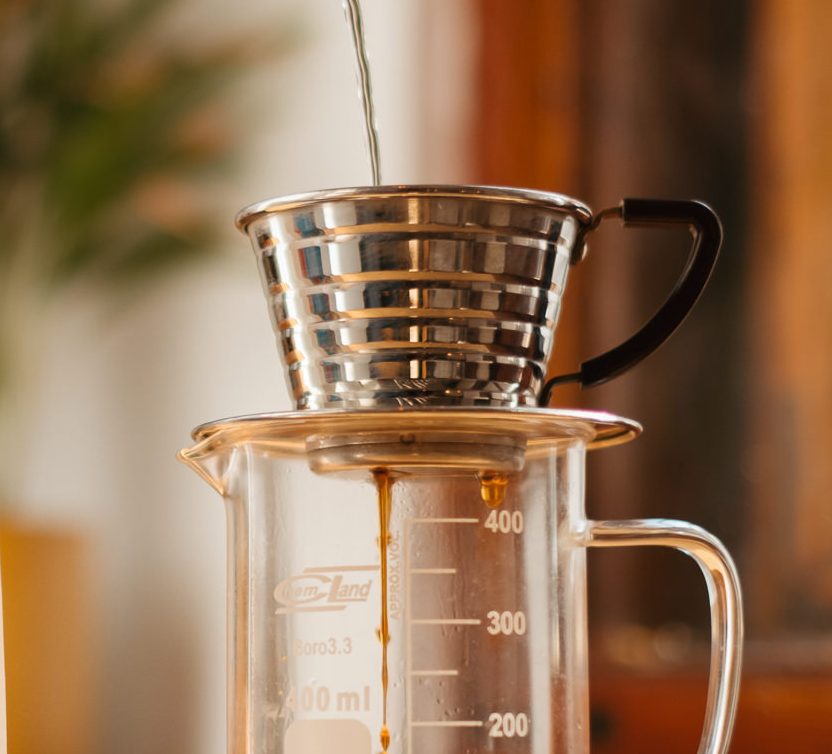
Versatility over extremes
Omni roast is an approach built around flexibility: one coffee, several uses, fewer constraints for whoever’s brewing it.
It’s a good option if you want convenience and quality at the same time. But if you’re after getting the absolute most out of one specific brewing method, a dedicated roast profile still has the edge.
FAQ
What does omni roast mean?
Omni roast is a roasting style meant to be universal, working well for both espresso and filter methods.
Does omni roast suit every brewing method?
Yes, but it’s a compromise. It performs well across several methods, though it’s rarely perfect in every one of them.
How is omni roast different from an espresso roast?
Espresso roasts are usually more developed and give more body. Omni roast is more balanced and lighter.
Is omni roast the standard in specialty coffee?
It’s not the standard, but it is a popular approach. Many roasters offer both omni roast and profiles built for specific methods.
Is omni roast worth buying for home use?
Yes, if you use more than one brewing method and want a single versatile coffee instead of buying several different bags.
