










The same green coffee can taste like fruity tea when lightly roasted, chocolate and caramel at a medium roast, or bitter cocoa and smoke when dark roasted. Coffee roast profiles have a major impact on flavour. That’s why it’s worth understanding what “light roast”, “medium roast” and “dark roast” actually mean when you see them on a coffee bag.
I’ve been roasting coffee at our roastery near Kołobrzeg since 2018, so I know the process from behind the roasting machine. Below, I’ll explain how coffee roasting works, how roast levels differ, how roasting affects caffeine and which roast is best for your brewing method.
Coffee roast profiles vs roast levels
Roast level and roast profile are two different things. Roast level describes how far the beans have been roasted by the end of the process. It can be light, medium or dark. Roast profile describes the entire roasting process, including temperature changes, the duration of each stage and when the roast ends.
Two coffees with the same bean colour can taste completely different. It all depends on how they were roasted. Heating the beans too quickly can scorch their surfaces or leave their flavours underdeveloped. Roasting for too long with a poorly managed temperature curve can produce a flat, baked flavour. That’s why, before settling on a profile for a new coffee, it’s worth running several test roasts, tasting them side by side and choosing the best result.
How does coffee roasting work?
Roasting coffee is a little like baking a cake. The beans gradually change colour, aroma and structure. New compounds develop, creating the flavours and aromas we recognise in coffee. The process can be divided into several stages:
- Drying. Green coffee beans lose moisture and begin to turn yellow. Aromas resembling hay, grain and bread start to appear.
- Browning. Maillard reactions and changes in sugars, including caramelisation, take place. The beans darken, and their aroma begins to resemble nuts, caramel and chocolate.
- First crack. Increasing pressure from water vapour and gases causes the bean structure to crack. You can hear distinctive popping sounds. The beans expand and turn light brown. Light roast profiles begin to develop around this stage, although the coffee still needs enough time for proper flavour development.
- Development. This stage follows first crack. The temperature progression and remaining roasting time influence the balance between acidity, sweetness and bitterness. Development that is too short or poorly managed can leave the coffee tasting underdeveloped.
- Second crack. This occurs during darker roasting, as the bean structure continues to crack and change. With dark roasts, coffee oils may gradually move to the surface. Notes of dark chocolate, smoke and burnt sugar become more pronounced. Not every coffee is roasted far enough to reach second crack.
Roasting usually takes a dozen or so minutes, depending on the roasting machine, batch size and chosen profile. We explain the process in more detail in our article coffee roasting: how the process works.
Coffee roast levels: light, medium and dark
In the coffee industry, you’ll come across names such as Light, Cinnamon, City, City+, Full City, Vienna, French and Italian. Light, Cinnamon and often City refer to light roasting. City+ and Full City are usually considered medium roasts, while Vienna, French and Italian fall into the dark roast category. However, there’s no single universally required classification. That’s why dividing coffee into light, medium and dark roasts is easier to understand.
| Roast level | Common names | When roasting ends | Flavour | Best for |
|---|---|---|---|---|
| Light | Light, Cinnamon, City | Shortly after first crack | Pronounced acidity, fruit, flowers, tea-like lightness | Pour-over, Chemex, AeroPress, cold brew |
| Medium | Medium, City+, Full City | Between first and second crack | Balanced acidity and sweetness, caramel, chocolate, nuts | Espresso, moka pot, automatic coffee machine, French press |
| Dark | Dark, Vienna, French, Italian | At or after second crack | Low acidity, pronounced bitterness, bitter cocoa, smoke | Milk-based espresso drinks, moka pot |
Light-roasted coffee
Light roasting usually ends shortly after first crack. The beans are light brown with a dry surface and no visible oils. This roast level brings out the characteristics of the coffee’s origin, variety and processing method.
In the cup, you’ll often find pronounced acidity and fruity notes such as citrus, red berries or peach. Floral aromas can also come through. Pour-over brewing methods are particularly good at highlighting these profiles. However, underdeveloped coffee may taste grassy, beany and astringent. These defects shouldn’t be confused with pleasant, fruity acidity.
You’ll find our recommendations in the light-roasted coffee category. If you’re wondering which beans to start with, take a look at our guide to the best light-roasted coffee.
Medium-roasted coffee
Medium roasting usually ends after first crack but before second crack. Compared with light roasting, acidity often becomes softer, while sweetness and body become more pronounced. Notes of caramel, milk chocolate, nuts and baked cake develop. Fruity flavours may become less noticeable.
Medium roasting is very versatile. It works well for espresso, moka pots, automatic coffee machines and French presses. You can enjoy it black or with milk. Some coffees are roasted with several brewing methods in mind. This approach is called omniroast. We explain its advantages and limitations in our article omniroast: can one coffee work for every brewing method?.
Dark-roasted coffee
Dark roasting may end around second crack or after it. The beans are dark brown, and oils are often visible on their surfaces. Perceived acidity usually decreases, while bitterness becomes stronger. Roasting-related flavours dominate, including bitter cocoa, roasted nuts and smoke.
Dark-roasted coffee has an intense flavour that often comes through well in milk-based drinks. It’s similar to classic Italian espresso. However, very dark roasting can mask the characteristics of the coffee’s origin and some bean defects. That doesn’t mean every dark roast is low quality. When coffee is roasted too heavily, woody and ashy notes and a long, unpleasant bitterness can dominate. We explain the causes in our article why coffee tastes bitter.
Does dark-roasted coffee have more caffeine?
Not necessarily. The intense bitterness of dark coffee doesn’t mean it contains more caffeine. Caffeine is relatively resistant to the temperatures used in typical coffee roasting, so most of it remains in the beans. However, very dark roasting can reduce the caffeine content.
How you measure your coffee also matters. The darker the roast, the more water and dry matter the beans generally lose. At the same time, the beans expand, reducing their density. If you measure coffee by volume, for example with a spoon, you may scoop up fewer grams and therefore less caffeine. When measuring the same weight of coffee, the differences are usually smaller. The coffee species, dose and brewing method also affect how much caffeine ends up in your cup. Read more in our article caffeine in coffee.
How to choose between coffee roast profiles
- Do you drink black coffee from a pour-over dripper, Chemex or AeroPress and enjoy fruity flavours? Start with a light roast. Explore our coffee for pour-over brewing category.
- Do you drink espresso, cappuccino or coffee from an automatic machine? A medium roast is a good choice. Check out our coffee for espresso and moka pots category.
- Do you enjoy intense, bitter coffee with milk? Try a medium-dark or dark roast, such as a blend containing robusta.
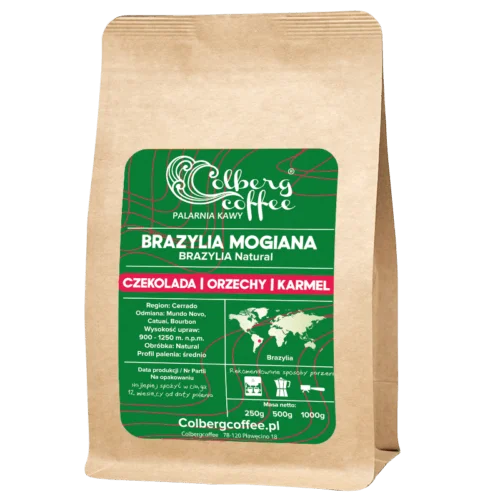
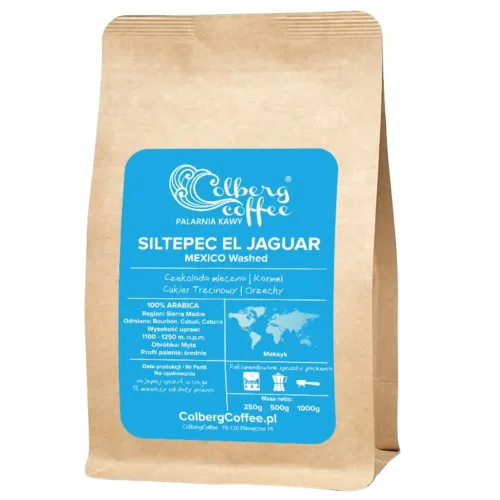
- Don’t like pronounced acidity? Choose a medium-roasted coffee with a chocolatey or nutty profile, for example from Brazil, Peru or Mexico.
Whatever roast level you choose, freshness matters. At Colbergcoffee, we roast fresh coffee 2-4 times a week. Freshness is important, but coffee doesn’t always taste its best straight out of the roaster. We explain why it’s worth letting beans rest in our article why freshly roasted coffee tastes better.
Frequently asked questions about coffee roast levels
What’s the difference between light and dark roast coffee?
Light-roasted coffee often has pronounced acidity, fruity and floral notes, and a lighter body. Dark-roasted coffee usually has lower perceived acidity, more bitterness and flavours of cocoa, roasted nuts and smoke. Medium roasting often produces a more balanced profile with notes of caramel, chocolate and nuts.
Which coffee is stronger, light or dark roast?
Dark-roasted coffee usually tastes more intense and bitter, but that doesn’t mean it contains more caffeine. Most caffeine remains in the beans during typical roasting, although very dark roasting can reduce its amount. When measuring coffee with a spoon, a serving of darker-roasted beans may contain less caffeine because the beans have a lower density.
Which roast level is best for an espresso machine?
Medium-roasted coffee is a good choice for both traditional espresso machines and automatic coffee machines. It often produces balanced espresso with noticeable sweetness and pairs well with milk. Light-roasted coffee also works for espresso, but it usually requires more careful extraction adjustments and may have more pronounced acidity.
Which roast level is best for pour-over coffee and Chemex?
For pour-over brewing and Chemex, light-roasted coffee is a good starting point. A paper filter and properly adjusted extraction help bring out fruity and floral notes. Medium-roasted beans work well too. Dark roasting can produce a flat-tasting brew with pronounced bitterness, especially when the brewing parameters aren’t right. That’s why it may not appeal to people looking for a delicate cup of coffee.
What are first crack and second crack in coffee roasting?
They’re distinctive sounds that occur during roasting. First crack is caused by increasing pressure from water vapour and gases inside the beans. The light roast range begins around this stage, although the beans still need enough development to produce the right flavours. Second crack occurs during darker roasting and involves further cracking of the bean structure. With dark roasting, oils may begin to appear on the bean surfaces.
Why are dark-roasted coffee beans oily?
During dark roasting, the bean structure becomes more porous, allowing coffee oils to move towards the surface. That’s why heavily roasted beans often look shiny. The oils may also become more visible during storage. A shiny surface doesn’t necessarily mean the coffee is old. However, oily beans can leave greasy deposits and interfere with the grinder in an automatic coffee machine.
Przeczytaj też
Caffè latte: what it is, ratios and recipe
Caffè latte step by step: espresso to milk ratios, steaming milk on an espresso machine
Nov

Viennese coffee: recipe, Einspänner and Wiener Melange
Viennese coffee step by step: which cream to use, how to whip it so it
Nov
Coffee with lemon (espresso romano): recipe and facts
Coffee with lemon step by step: espresso romano with lemon peel, iced versions, mazagran and
Nov

Bulletproof coffee: recipe, calories and what research says
Bulletproof coffee: a recipe with exact amounts, calories, butter vs ghee, MCT oil and how
Nov
Frappe: how to make Greek iced coffee
Greek frappe step by step: ratios, sketos, metrios and glykos, shaking technique and mistakes that
Nov

How to make filter coffee: ratio, grind size and temperature
How to make filter coffee: how much coffee per litre of water, how to grind,
Oct

Coffee on an empty stomach: is it bad for you? What the research says
Is coffee on an empty stomach bad for you? What research says about stomach acid,
Oct

Affogato: what it is and how to make one
An affogato is an Italian dessert: a scoop of vanilla ice cream drowned in hot
Oct

This site is protected by reCAPTCHA. The Google Privacy Policy and Terms of Service apply.