

Espresso is not just a way of brewing coffee, it is a living symbol of Italian culture, a celebration of tradition and passion, and something far more than an ordinary drink. It is often described in passing as “a small, black coffee”, but every sip carries a rich history, a precise brewing process and an almost artistic approach to drawing out aroma. Espresso is not only a craft for connoisseurs, it is also a philosophy, a way of life and an inspiration for anyone looking for authenticity in the daily ritual of drinking coffee.
Espresso for beginners
Real espresso is more than a shot of concentrated coffee, it is a ritual that starts with choosing the beans and ends with a perfectly made cup. Espresso was created and popularised by the Italians, and they are still seen as the world’s leading experts on it. The Istituto Nazionale Espresso Italiano (INEI) guards the authentic flavour and method, insisting that a proper espresso comes from careful bean selection, precise grinding and well-balanced extraction. INEI does not just promote traditional espresso, it also certifies it against strict standards.
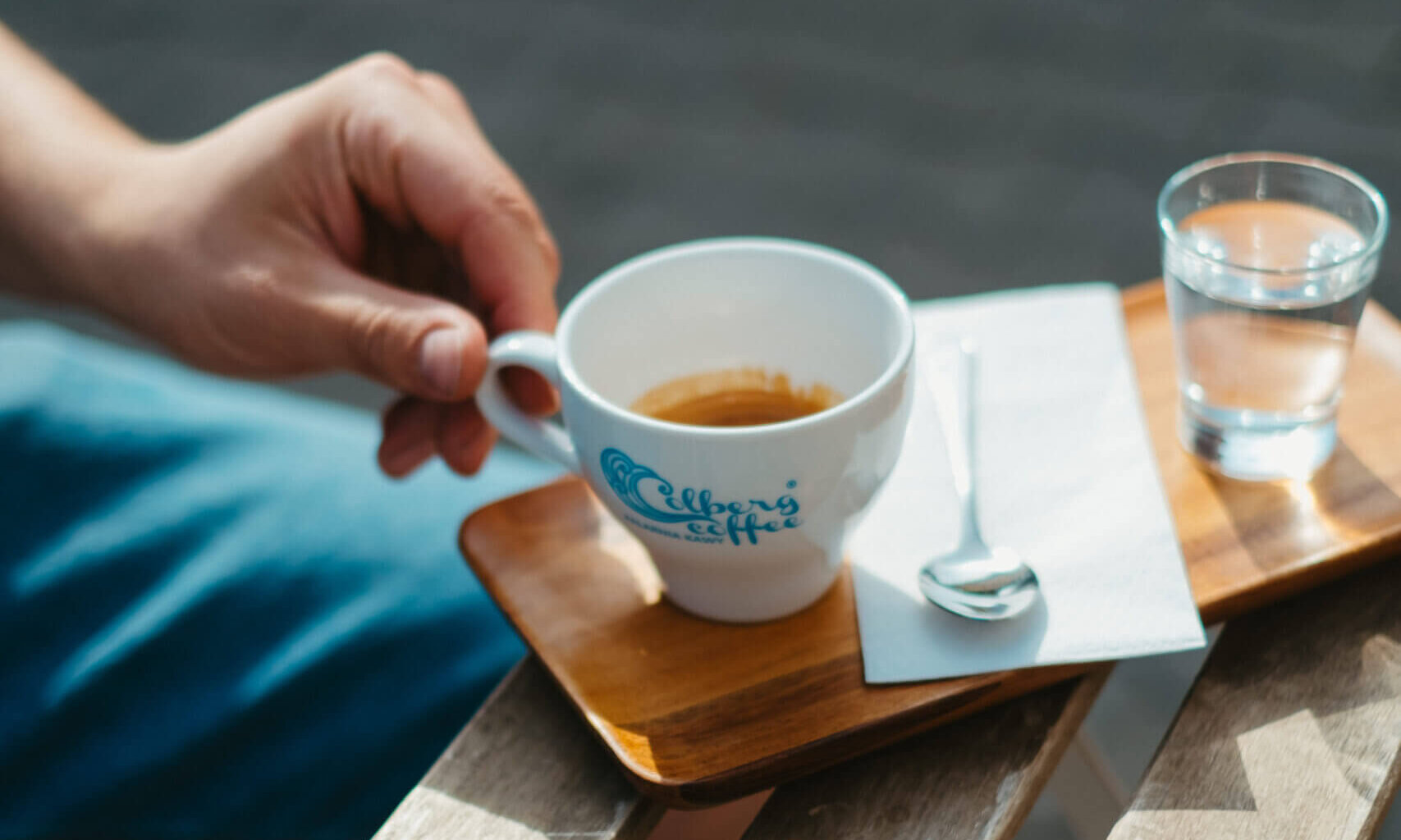
Two worlds of espresso: Italian tradition vs the specialty approach
Although espresso comes from Italy, where its basic parameters were first defined, the modern coffee world has also developed another approach, one that is more analytical and quality-focused, driven by the Specialty Coffee Association (SCA) and the World Barista Championship (WBC).
In Italy, espresso is part of daily life, pulled quickly and to an established standard: about 25 ml of coffee brewed in 25 seconds from 7 grams of coffee, served in a small porcelain cup. The flavour is intense and balanced, often with a dominant bitterness, and the crema is golden and long-lasting. This espresso is meant above all to be the essence of coffee flavour, not a sensory experiment.
In the specialty world, by contrast, espresso is treated as a drink whose quality can be optimised by adjusting the brewing parameters. Instead of fixed rules, there is room to experiment with extraction time, coffee dose (often 18-22 g), the ratio of coffee to dry mass, and flavour profile. Baristas are encouraged to study extraction and adjust their recipes to find the best balance of acidity, sweetness and bitterness. This approach also relies on measuring total dissolved solids (% TDS) and extraction yield precisely, which makes it possible to produce consistent, well-balanced espresso.
Espresso as a source of inspiration
Espresso has long inspired film-makers, writers and artists. One striking example is the 2003 German horror film Espresso, which puts an unexpected, dark spin on the symbolism of this particular coffee. But espresso also shows up in literature and cinema as a symbol of elegance, energy and passion. In Woody Allen’s To Rome with Love it sets the backdrop for Italian dolce vita, and in classics such as La Dolce Vita or The Great Beauty it becomes almost inseparable from the characters’ lives.
On one hand, espresso is tied to the Italian way of life, a quick cup drunk standing at the bar. On the other, in the specialty world it becomes the object of research and the pursuit of the perfect flavour. Either way, one thing holds true: espresso is not just coffee, it is history, passion and a way of life.
What does the word “espresso” actually mean?
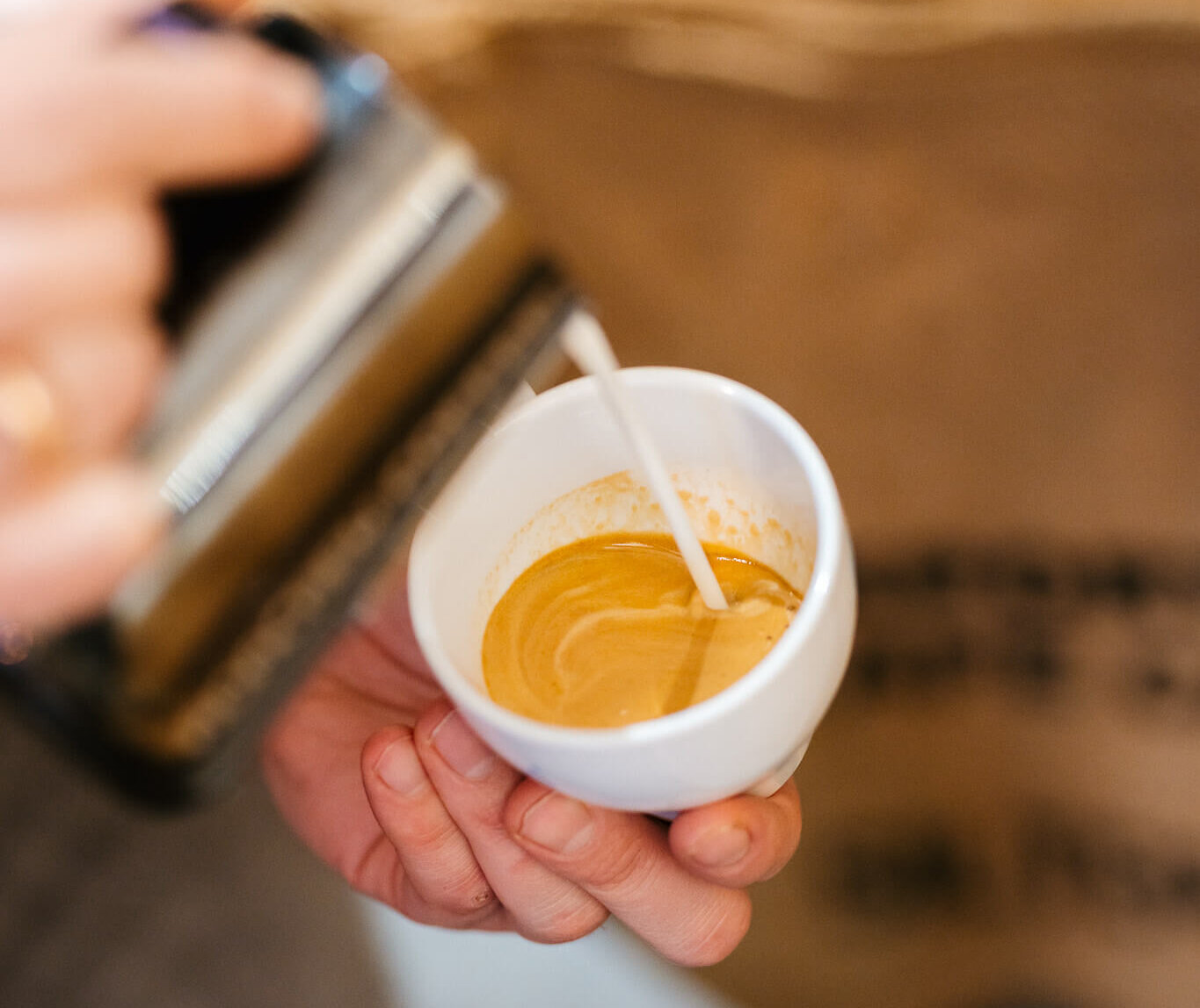
The word “espresso” comes from Italian and means “pressed out” or “made to order”. It refers both to the brewing method, where hot water is forced under pressure through ground coffee, and to the fact that the drink is made fresh, on the spot. Espresso is a small, intense shot of coffee, usually served in a white cup that sets off its deep colour. Made well, it releases a wealth of aromas and flavours and forms the base for many classic coffees, such as latte, cappuccino and espresso macchiato.
Choosing the beans: the foundation of a great espresso
The foundation of a good espresso is choosing the right beans. When picking coffee for espresso, the main thing to look at is the ratio of arabica to robusta. That comes from Italian coffee culture, where blends of the two species are the most popular. Espresso blends typically contain 10-50% robusta, which lowers acidity and boosts the amount of crema. Our roastery naturally carries traditional whole bean blends too, the most popular being Strong Storm 70/30 and Sycylia 50/50. That is the classic route, but now let’s look at the world of specialty coffee.
Until fairly recently, any hint of robusta was unthinkable in specialty coffee, so coffee enthusiasts mostly choose medium or light roast arabicas, which bring more complexity and richer aromatics, but also higher acidity. Brewing them well is harder than with traditional blends. Equipment plays a key role here: an espresso machine paired with a grinder that can grind very fine, almost to a powder. Home bean-to-cup machines struggle to get the best out of these coffees, so for that kind of machine we mainly recommend traditional blends and darker roasts.
Freshness matters too. The best espresso comes from freshly roasted beans, ideally around three weeks after the roast date. Coffee loses its aroma quickly once ground, so grinding it just before brewing is essential. It is also worth thinking about whether to go for a blend of varieties or a single origin coffee, which offers a distinct, regional character.
From grinding to extraction: the secret to great espresso at home
Making great espresso at home is not just about the equipment, it also means understanding the brewing process.
The most important piece of kit is a machine that holds a stable pressure and temperature (around 9 bars). Alongside it, a burr grinder ensures even grinding, which gives an even extraction.
The process starts with precise dosing. A double espresso typically uses 18-20 g of freshly ground coffee.
Standard doses for a single and double espresso:
-
Minimum: 14-15 g of coffee
-
Common baskets: 18-21 g of coffee
-
Espresso yield: 7 g of coffee gives 25 ml of espresso (per INEI).
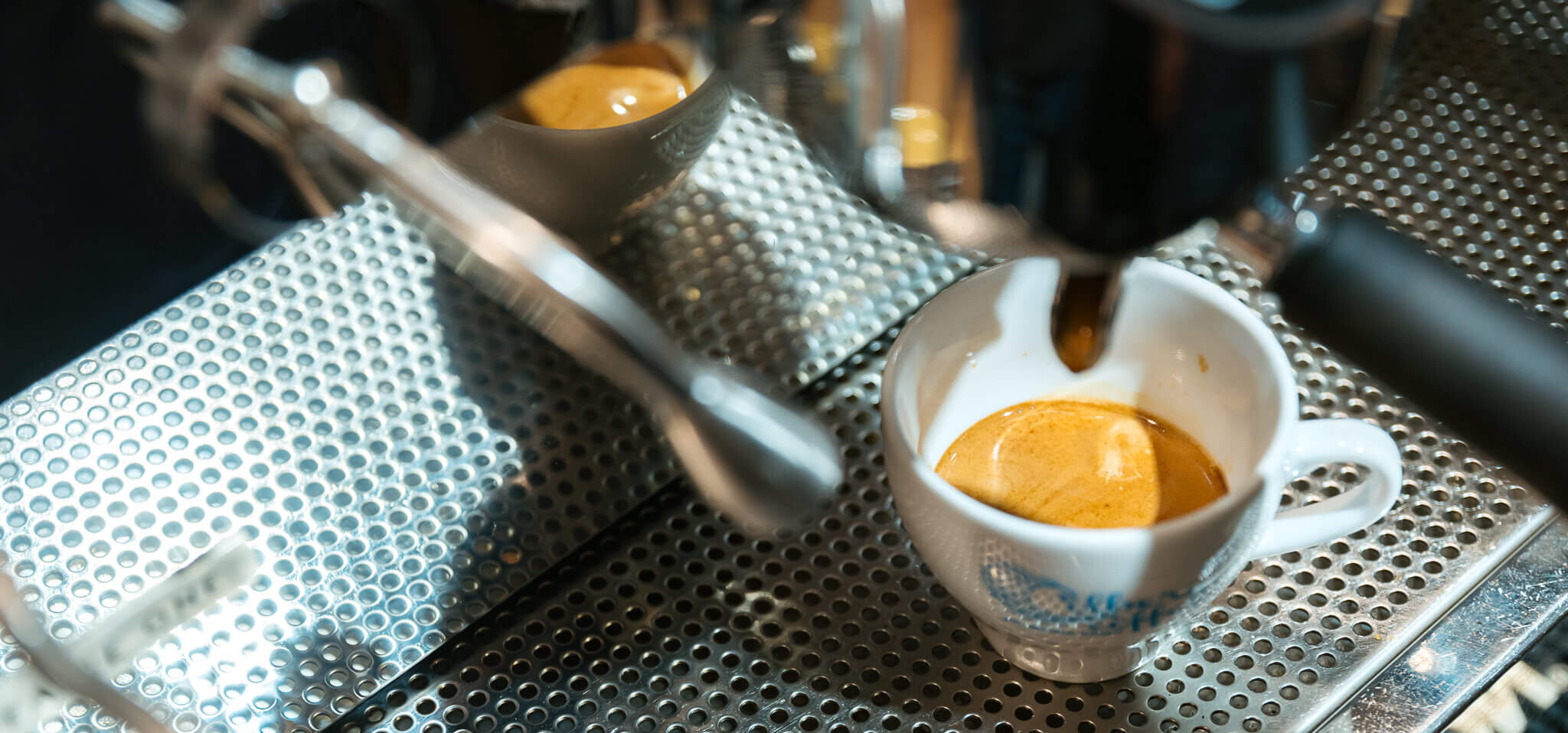
Next comes tamping, pressing the coffee evenly into the portafilter, which controls the flow of water and helps draw out the full flavour. The ideal shot time is 25-30 seconds, with the water at 90-92°C. A golden crema on top is a sign the extraction has gone well.
Espresso in its many forms
Espresso is not just a classic shot of coffee, it is also the base for plenty of creative drinks:
-
Espresso Macchiato, espresso “stained” with a small amount of foamed milk that gently softens the intensity of the shot.
-
Espresso Lungo, a longer, larger shot that keeps a balance between strength and delicacy.
-
Espresso Doppio, or double espresso, for anyone who needs an extra hit of energy.
-
Espresso con Panna, espresso topped with whipped cream, often served as a dessert-style version of espresso.
-
Espresso Affogato, a superb dessert in which a scoop of ice cream is “drowned” in espresso, creating a hot-and-cold contrast.
-
Double espresso, an intense option that delivers an extra dose of caffeine in one go.
-
Ristretto, a stronger, shorter version of espresso, with a more concentrated extraction.

Espresso cups, and what the water is for
Espresso cups should be made from materials that hold heat well, such as porcelain, stoneware or borosilicate glass. A classic cup holds 80-110 ml. White cups are especially popular, because they contrast with the dark espresso, which sets off the intensity of its colour.
The water served alongside espresso is not just an extra, it is there to cut through the espresso’s thick, syrupy texture, which can otherwise be hard on the throat. A common myth claims the water is meant to rinse your taste buds before the first sip, supposedly letting you enjoy the coffee’s aroma more fully. In reality, espresso is intense enough that any flavour that came before it simply stops registering.
Why good espresso matters so much in a café
Good espresso is a key part of any café, because it is the base for most coffee drinks, from americano to cappuccino to flat white. Its quality shapes not only the taste of the espresso itself, but every milk coffee built on it, wherever espresso and milk meet in different ratios.
A perfect espresso takes high quality equipment: a proper espresso machine and a precise grinder. Grinder settings, such as grind size and dose, have a huge effect on extraction. The machine, in turn, has to hold a stable pressure and water temperature for the flavour and aroma to come through evenly.
Need equipment for your café? Get in touch with us.
Experienced baristas make sure extraction time stays in the right window, avoiding both under-extraction (which brings out acidity) and over-extraction (which leads to excess bitterness). Regular testing and calibration of the equipment, along with keeping the coffee fresh, are essential if every cup of espresso is to be consistent and top quality.
FAQ: frequently asked questions about espresso
How does espresso differ from regular coffee?
Espresso is a method of brewing coffee under high pressure (around 9 bars), where hot water passes through finely ground coffee. The shot is small (about 25-30 ml), with an intense flavour and a distinctive crema on top. Regular coffee, such as filter coffee, is brewed at lower pressure with more water, giving a milder, less concentrated flavour.
How much caffeine is in an espresso?
A standard espresso shot (7 g of coffee, 25 ml of liquid) contains around 100 mg of caffeine. Even though espresso tastes more intense than other brewing methods, a cup of filter coffee actually contains more caffeine, because it uses more ground coffee and a longer extraction time.
Why do you get water with espresso?
The water served with espresso is mainly there to sip alongside it, since espresso has a thick, syrupy texture that can be hard on the throat. A common myth says the water is meant to rinse your taste buds before the first sip, supposedly helping you taste the coffee’s aroma better. In reality, espresso is intense enough that any flavour tasted beforehand stops registering. The water mainly helps cut the coating feeling in your mouth and prepares your palate for the next sip.
Why are espresso cups usually white?
White cups show off espresso’s visual qualities best, especially its dark colour and golden crema. The Italians, who set the standard for coffee aesthetics, favour this kind of contrast, which makes the espresso look even more appetising. Porcelain cups also hold the shot’s temperature well, which affects its flavour and aroma.
Is it true you shouldn’t stir espresso?
Actually, espresso should be stirred before the first sip. During extraction, coffee brews in layers: the acidic notes come through first, the bitter ones later. As a result, the bottom of the shot is more acidic and the top more intensely bitter. Stirring evens out these differences and gives a better balanced flavour.
What is the ideal espresso extraction time?
The standard extraction time for espresso is 25-30 seconds. Any shorter and it can taste watery and sour, any longer and it turns bitter and over-extracted. Brew time depends on grind size, water pressure and the quality of the beans used.
