

How to choose cups for a café
If you run a café, well chosen cups are basic kit. Every drink needs the right vessel, for capacity and for material alike. So how do you pick cups for espresso, cappuccino and latte? Here is the answer, plus how many you should keep on the shelf so the busiest hours do not catch you out.
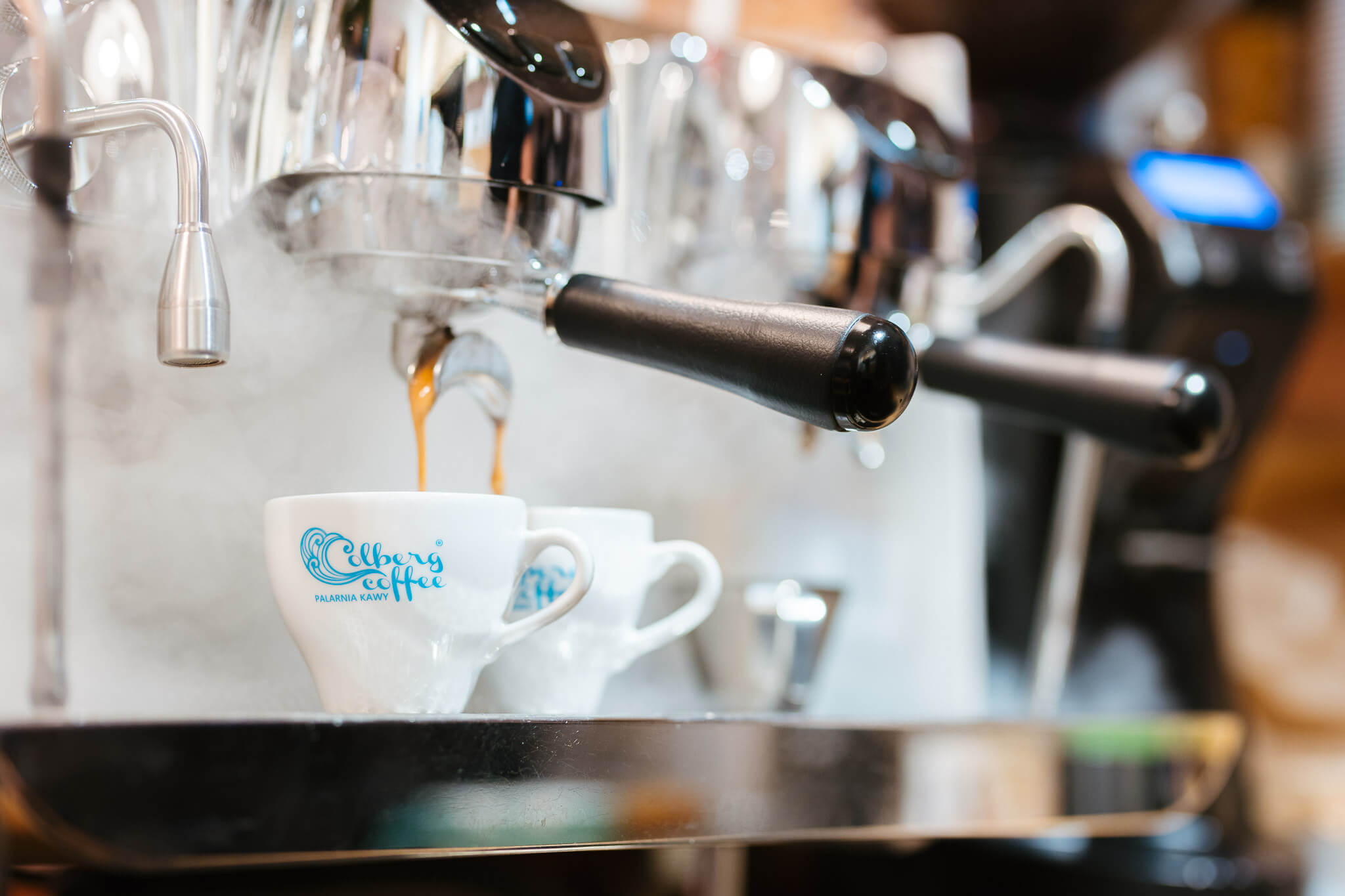
Espresso cups: how many do you need?
Espresso is a small serve, but it needs a cup of its own. A standard espresso cup holds around 50 ml, though a slightly larger one, up to 100 ml, gives the aromatics more room. Porcelain or thick-walled glass works best, because it holds the temperature.
You do not need a mountain of them, though. In most European cafés people order milk drinks more often, so the espresso set can stay fairly modest.
Cappuccino cups: the ones you will reach for most
Cappuccino is one of the best loved coffee drinks anywhere. A standard cappuccino cup holds 150 to 200 ml and doubles up for flat white and americano. Buy a few extra and keep them ready for a rush. The cappuccino set should be a good deal bigger than the espresso one, because these are the cups that go out most often.
Cups for latte and filter coffee
Latte cups are the biggest, around 300 ml. Latte sells well, especially in the colder months, so keep enough of them on the shelf. That said, latte cups also work for filter coffee, which means the latte set does not have to be huge.
How to work out how many cups your café needs
How many cups does a café actually need?
The number is easy enough to work out from your seat count and the drinks you serve. Here is one way to do it:
- A café with 25 seats inside, plus another 25 outside in summer, needs around 50 cups. Assume half the orders are cappuccino and you need at least 25 cappuccino cups, 10 for latte and 6 for espresso. Add a few spares on top for breakages.

One thing worth knowing: cups come in sets

When you buy, check what sets the manufacturers offer. Porcelain is often sold in packs of 6, 8 or 12.
Storing cups on top of the machine
Modern espresso machines have a cup warmer, which matters for getting the drink to the table at the right temperature. Before you buy a machine, check how many cups fit on its top surface. The Victoria Arduino Eagle One, for instance, has a purpose-built cup area, so the porcelain sits where the barista can reach it and the workflow stays tidy.
