





Colbergcoffee » Colberg » Colberg Beer – Medieval Brewing Traditions of Kołobrzeg
Colberg Beer – Medieval Brewing Traditions of Kołobrzeg
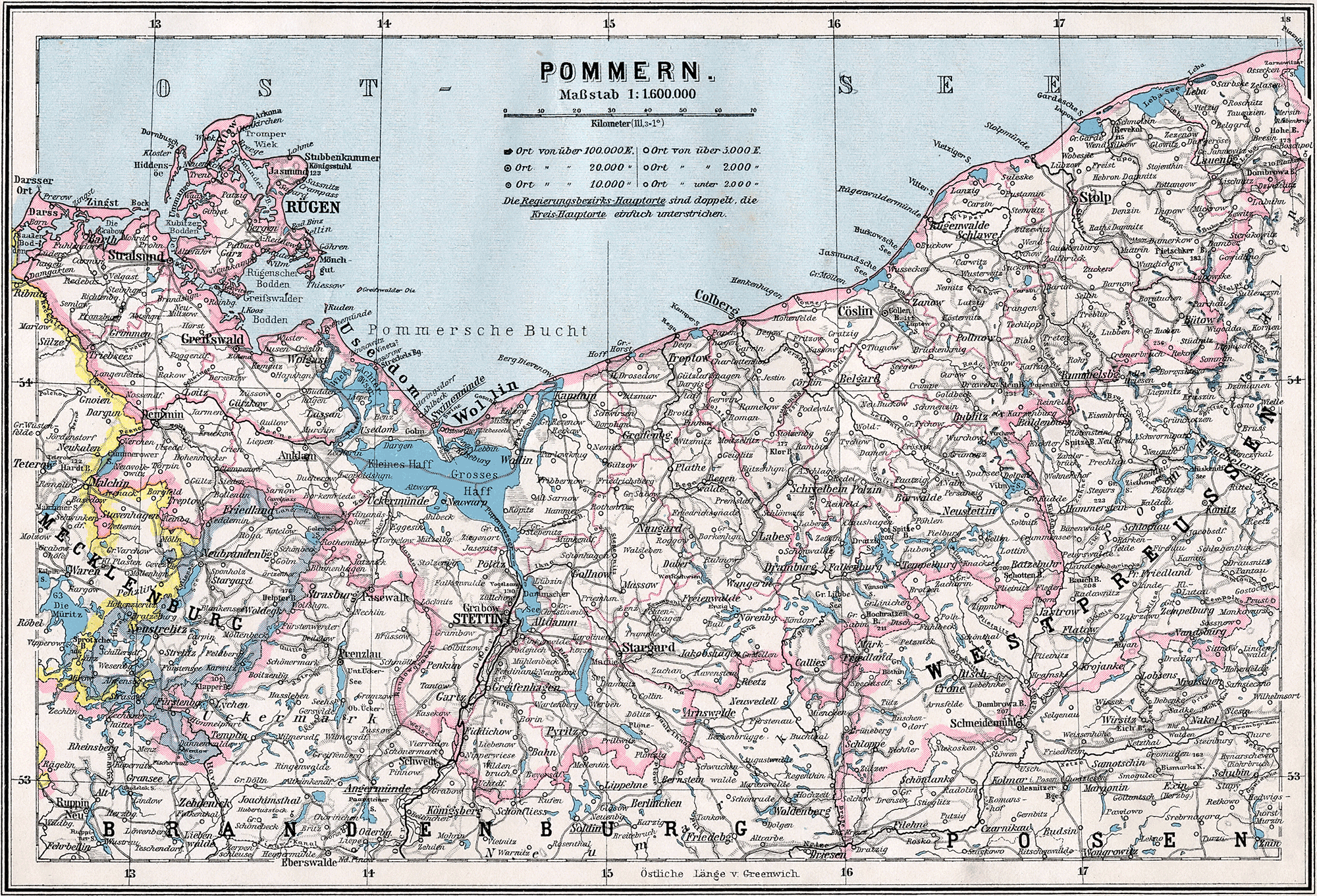
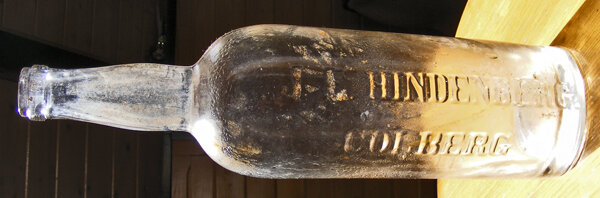
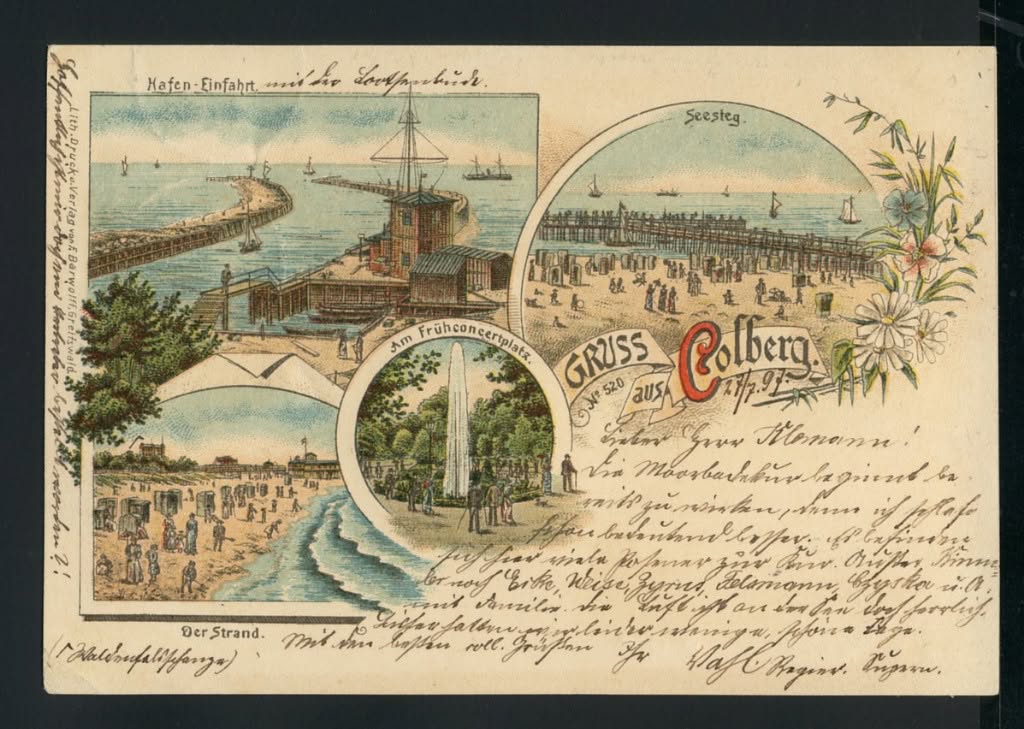
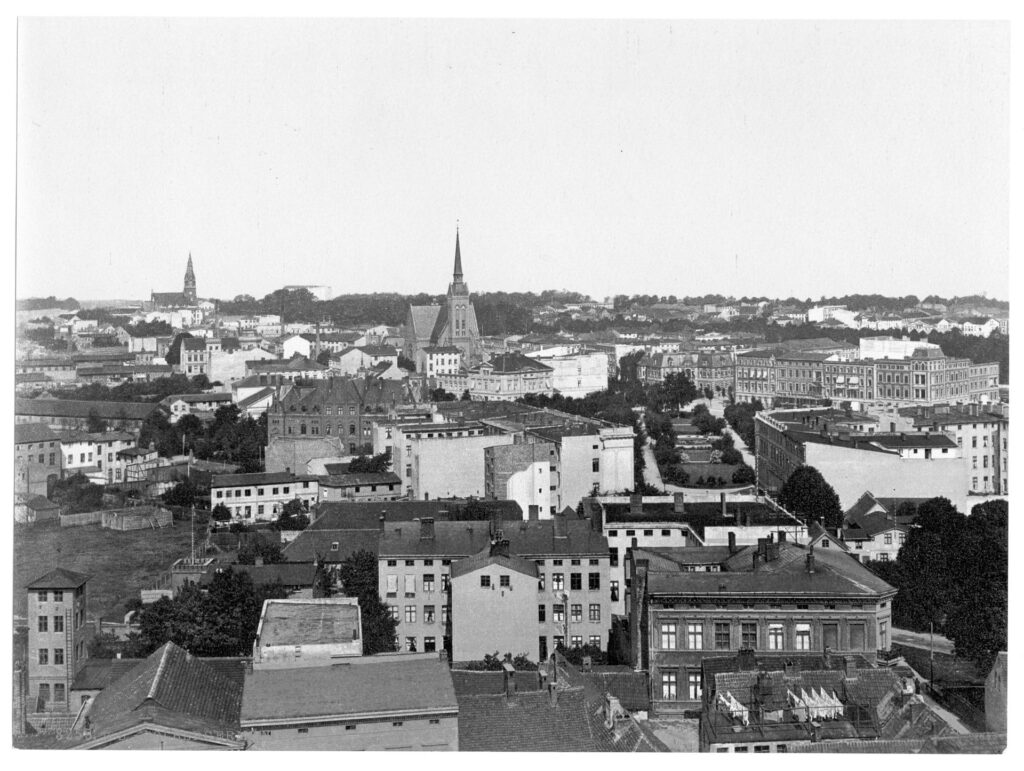
Colberg (Kołobrzeg) in the Middle Ages was not only a defensive stronghold and a centre of the salt trade, but also a place where beer was almost synonymous with everyday life. Burgher breweries filled the narrow streets with their smell, and the brewers – organised in a powerful guild – decided the taste and quality of the local drink. The deeper you dig into the history, the more curiosities surface, so let me take you on a slightly longer journey through the beer history of Colberg.
Black beer – the pride of Kołobrzeg
The legend of “Black” beer sounds like something from an adventure novel, but… it really happened. In Kołobrzeg a dark beer was brewed, known as “Black” – considered one of the best in the whole of Western Pomerania. This drink, brewed from dark malt, was exported to other Hanseatic towns, and it’s said that Duke Franciszek was particularly fond of it. Even though a brewery producing light beer in the Potsdam style was set up nearby in Budzistowo, in Kołobrzeg the taste for the local drink was stronger – “Black” reigned in the taverns and on the town’s tables.
This popularity also translated into the defence of the town. According to the chronicles, on 21 December 1462, during an attack on Kołobrzeg by the troops of Bishop Henning Iven, the townswomen poured hot beer over the besiegers – the scalding drink ran down the walls, burned their skin, and the attackers fell onto the frozen Parsęta. It’s one of the most colourful, but also most telling scenes in local history; proof that in the Middle Ages beer was not only a drink, but also a weapon.
The Brewers’ Guild and the rules of brewing
Although beer had already been brewed in Kołobrzeg in the 13th century, formal rules were only put in place after the Brewers’ Guild was founded in 1528. It was the third craft guild in order of establishment in the town. The guild’s statutes set out in detail who could brew beer and under what conditions: a brewer had to own his own house, could not brew for others, and sold only his own beer. Brewing outside the guild was banned, which underlines the strength of the craft brotherhoods in the town on the Parsęta.
In 1516 the German beer purity law – the Reinheitsgebot – was introduced. Under this law beer could only be made from water, malt and hops. The Kołobrzeg town council confirmed the guild’s privileges in 1613, but life quickly tested the rigid rules – as time went on more and more beer was brewed outside the guild, and new flavours flowed into the town.
At its peak, around 1613, as many as 179 breweries were operating in Kołobrzeg. By comparison – in 1650 there were 150, and by 1676 only 130. The decline in the number of breweries was linked to wars and economic crises, but also to changing tastes. In the 18th century vodka began to displace beer, and exports fell – in 1614 the port shipped out 4,692 barrels of beer, in 1622 it was 1,896 barrels, in 1635 just 349 barrels, and after 1645 not a single one was recorded.
Beer and the town’s economy
Beer in Kołobrzeg was not just a local drink – it was the backbone of the town’s economy. Local residents and the brewers’ guilds controlled the entire production process: from growing hops on the marshy meadows around the town, through malting barley, to selling the finished drink. The town authorities looked after the quality of the beer by introducing strict laws and restrictions, but also by supporting exports.
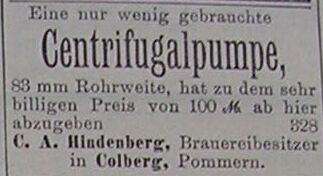
The main export destination was Gdańsk – beer was transported in barrels marked Colberg down the river Parsęta and onward by sea. Barley and malt, meanwhile, were brought in from Bornholm, which shows how extensive the trading contacts were. In 1613, 179 breweries were operating in Kołobrzeg, an impressive number for the conditions of the time. It’s worth remembering that the town also traded in salt and fish – beer was just one of several branches of the local economy, but it was the most recognisable product of the Colberg name.
At the same time, not everyone could become a brewer. German law, introduced along with the town’s charter under Lübeck law, restricted the participation of native Slavs in the guilds and in more important trades. In 1564 Slavs were barred from joining the blacksmiths’ guild. Although the inhabitants of Kołobrzeg had personal freedom, not everyone had equal rights to production and trade. This is an important context, as it shows that beer was also part of a struggle for influence between locals and newcomers.
The siege of 1462 – a beer victory
The episode from 1462 deserves special attention. During the conflict between the town and Bishop Henning Iven, on 21 December 1462, Pomeranian troops under the command of Dionysius von der Osten approached the walls of Kołobrzeg. The attack was launched across the frozen Parsęta, ladders were set up, and an attempt was made to force a way into the town. The defence, however, proved surprising – women on the walls poured hot beer over the besiegers. The scalding drink effectively forced the soldiers to retreat, and when the ice on the river broke, many of them drowned.
Some historians take this story with a pinch of salt, since clear evidence is hard to find, but the chronicles and local tradition say clearly: Kołobrzeg’s “Black” saved the town from the invaders. The story has become fixed in legend, and some sources even mention mocking songs about the flight of von der Osten’s troops. Whatever really happened, the legend is a great example of how a local drink turned into a symbol of resilience.
Brewing in the Middle Ages – a wider context
It’s also worth taking a wider look at the world of beer in the Middle Ages. As early as the early Middle Ages, brewing beer was often the domain of women; only over time did the profession pass into the hands of men. The oldest documented tavern with a brewery on Polish lands dates from 1272, and in the 16th century beer was served not only as a drink but also as an ingredient in meals – soups and broths were cooked with it, and meat was even marinated in it.
Over the years, increasingly restrictive regulations were introduced across Europe. In 1516 the German Reinheitsgebot allowed the use of only water, barley and hops. This law also applied in Kołobrzeg – the authorities wanted to maintain the quality of production this way. At the same time, in the 16th-17th centuries brewers had to compete with increasingly popular distilleries, which is reflected in the falling number of breweries.
To finish – let’s reach for a Beer
In writing this article, I tried to show that beer in medieval Kołobrzeg was more than just a drink – it was part of the town’s identity. “Black” became the stuff of legend, the brewers’ guild fought for its rights, and hot beer became a weapon in the defence of the walls. The history of Colberg smells of malt and hops, but also of the determination of its inhabitants, who were able to use their tradition for something more than just feasting.
based on:
– the book “Life in Medieval Kołobrzeg” by Robert Dziemba
– town chronicles
FAQ – Colberg Beer from Kołobrzeg and the History of Brewing
1. Why was “Colberg” beer known beyond Kołobrzeg?
Beer brewed in Kołobrzeg, sold under the name “Colberg”, was valued across northern Europe. It was exported mainly to Hanseatic ports, including Gdańsk, Lübeck and Copenhagen. It was regarded as a high-quality drink, and its popularity made Kołobrzeg one of the more important brewing centres in Pomerania.
2. Why was “Black” beer so special?
It was brewed from dark malt, which gave it an intense flavour and aroma. Duke Franciszek is said to have been particularly fond of it. Even though a brewery producing light, Potsdam-style beer was set up nearby in Budzistowo, it was “Black” that remained the favourite drink of Kołobrzeg’s residents.
3. How many breweries operated in Kołobrzeg?
At its peak, around 1613, as many as 179 breweries were operating in Kołobrzeg. That’s an impressive number given the conditions of the time. Over time, however, the number of breweries fell – in the 17th century the growth of distilleries and the changing tastes of residents led to lower beer production.
4. Is it true that beer “saved” Kołobrzeg in 1462?
That’s what the legend says. During the siege of the town, women on the walls poured hot beer over the attackers. The scalding drink burned the soldiers’ skin, and many of them fell into the river when the ice on the Parsęta broke. Although historians dispute the details, in Kołobrzeg the story of the “beer victory” is deeply rooted.
5. What was the importance of beer to the town’s economy?
Enormous. Beer production was one of the pillars of the local economy. It was exported mainly to Gdańsk and other Hanseatic ports, and the process itself – from growing hops, through malting, to sale – was tightly controlled by the brewers’ guilds and the town authorities.
6. What was the beer purity law (Reinheitsgebot) and did it apply in Kołobrzeg?
The Reinheitsgebot was introduced in Germany in 1516. It required beer to be brewed using only three ingredients: water, malt and hops. Kołobrzeg, then part of the German sphere of influence, applied these rules. As a result, Kołobrzeg’s beers were known for their high quality.
Colbergcoffee Blog
read more:

Ma Ma Cafe, a café in Świnoujście: a showcase of top quality
How we fitted out Ma Ma Cafe in Świnoujście from A to Z: a Nuova
Oct
Inside the La Marzocco factory in Scarperia: how the machines are built
What happens inside the La Marzocco factory in Scarperia near Florence: build-to-order production, a dedicated
Oct

Autumn at Colbergcoffee: pumpkin spice latte and four new drinks
The autumn menu at Colbergcoffee in Kołobrzeg: pumpkin spice latte made to our own recipe,
Oct
How to recognise good loose-leaf tea
Dry leaf, smell, the colour of the liquor and the brewed leaf tell you almost
Sep

Ugandan Coffee Day in Kołobrzeg: a cup that helps
Ugandan Coffee Day at Colbergcoffee in Kołobrzeg: what is on in the café, who the
Sep

How much matcha a day? Caffeine, limits and who should care
How many servings of matcha a day make sense, what that means in milligrams of
Sep

Ristretto vs espresso vs lungo: ratio and brew time
Ristretto, espresso and lungo from a single dose: dose, ratio, extraction time and grind in
Sep

How to brew coffee in a French press, step by step
How to brew coffee in a French press: ratios, grind size, water temperature and timing,
Sep