

Coffee beans, the grinder starts up and… that smell that wakes you in the morning and keeps you company late into the night when something has to be finished at the last minute. As someone who works with sacks full of roasted beans every day, I know that storage can kill aroma faster than a poor machine. Below I have gathered a few loose thoughts and tips, partly backed by research and partly by experience from our own roastery.
Why bother about storing whole bean coffee at all?
Beans are alive. After roasting they keep “breathing” and readily pick up whatever we expose them to: air, moisture, heat and light. Those four things are their worst enemies. According to researchers, coffee is best kept in an airtight, opaque container away from sunlight. This is not marketing: bright light and temperature swings can “kill” the aromas before we even take the first sip.
Fridge and freezer: enemies or allies of coffee beans?
Grandma used to put whole bean coffee in the fridge. You probably know that particular smell when you open the door. The problem is that coffee beans act like a sponge. They soak up the aromas in the fridge: onion, sausage… and then you have a cappuccino that tastes of soup.
DO NOT KEEP COFFEE IN THE FRIDGE!
On top of that, condensation forms in the fridge, and the oils pushed to the surface by temperature changes speed up the ageing of the beans. Even airtight containers let through a little oxygen and moisture. So at home you are better off skipping the fridge and freezer if you want your whole bean coffee to keep its freshness and aroma.
If you really have to freeze a larger stock of beans, do it like the professionals: divide the coffee into small portions, seal them tightly and do not thaw them over and over. When you take a portion out, let it come up to room temperature and never put it back in the freezer.

Is it worth tipping coffee into a jar?
Many people put coffee beans into a glass jar because it looks nice. Unfortunately, sunlight gets inside and destroys the aroma. Metal tins can pass their taste on to the coffee, and glass containers hold on to the smells of previous coffees.
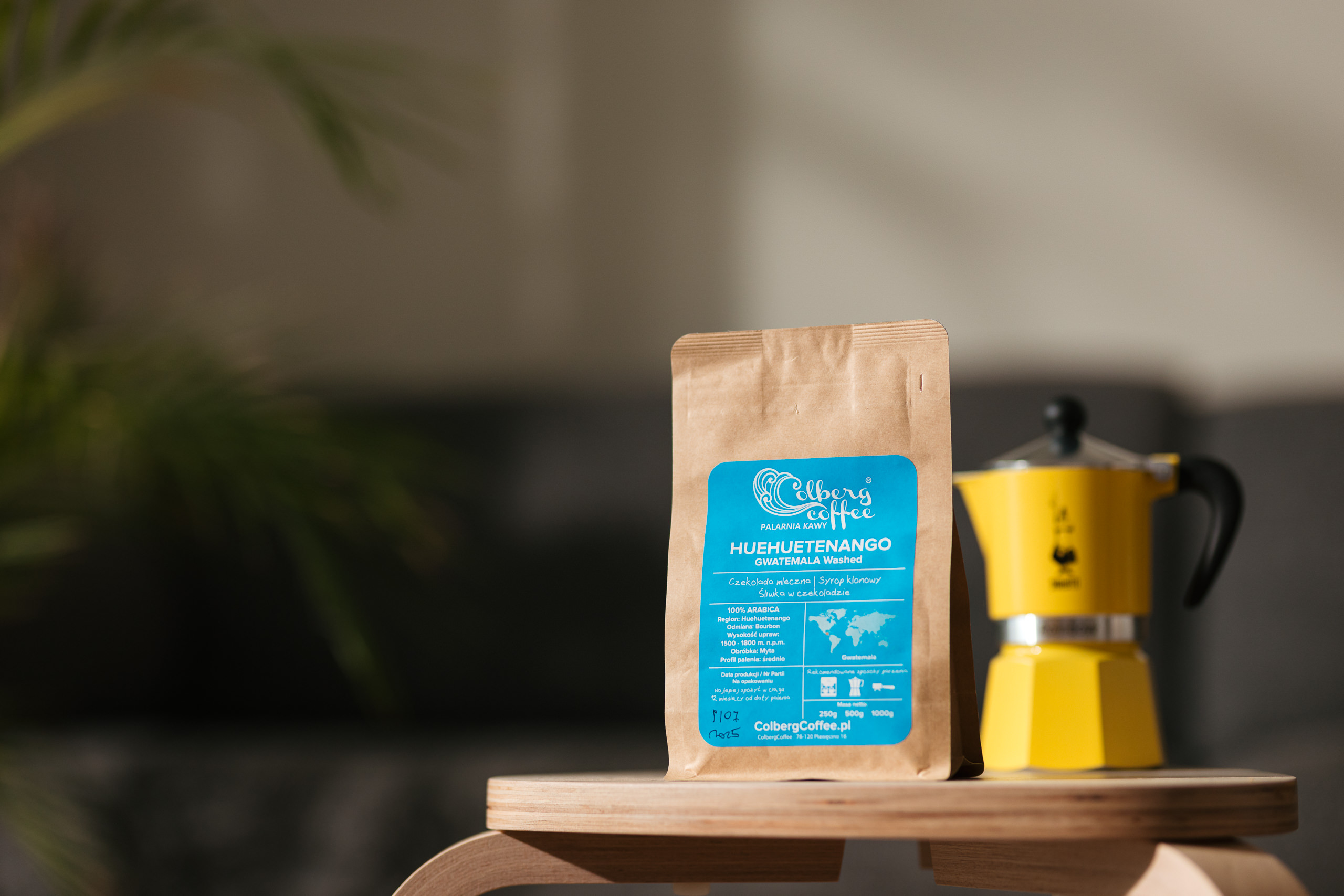
The best solution is the simplest: keep your whole bean coffee in its original bag with a valve. These bags have a special one-way valve that lets carbon dioxide out and keeps air from getting in. Once opened, just roll down the top, close it with a clip and put it in a cupboard.
If you do need a different container, choose one that is airtight and opaque: ceramic, stainless steel or a dedicated vacuum canister with a pump. That way the beans keep their flavour and aroma for longer.
Where is the best place for a bag of coffee? Storing coffee at home
Somewhere dark, cool and dry. The cupboard above the cooker? Bad idea: it is hot and humid up there. The worktop by the window that catches the afternoon sun is out too. I keep my stock of whole bean coffee at the back of the pantry, where the temperature is stable and there is no risk of someone moving the container next to the oven. You can put the original bag inside an extra airtight box, which also makes the kitchen look tidier. And if I run out of coffee, I roast some fresh in the sample roaster. That is one of the perks of being a roaster.
Or should you freeze whole bean coffee after all?
Freezing coffee is an eternal debate. Many experts stress that coffee likes a stable climate, which is why some praise freezing whole beans in their original packaging. Even they warn against thawing and refreezing, because it damages the structure and aroma of the beans. What is certainly essential is sealing the beans airtight so they have no contact with ice or water. A curiosity: there are cafés with a freezer full of pre-portioned exceptional coffees costing more than 20 euros a serving, and such a café can have hundreds of different coffees on offer at the same time.
Remember that coffee is hygroscopic: it absorbs moisture and smells. In the fridge and freezer it is very easy to get condensation and foreign aromas. In practice, freezing only makes sense if you buy a really large amount of coffee and know you will not use it within a few weeks. Otherwise it is better simply not to buy that much.
How long does whole bean coffee stay fresh, and how much should you buy?
Whole beans taste best within about 4-6 weeks of the roast date. In a sealed bag with a one-way valve they stay good for up to about 2-3 months. That is why it is best to buy smaller amounts that you will use within a week or two. If you drink one cup a day, a bag of about 140 g is enough for two weeks. Most roasteries sell 250 g bags, and that is a sensible compromise. Buying several-kilo sacks “to have in stock” ends with coffee that tastes of cardboard by the end, not of freshly roasted beans.

Should you grind whole bean coffee in advance?
Don’t. Seriously, it is not worth it. The aromas start escaping within minutes of grinding. Grinding in advance gives you something like instant coffee from a kiosk rather than a fresh mix of nuts, almonds and chocolate. Better to buy a simple hand grinder or an electric one and grind exactly as much as you need. It takes a moment and the difference in taste is huge. That said, ground coffee from a sealed bag still tastes good for 1-2 weeks after opening, so the above applies more to grinding a stock into a jar or whatever you keep your coffee in.
And that is about it…
Storing whole bean coffee is not rocket science. Common sense is enough: avoid the fridge, keep the beans away from light and heat, use the original bag or an airtight, opaque container with the coffee still in its original bag inside… and grind just before brewing. Buy small amounts, try new beans, play with flavours. It would be a shame to waste good beans through poor storage. Coffee deserves better than the aroma of your fridge.
FAQ: storing whole bean coffee
What is the best way to store whole bean coffee at home?
In the original valve bag, placed inside an airtight, opaque container. And kept in a cupboard, not on the worktop by the window.
Should whole bean coffee be kept in the fridge?
No! The fridge is the worst place. Coffee picks up smells like a sponge, condensation forms, and the beans lose their aroma faster.
How long does whole bean coffee stay fresh after roasting?
Whole beans are at their best within about 4-6 weeks of the roast date. A sealed bag with a one-way valve keeps them good for up to about 2-3 months. After that the aroma drops off, although the coffee is of course still fine to drink.
Is it worth grinding coffee in advance?
No. Within minutes of grinding, the best of the coffee escapes. Grind just before brewing: the difference in taste is huge.
What about freezing whole bean coffee?
You can, but only if you have a really large stock. Portion the beans, seal them airtight and do not thaw the same portion several times. Otherwise you will lose more than you gain.
How much coffee should you buy so it stays fresh?
Ideally as much as you will drink in 1-2 weeks. A 250 g bag is the sweet spot: you will finish it before the coffee has time to go stale.
