
Pregnancy and coffee: a pairing that has been stirring up feelings for years. Some people will warn you off every last drop of espresso, others wave it away and say one cup never hurt anyone. Where does the truth sit? How much caffeine are you actually allowed, and at what point does the risk start? And what can you pour into the mug instead of the usual short black, so that mornings are not completely without flavour?
Coffee in pregnancy: some facts, and a good deal of feeling
Some pregnant women are as wary of coffee as the devil is of holy water, others cannot picture a morning without a flat white. Who is right? Medically, what counts is the amount of caffeine. Doctors at the American College of Obstetricians and Gynecologists and at the Cleveland Clinic advise limiting the daily dose to around 200 mg of caffeine. That works out at one large cup of filter coffee or two small espressos, and caffeine also lurks in tea, chocolate and energy drinks, which is easy to forget. Put differently, the warning light only comes on once you are drinking three or four mugs at a stretch.
Is coffee good for you? The facts and the myths
Go over the 200 mg limit and the risk of complications rises. Australian guidance for pregnant women points out that too much caffeine can lead to miscarriage, low birth weight or premature birth. On top of that it is a stimulant: it speeds up your heart rate, makes nausea worse, and contributes to dehydration and sleeplessness. After three espressos in one day I had the feeling that even my eyelids were twitching, so there is something in it.
Decaf in pregnancy. Coffee without caffeine can help you get through it
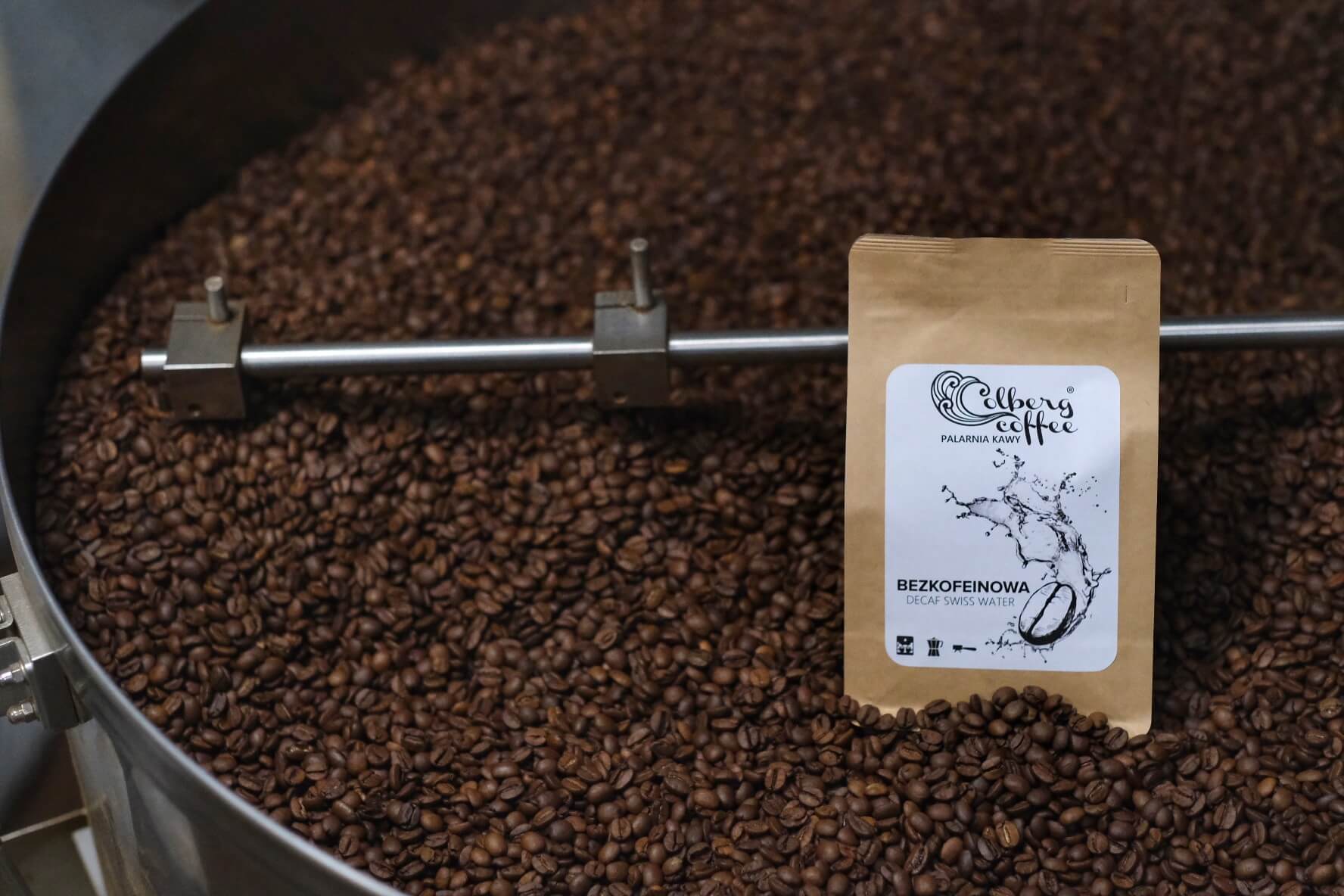
If caffeine can do harm, then surely decaffeinated coffee is the answer? Not quite. Decaf still contains small amounts of caffeine. A cup of brewed decaf (240 ml) has about 2-4 mg of caffeine, and one larger cup can have as much as 12 mg. There are no official guidelines on how much decaf is safe in pregnancy, but experts take the view that at such a low caffeine content it is safe in moderate amounts. Even so, a few observational studies have suggested a higher risk of miscarriage above three mugs a day, and the authors of those studies admit themselves that the data may have been biased. And it is worth remembering that decaffeination is sometimes done chemically: if you have any doubts, choose brands that use water or CO2 methods of removing the caffeine.
Is coffee in pregnancy worth it at all?
Honestly? If you tolerate one cup well and have no other contraindications, it is not a disaster. Doctors say clearly that moderate coffee consumption, up to 200 mg of caffeine a day, does not raise the risk of miscarriage or premature birth. But if you are dealing with high blood pressure or heartburn, or you simply feel wired after a coffee, it may be better to let it go or move to something gentler. Every body reacts differently. Listen to your own and to your doctor, not to AI or even to this blog.
Recommended alternatives: what to drink instead of coffee in pregnancy
Finding a drink to stand in for the coffee you love does not have to be torture. In many cases it is a chance to discover new flavours. Here are a few ideas that come up again and again in guides for pregnant women:
- Herbal teas. You do have to watch which kind, but chamomile, fennel and peppermint tea are naturally caffeine free and are good for digestion. The recommendations also suggest warm water with lemon, or diluted fruit juice.
- Chicory or dandelion coffee. An infusion of dandelion root, and coffee made from roasted chicory, are as bitter as espresso and completely caffeine free. Chicory also contains inulin, a prebiotic fibre that supports the gut.
- Golden milk. A warming drink made with milk, dairy or plant-based, with turmeric and spices such as ginger, cinnamon or pepper. Turmeric is known for its anti-inflammatory action and may support the immune system.
- Ginger lemonade. Grated ginger with lemon juice, honey and hot water can wake you up better than coffee. It is a recommended drink in pregnancy, because it contains no caffeine and ginger helps with nausea.
- Milk or cocoa. Sometimes plain milk, warm or cold, or a cup of cocoa is enough. Drinks like these are more filling, they hold very little caffeine (cocoa has around 20 mg of it in a bar of chocolate) and they can take the place of the morning ritual.
- Decaf. You can also simply move over to decaffeinated coffee. It is still coffee, so you are not forced to change your habits completely, and the caffeine content drops by a factor of several dozen. Remember though that decaf is not water: one cup is still a few milligrams of caffeine.
Or perhaps no ritual at all?
Some people advise giving up coffee rituals altogether in pregnancy: stop drinking warm, stimulating drinks and reach instead for water with lemon, fresh juices or kefir. If you feel you have to drink something, that may simply be habit rather than any real need for caffeine. Be ready for the withdrawal symptoms, though. Headaches, irritability and tiredness can be annoying, but they pass after a few days.
To sum up, or rather, my two pennies’ worth
Life in pregnancy can be full of do’s and don’ts, but with coffee you do not have to be quite so strict with yourself. I am a father of three, so I know a little about what I am writing here. Moderation is the key word. One decent mug or two small cups a day should do no harm to you or to the baby. If you want to keep the caffeine to a minimum, reach for decaf or for one of the alternatives: chicory, herbal teas, golden milk or ginger lemonade.
And that is about it. There is no great philosophy here. Listen to your body, talk to your doctor and choose whatever gives you comfort. Pregnancy is not the time for perfect rules, it is the time for common sense and a little pleasure.
sources and studies:
ACOG, the American College of Obstetricians and Gynecologists
https://www.acog.org/clinical/clinical-guidance/committee-opinion/articles/2010/08/moderate-caffeine-consumption-during-pregnancy
PubMed, National Institutes of Health (NIH)
https://pubmed.ncbi.nlm.nih.gov/32843532
Springer, the journal Archives of Gynecology and Obstetrics
https://link.springer.com/article/10.1007/s00404-024-07538-7
ScienceDirect, Elsevier
https://www.sciencedirect.com/science/article/abs/pii/S0890623823001922
FAQ: coffee in pregnancy
Can you drink coffee when you are pregnant?
Yes, but in moderation. The safe limit is around 200 mg of caffeine a day, which usually means one cup of ordinary coffee. Remember that caffeine is also in tea, cola and chocolate.
Is decaf coffee safe in pregnancy?
Yes, in moderate amounts. Decaf has only trace amounts of caffeine, so it is a good compromise when you want the taste of coffee with less of the buzz.
How can I raise my blood pressure in pregnancy if I do not want to drink much coffee?
Hydration, a light salty meal, a gentle walk, resting on your left side. If you get dizzy or faint, speak to your doctor about it.
Is grain coffee healthy in pregnancy?
Yes. A grain coffee substitute such as Inka, a Polish brand, or one made from barley or chicory, contains no caffeine, so it is a safe alternative. Choose versions with no added sugar and a short ingredients list.
How low does blood pressure have to be to be dangerous in pregnancy?
When readings drop to around 90/60 mmHg and come with weakness, spots before the eyes or fainting. That is a signal to contact your doctor.
Is Inka a good choice in pregnancy?
Yes, because it has no caffeine. Just check the label and avoid the sweetened versions if you do not want the extra sugar.
