

In a specialty café, cleanliness isn’t an extra, it’s the foundation of quality. It shapes the taste of the coffee, how consistent the drinks are, and how smoothly the team works. Even the best equipment and beans won’t save you if the station and machines aren’t properly maintained. In this article we look at how to approach cleanliness in a professional, systematic way, so that it genuinely improves both quality and how the café runs.
Ongoing cleaning as a standard part of a barista’s work
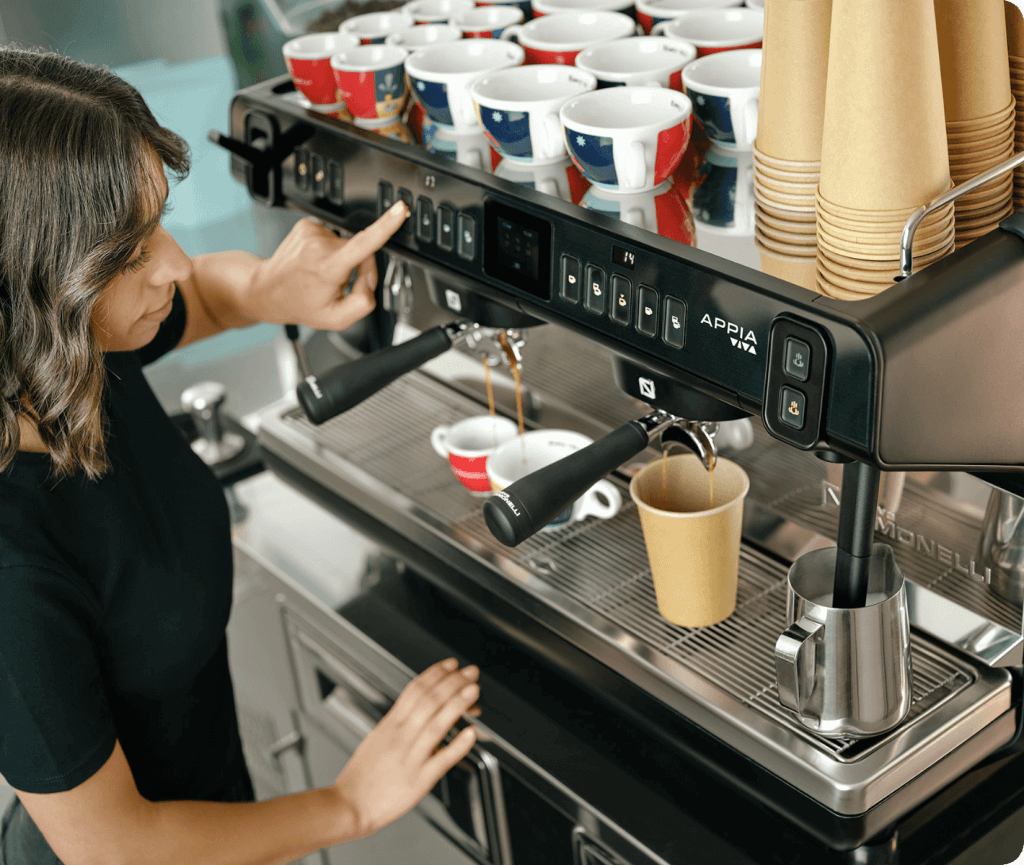
In a well-run specialty café, cleaning isn’t something you leave until the end of the shift, it’s part of the daily workflow. Every coffee is a moment for the barista to keep things in order: flush the group, wipe down the portafilter, tidy the station.
This approach stops mess from building up and keeps performance consistent throughout the day. Just as importantly, it affects speed. A barista working in a clean environment makes fewer wasted movements and gets through orders faster.
Professional cleaning products as part of coffee quality
A specialty café doesn’t reach for whatever cleaning product is closest to hand. The equipment runs at high temperature and under pressure, so it needs dedicated products.
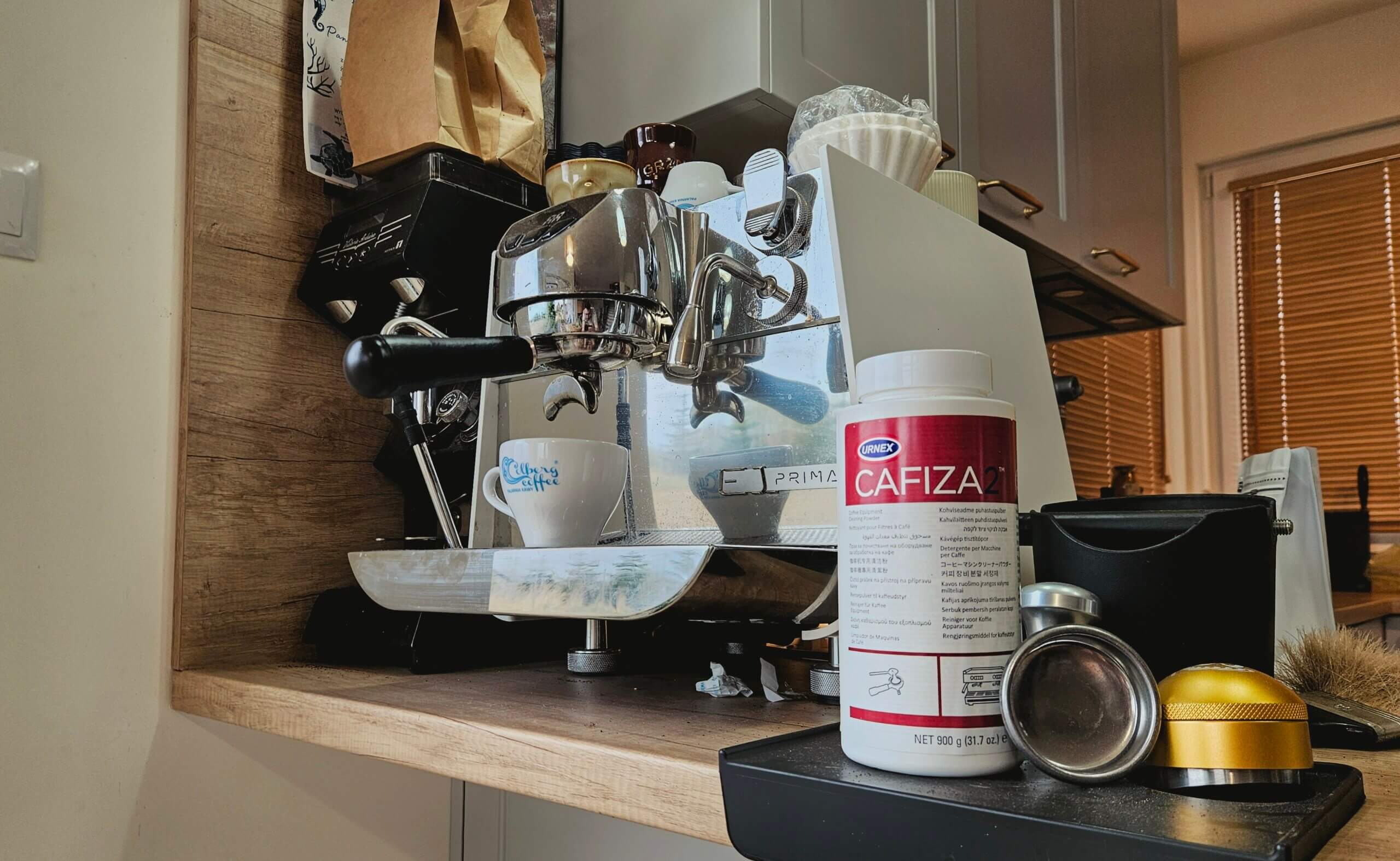
For cleaning the espresso machine and doing a backflush, the standard is a product like Cafiza, which effectively removes the coffee oils and residue that affect the taste of your espresso. For working with milk, a Rinza-type product is essential, designed for cleaning jugs and milk systems.
Using the right products regularly doesn’t just improve the taste of the coffee, it also extends the life of your equipment and cuts the risk of breakdowns.
What does specialty actually mean today?
The definition of specialty coffee keeps evolving. The 2004 scoring form was replaced in 2024 by the Coffee Value Assessment, and the score is now just one of four separate assessments rather than the whole definition. You’ll find the details in our article Specialty coffee: what it means now that 80 points is no longer enough.
A clean workstation, and how it affects the team’s speed and comfort
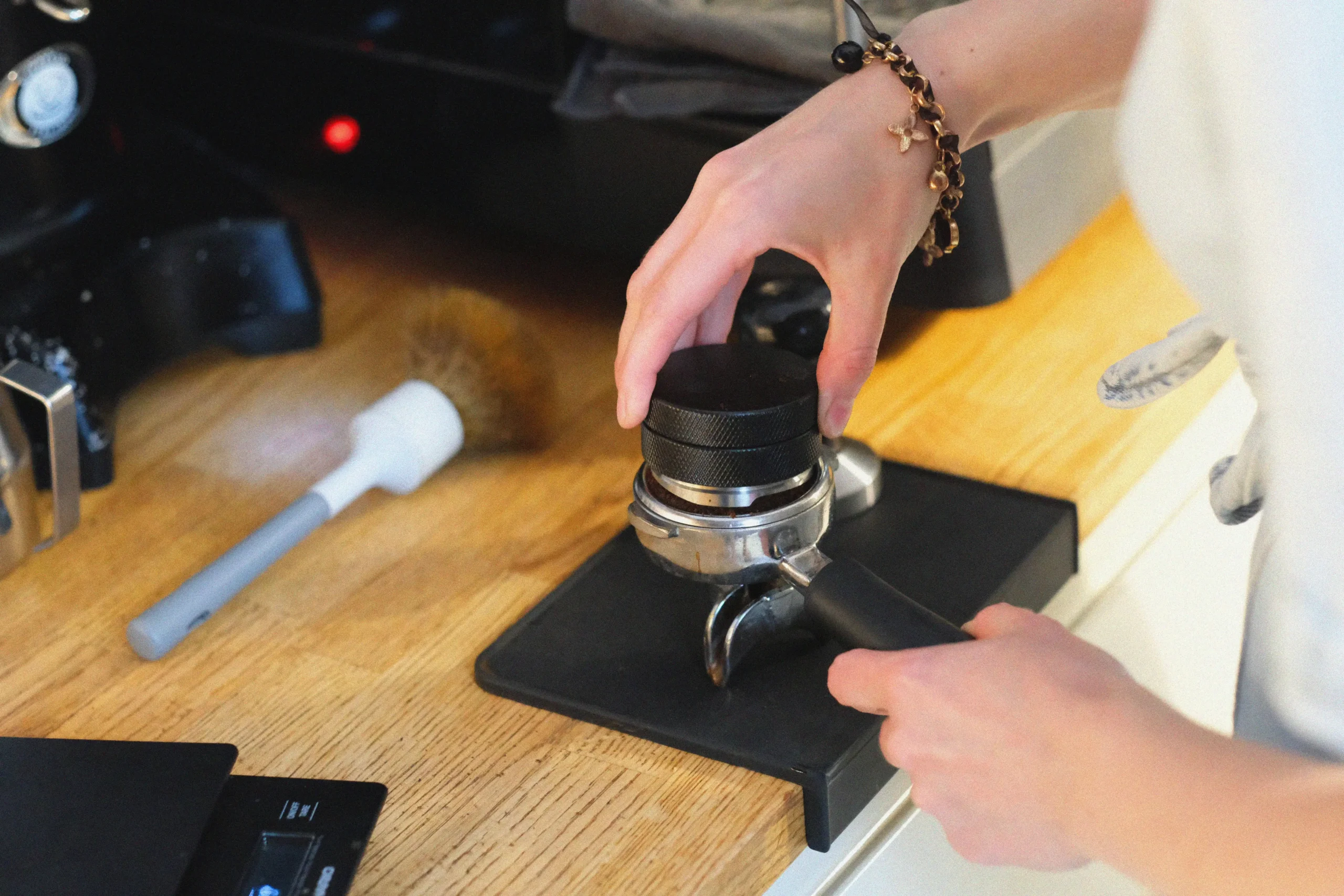
A barista’s station should be designed to support the work, not get in the way of it. Dirty counters, spilled coffee grounds or tools left scattered around create chaos and slow down service.
In practice, a clean station means more control over the process. The barista knows where every tool is, doesn’t lose time tidying up mid-shift, and can focus on the quality of the drink.
It’s also something customers notice. A tidy bar builds a professional image and shows that the café cares about the details.
A cleaning system for your café: keeping the standard every day
The biggest mistake in a lot of venues is not having a clearly defined cleaning system. Without one, standards slip quickly and the quality of the work drops with them.
A well-organised café works from a simple split: tasks done after every coffee, tasks done during the day, and tasks done at the end of the shift. That way cleanliness is maintained continuously, instead of being “fixed” at the end of the day.
Getting the whole team on board matters just as much. Every barista should understand that cleanliness isn’t a chore, it’s part of the product’s quality. It’s exactly this kind of consistency that separates an average venue from one that keeps its standards high over the long run.
Cleanliness in a specialty café: frequently asked questions
How often should you clean an espresso machine?
Basic tasks, like flushing the group and wiping down the portafilter, should be done continuously, practically after every coffee. A full clean, including a backflush with a Cafiza-type product, should be done daily at the end of service.
Why does clean equipment have such a big impact on the taste of the coffee?
Coffee oils build up in the machine and grinder, and over time they turn rancid and affect the taste of the brew. Even the best coffee can taste bitter and heavy if the equipment isn’t cleaned regularly.
What should you use to clean milk jugs and milk systems in a café?
Specialist products such as Rinza are used for anything that comes into contact with milk. They remove the milk residue and fats that affect both the taste of the drinks and workplace hygiene.
Does a clean station really affect how fast you work?
Yes. An organised station cuts out wasted movement and speeds up drink preparation. A barista working in a clean environment works faster and makes fewer mistakes.
How do you keep a high standard of cleanliness across a team?
The key is a clear system: a split between tasks done continuously, during the day and after closing. Every team member should know their responsibilities and understand that cleanliness has a direct effect on the quality of the coffee.
