Uganda is showing up more and more in the specialty coffee world as one of Africa’s most interesting origins. For years the country was associated mainly with robusta, but today high-quality arabica grown at altitude is drawing increasing attention too.
Ugandan coffees can combine African fruitiness with a fuller body and deeper sweetness, which makes them distinctive and clearly recognisable in the cup.
| Country | Uganda |
| Regions | Mount Elgon, Rwenzori, West Nile |
| Growing altitude | 1,200-2,200 m a.s.l. |
| Process | Washed, natural |
| Profile | Chocolate, forest fruit, spice |
What makes Ugandan coffee stand out?
Ugandan coffees very often combine African fruitiness with a fuller body and a creamier character. Compared with very light Ethiopian coffees or intensely juicy Kenyan ones, Uganda can feel deeper and heavier in the cup.
In the cup you’ll often find notes of chocolate, red fruit, spice and a delicate sweetness reminiscent of dried fruit.
Why is Uganda becoming more important in specialty coffee?
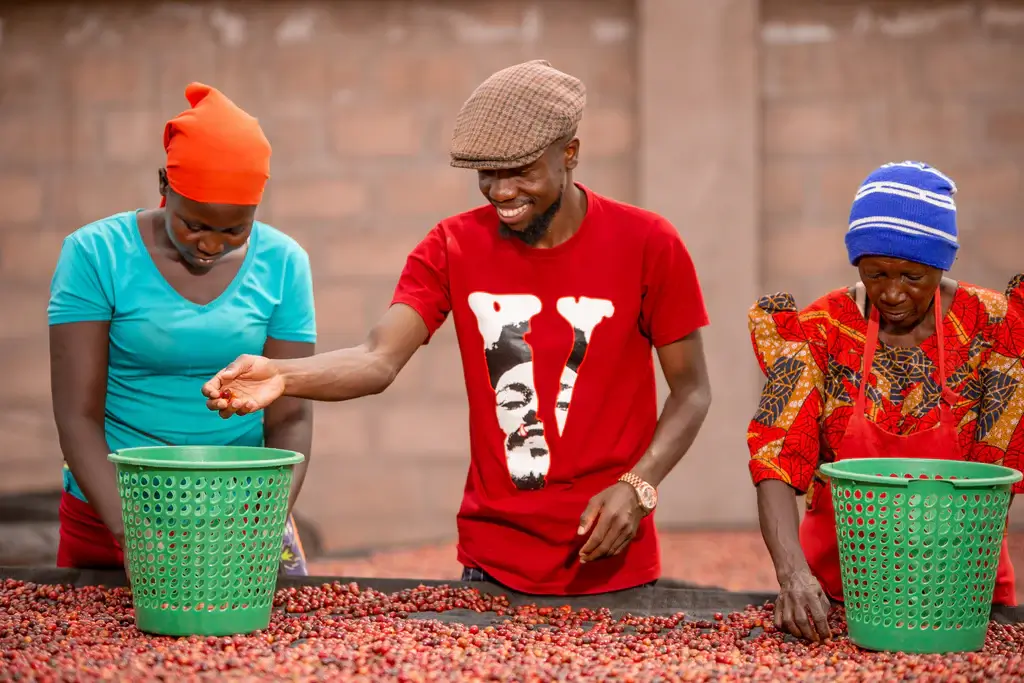
For many years Uganda was known mainly for robusta production, but the growth of small farms and washing stations means quality arabica is now attracting more and more attention too.
High-altitude farms around Mount Elgon and fertile volcanic soil create very good conditions for producing more complex, clean specialty coffees.
| Trait | Characteristic |
|---|---|
| Sweetness | Medium to high |
| Acidity | Medium, fruity |
| Body | Fuller, creamy |
| Aftertaste | Long, sweet |
Arabica and robusta in Uganda
Uganda is one of the few African countries that produce both high-quality arabica and robusta. Robusta still makes up a large share of production, but specialty coffee from Uganda is increasingly built on arabica from high-altitude farms.
That’s exactly why Uganda can combine a fuller body and deeper character with African fruitiness.
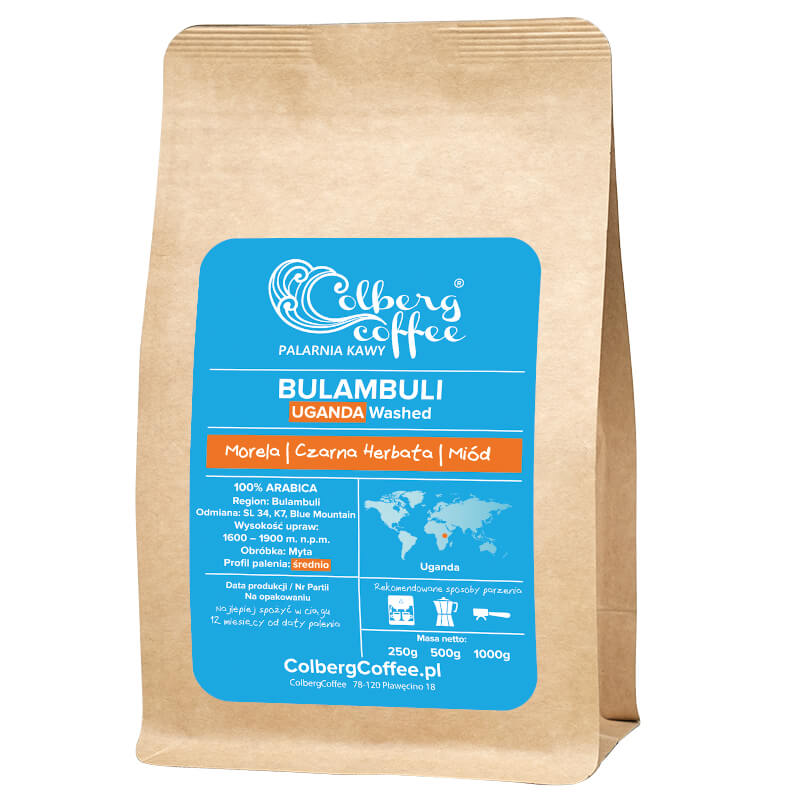
An example of Ugandan coffee: Uganda Bulambuli
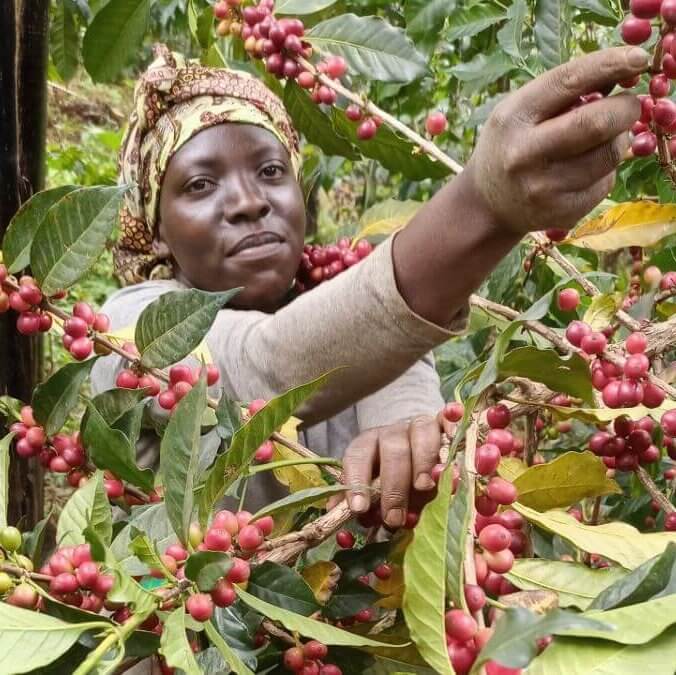
Uganda Bulambuli, one of the coffees in our range, is a great showcase for the modern face of Ugandan specialty coffee. It comes from the Bulambuli region, where the farms sit at 1,600-1,900 m a.s.l., letting the beans develop more complexity and sweetness.
The coffee is washed at the Ibero Uganda station, which keeps the profile clean and well defined. In the cup you’ll find notes of apricot and honey, alongside a pronounced black tea character that gives the coffee an elegant, slightly tea-like quality.
Uganda Bulambuli is roasted medium, so it works well in espresso, a moka pot and a French press. It shows a creamier, sweeter and more mellow side of African specialty coffee, while still keeping clear fruitiness and character.
Who is Ugandan coffee a good choice for?
It’s a great direction for anyone who likes African coffees but wants something less intense than Kenya or Ethiopia. Uganda suits people looking for a fuller body, more sweetness and a creamier character.
| Region | Characteristic | Flavour profile |
|---|---|---|
| Mount Elgon | The best-known specialty region | Fruit, sweetness |
| Rwenzori | Higher-altitude farms | Chocolate, balance |
| West Nile | Increasingly modern farms | Spice, fruit |
Ugandan coffee in summary
Ugandan coffees show a creamier, deeper side of African specialty coffee. Full body, sweetness and a fruity character make Uganda one of the more interesting origins for anyone looking for a more balanced African cup.
Ugandan coffee: frequently asked questions
What does Ugandan coffee taste like?
Ugandan coffees are sweet, creamy and more chocolatey than many other African coffees.
Does Uganda produce arabica?
Yes. Although Uganda is known for robusta, quality specialty arabica is becoming increasingly important there too.
Is Ugandan coffee acidic?
It usually has a medium, pleasant acidity combined with a fuller body and sweetness.
Which brewing methods suit Ugandan coffee?
It works well both as espresso and with filter methods.
Who is Ugandan coffee best suited to?
Anyone who likes a creamier, sweeter profile in an African specialty coffee.
