

Matcha was supposed to be green gold: a symbol of health, Instagram and modern cafés. Instead, Japanese plantations can’t keep up with production, prices keep climbing, and cheaper substitutes are flooding the market. We feel it too. It’s getting harder to order both ceremonial matcha and traditional first-harvest matcha. This isn’t a theoretical problem. It’s happening right now.
Social media, health claims and tourism: what’s behind the matcha craze?
Matcha really is green gold, and not just because it photographs well. Younger drinkers love it for the colour, the endless matcha latte variations, and the promised health benefits. Analysts say the global matcha market was worth around $4.3 billion in 2023 and is set to grow past $7 billion by 2030. A drink that used to be a niche infusion in Japanese temples now ends up under baristas’ chasen whisks all over the world. But the matcha boom has a downside: the product is starting to run out.
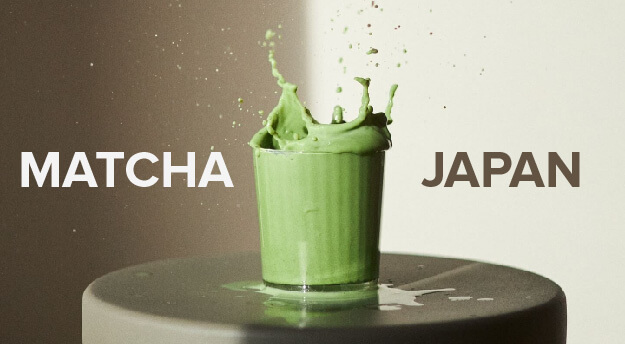
Japan can’t keep up: what happened to the matcha supply?
Japanese farmers have long been seen as the masters of matcha production, and with good reason: between 2010 and 2023 they almost tripled output. But record heat in recent years has held back tencha (the base leaf for matcha), and yields have dropped sharply. Japan harvested 5,336 tonnes of tencha in 2024, a record, but Kyoto’s first 2025 harvest came in at just 460 tonnes, only 87% of the previous year. As a result, prices at Kyoto auctions jumped to an average of 14,333 yen per kilogram, up 265% on 2024.
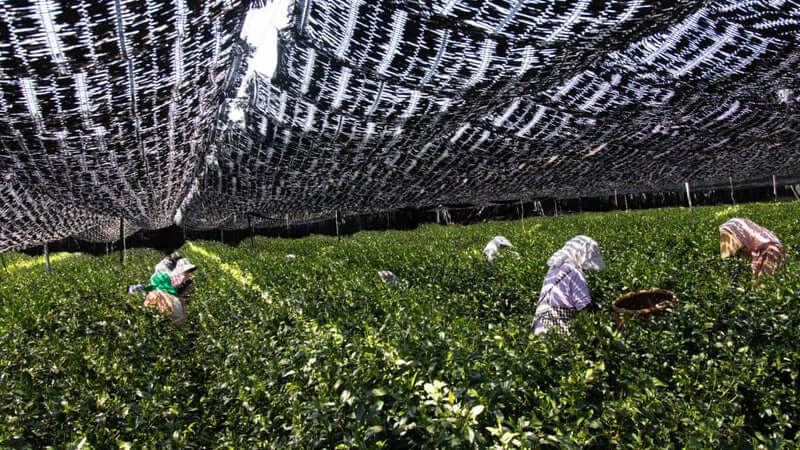
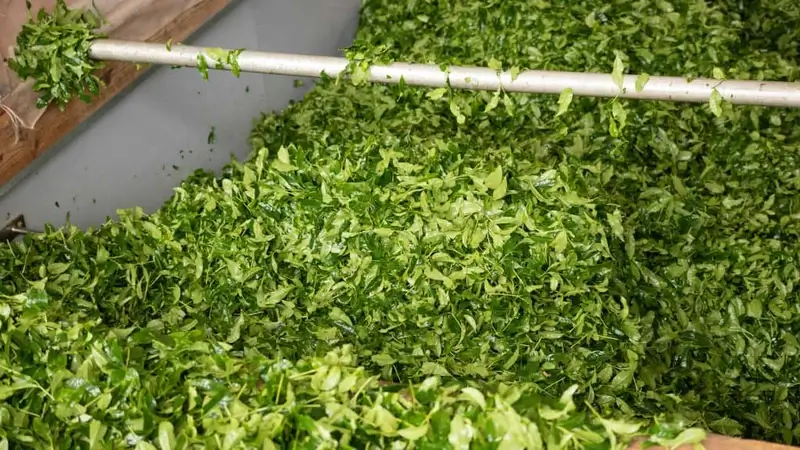
Demand, meanwhile, keeps growing at breakneck speed. Social media, pistachio matcha latte recipes and record tourist numbers in Japan are all fuelling the trend. Farmers point out just how labour-intensive production is. Bushes are shaded with special mats to slow growth and raise L-theanine levels. Leaves are picked by hand and steamed almost immediately, sometimes for barely a few seconds, to lock in the colour and aroma, then dried and ground in granite mills. On top of that, farmers are ageing: the average grower is over 65, and there’s no rush of successors to take over the fields. All of this makes it hard to scale up supply without risking quality.
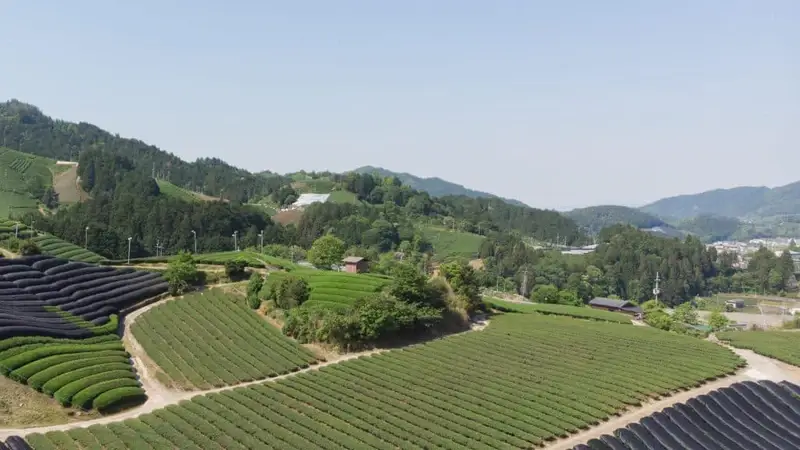
What makes Japanese matcha so distinctive?
Hundreds of green powders are sold around the world, but only a small share genuinely deserves the label “ceremonial matcha.” Interestingly, Japan doesn’t actually use the Western terms “ceremonial grade” or “culinary grade.” Quality there is judged by colour, aroma and taste. The best matcha has an intensely green colour, a faintly sweet smell and strong umami. That comes from specific growing methods: bushes are shaded for several weeks to raise chlorophyll and amino acid levels, only the first leaves of the spring harvest are used, stems and veins are removed, and the dried leaves are ground slowly in stone mills. Every batch is small. Hand-picking limits the scale of production, but it guarantees a velvety texture and no bitterness.
What about matcha from China, Vietnam or Kenya?
With Japanese shops rationing sales, plenty of cafés are looking for alternatives. On paper it looks promising: China is now the world’s biggest green tea producer and makes over 10,000 tonnes of matcha a year, more than twice as much as Japan. Tongren, in Guizhou province, is even home to the “World Matcha Super Factory,” said to be the largest matcha plant on earth, backed by modern plantations grown to EU standards. The numbers are impressive, but…
…the question is what happens to quality. That’s where it gets patchy. Industry reports say Chinese matcha is often made without traditional shading, and the leaves are ground on fast mills, which spoils the flavour. Vietnam, India and Kenya have similar issues: they do grow green tea, but they lack the hand-picking tradition and centuries of experience. Many of these regions also grow a different variety of the tea bush (Assamica rather than the Japonica type), which produces a more bitter powder. That’s why baristas are warned about so-called “fake matcha”: powder that’s too yellow, clumpy and missing that umami note.
Modernisation or tradition?
Some experts think Japan should modernise. The government is already subsidising farmers who switch from growing sencha tea to tencha. Meanwhile, China and Vietnam are building fast-grinding lines and automated shading systems. But specialists at the Global Japanese Tea Association warn that mass production could hurt quality. The likely result is a market that splits into “premium” and “mass-market” matcha, with wealthier buyers sticking to the Japanese product and everyone else settling for cheaper powder from other countries.
What this means for roasteries and cafés
If you run a café or a roastery, you’re probably facing the question: stick with expensive Japanese matcha, or look for alternatives? My view, as someone who runs both a café and a roastery, is that quality is worth paying for. Customers really do notice the intense colour, the creamy texture and the umami notes that can’t be faked. Sure, you’ll find cheap “matcha blends” from China or Vietnam, but that’s a bit like an espresso made from pure robusta: still coffee, technically, but something is missing.
At the same time, there’s no need to treat this as a tragedy. Matcha isn’t the only green drink around, and the craze for it may well fade eventually. For now, let’s enjoy the growing interest in tea and support the farmers who put real care into the quality of the leaf. That’s it from me. Time for a filter coffee.
FAQ: the matcha shortage
How big is the global matcha market?
In 2023 it was worth around $4.3 billion, and it’s projected to grow past $7 billion by 2030.
Why is Japan running short of matcha?
Record heat, falling tencha yields and an ageing farming population are the main causes. Production simply isn’t keeping up with demand.
How have matcha prices changed in 2025?
At Kyoto auctions, prices rose to over 14,000 yen per kilogram, up 265% on 2024.
Can China and other countries replace Japan?
They’re producing more matcha every year, but often without traditional shading or hand-picking, which lowers the quality of the powder.
What sets real Japanese matcha apart?
An intensely green colour, a faintly sweet aroma and pronounced umami. It’s made from the first leaves of the harvest, ground in stone mills.
How is the matcha shortage affecting cafés and roasteries?
Ordering both ceremonial and traditional first-harvest matcha is getting harder. It’s a real problem, and one we feel here in Poland too.
