We all love that morning routine: you get up, pull an espresso, catch the smell, and life gets a little easier. But behind that small ritual is a story we rarely think about. How much of the few euros we pay for a cappuccino actually reaches the person who grew it in Ethiopia, Colombia or Brazil? Spoiler: not much. I went through the reports, talked to a few specialists, and pulled together numbers that might put you off buying coffee out. Or, just as easily, push you towards smarter choices.
Coffee in the cup, pennies for the farmer
Let’s start with the blunt statistic. Polish industry reports suggest a farmer gets just 5 to 20 Polish groszy, a few euro cents, from each cup sold here in Poland. Other sources put it at around 1% of the retail price: if you pay $4 for a coffee, the farmer gets about $0.04. Even in markets where coffee costs more, farmers rarely get beyond bare subsistence.
Most coffee farms are tiny: 95% of them are under 5 hectares. Farmers often work alongside their families without counting their own labour, because the numbers would look grim otherwise. As Andrea Olivar from the Solidaridad network puts it, even when green coffee prices rise, most smallholders still don’t turn a profit.
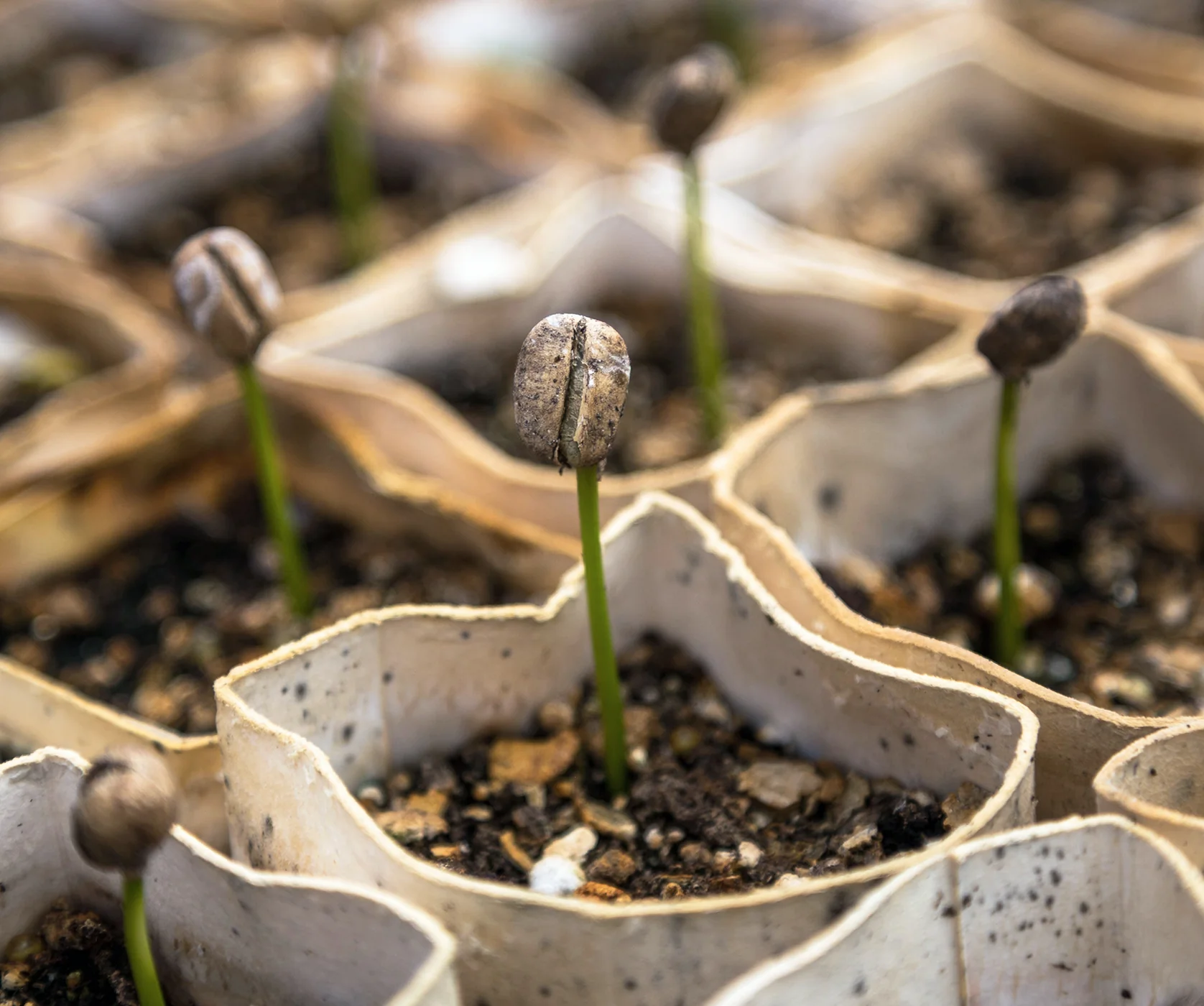
The supply chain: where does the money go?
So where does the money actually go? The report “The Grounds for Sharing” breaks down the price of a kilogram of coffee. Around 20% of the value stays with producers, which is actually more than earlier estimates suggested. But roasters take 21%, and retailers take 22%. Another 35% is swallowed up by taxes, export costs and transport.
On top of that, the value of family labour mostly isn’t priced in at all. According to the same report, a farmer nets an average of €0.41 per kilogram of coffee. And we’re talking about a product that can change hands several times before it reaches a shelf.
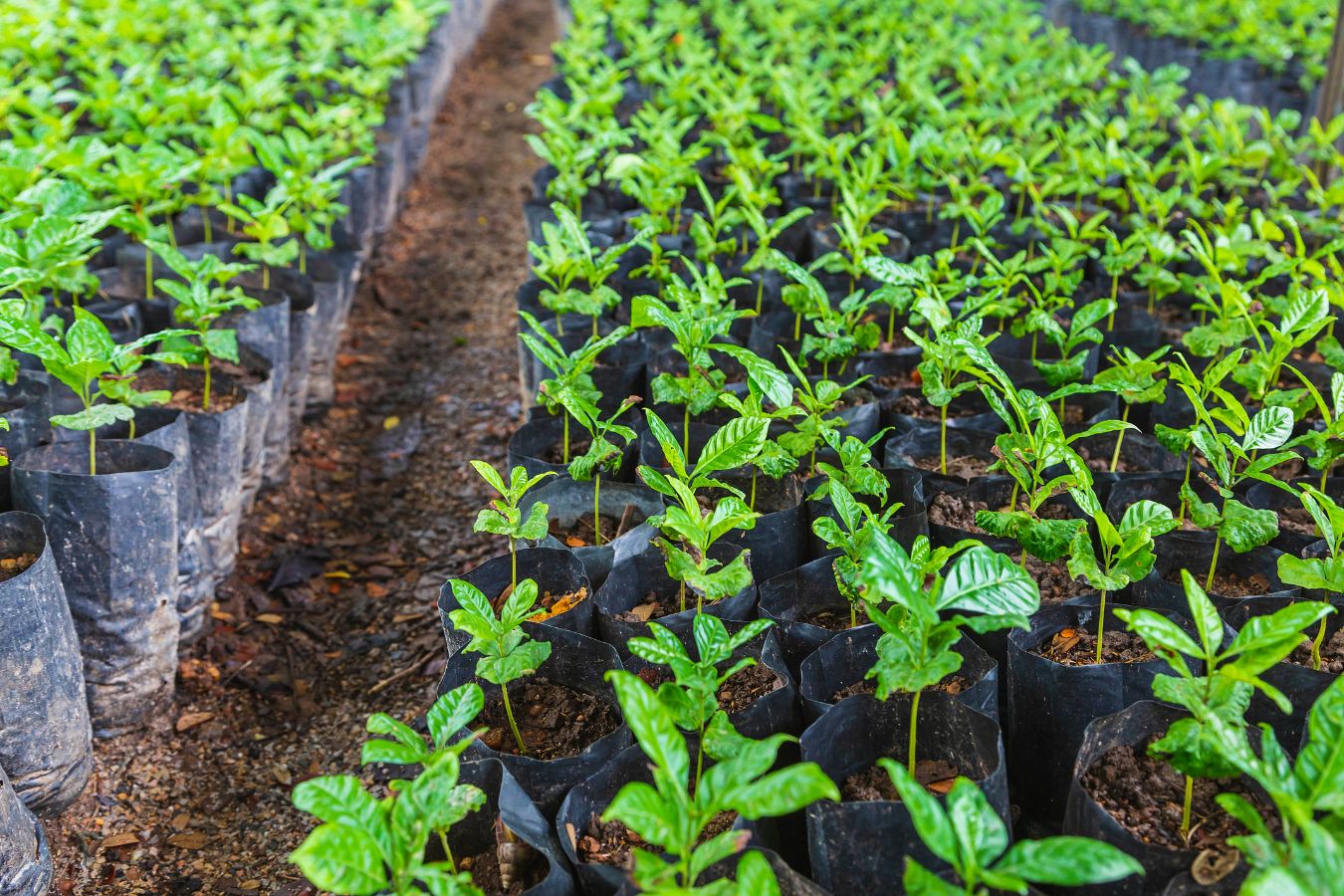
When coffee gets more expensive: 2025 prices
Coffee kept setting new records this year. February 2025 brought a historic high of 440.85 US cents per pound of green arabica, almost $9.70 per kilogram and over 100% up on the year. Over five years, green coffee has become four times more expensive. Robusta, the so-called “lesser” variety, also hit a record of $5.80 per kilogram. Trading Economics reported that in early September 2025, arabica was trading above 401 US cents per pound, 62% higher than a year earlier.
Why such steep prices? It all added up: droughts and fires in Brazil and Vietnam, new EU anti-deforestation rules that pushed up export costs, and logistical and geopolitical problems. Demand keeps rising while supply falls: a textbook recipe for higher prices.
Does that mean more money for farmers? Unfortunately not. In some countries, such as Guatemala and Honduras, farmgate prices rose 70 to 85% in line with the market, but in Ethiopia they actually fell. In Nicaragua, farmers only saw a 39% increase because local buyers ran short of capital. Often, a higher market price barely covers the rising cost of fertiliser, transport and energy.
Fair trade: a beautiful idea, a difficult practice
Certifications like Fairtrade and Rainforest Alliance are meant to improve conditions for growers. Fairtrade guarantees a minimum buying price and premiums for community projects. But certification is expensive, and not every farmer can access it. And even fair trade doesn’t fix the whole problem: we’re still in a world where the profit margin grows the closer you get to the consumer.
Plenty of roasters today favour direct trade: buying straight from farmers. It shortens the supply chain and allows for a fairer price. But that model takes time to build relationships and trust, and a small importer isn’t always able to operate at that scale.
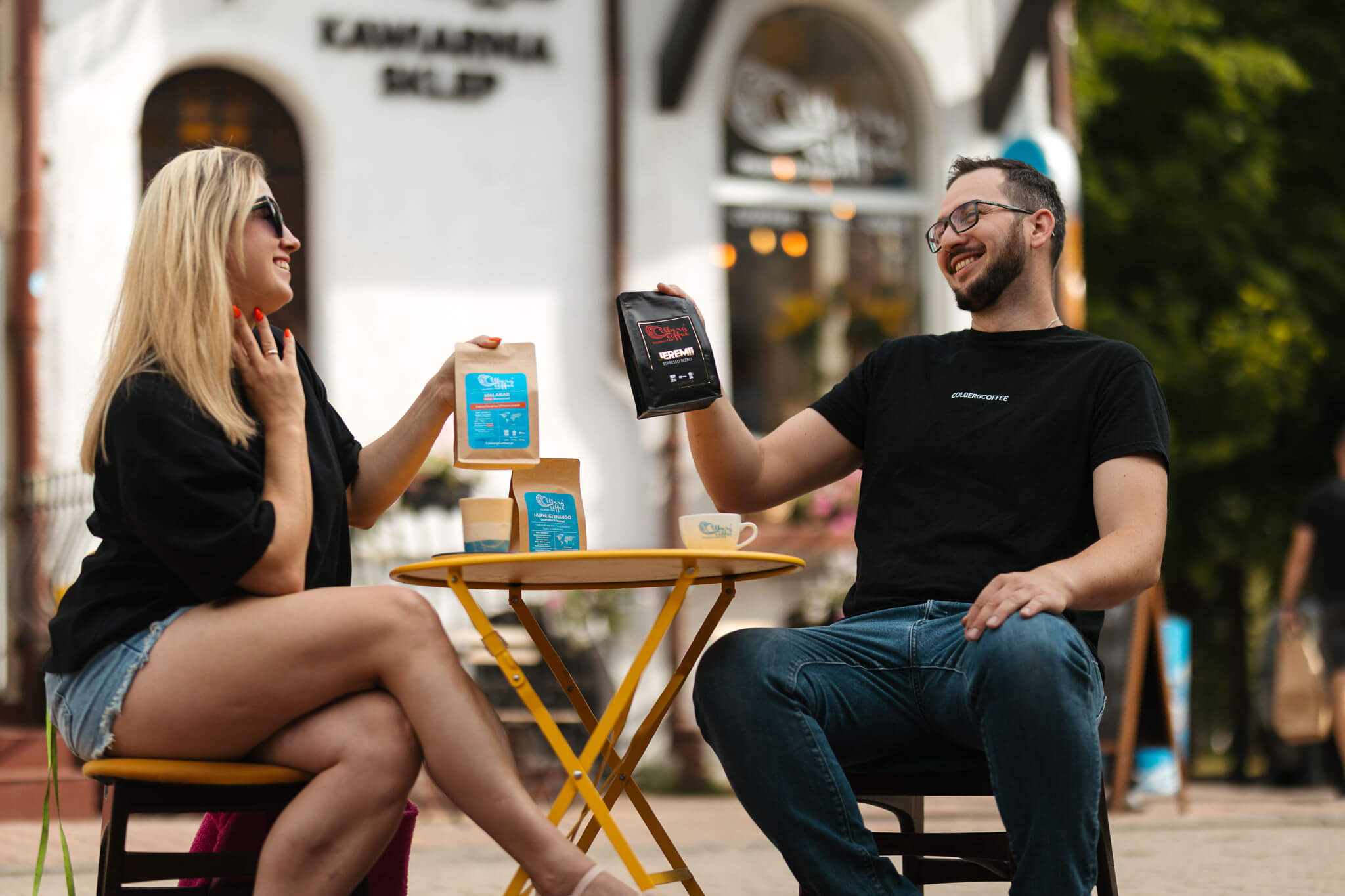
What can we do? Making an informed choice
If you want more of the money from your coffee to reach the farm, you have a few options:
-
choose coffee with a Fairtrade certificate, or from roasters working on a direct trade model
-
ask baristas where the beans come from. A good barista will tell you about the cooperative or farm, not just wave around a trendy name
-
buy from local roasters who are open about what they pay for green coffee. It might cost a little more, but that money goes back to the farmers
-
support initiatives that educate people about responsible coffee consumption
The world of coffee is more than trendy cups and latte art. Behind every cup is a person, a family, a community. If fair trade matters to you, it’s worth thinking about where the coffee beans actually come from and who profits from them. In the end, good coffee isn’t just about taste. It’s also about knowing that nobody was shortchanged along the way, and that, let’s be honest, tastes best of all.
