Coffee prices are going wild, so what’s happening on the market? Not long ago we were grumbling about pricey electricity and sugar, and now coffee has joined the race to the top. If you feel like you’re paying more and more for a bag of your favourite beans, you’re right to feel that way, unfortunately. Worse still, everything points to this being just the start of the bitterness (and not only the kind you taste in an espresso). Here’s what’s happening with coffee prices.
Coffee prices are surging again, and there’s no end in sight
Coffee prices on world markets are smashing historical records. In recent months, arabica futures have broken through 400 cents ($4) a pound, which makes green coffee the most expensive it has been in almost 50 years: prices haven’t been this high since 1977. We’ve already written about how little of that money actually reaches the farmer who grows the coffee, worth a read.
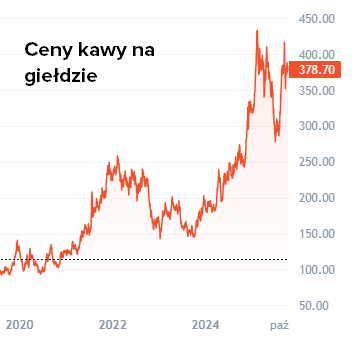
Just a year ago, coffee cost under $2 a pound, and six months ago it was around $2.30/lb. Today it has broken through $4 a pound, which is nearly 100% more than a year earlier. Yes, green coffee has doubled in price in 12 months, and that’s an absolute shock for the industry.
Where has such a drastic rise come from? Just look at the chart from the last few years. The coffee market has had its ups and downs since 2020, but what’s been happening since late 2024 is a rally with no brakes. After a brief drop in demand during the pandemic, followed by a sharp rebound, a new wave of turbulence arrived.
From winter 2024 to spring 2025, prices shot up like a rocket, reaching the highest levels in decades. The coffee market has gone completely haywire, and consumers, us included, are starting to feel it in our wallets.
Why are coffee stockpiles shrinking?
What’s driven this coffee price storm? There are several reasons, and they’ve piled up and fed off each other to spin the spiral of price rises. Here are the main factors:
Terrible weather in the producing countries. Nature showed no mercy to coffee farmers. Brazil struggled through one of the worst droughts in its history, and Vietnam, the world’s second-largest coffee supplier, was hit by weather extremes too: droughts and floods, take your pick. The result? Harvests fell sharply and global coffee supply shrank hard.
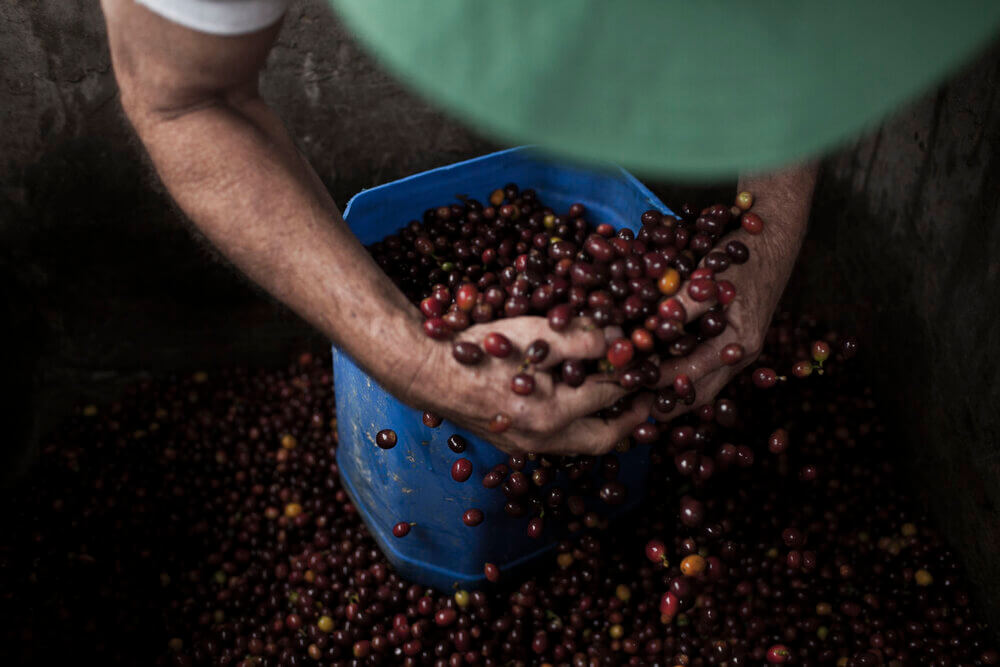
Historically low bean stocks. Producers and exporters are selling off everything they can while prices are at record highs. In Brazil, farmers had sold almost 90% of the 2024 harvest well before the next season even started, leaving warehouses close to empty. “We’ve never had stocks this low at this point in the year,” Brazilian coffee traders admit. In other words, coffee is starting to run short right here, right now.
Global appetite for coffee keeps growing. Demand for a cup of coffee isn’t slowing down, quite the opposite: the world has gone coffee mad. Despite the high prices, we’re drinking more coffee than the world can produce, which is driving a deficit. Forecasts suggest that in 2025, for the fourth time in six years, global coffee consumption could outstrip the global harvest. With plenty of buyers and not enough beans, prices only go one way.
Nerves on the exchange and a domino effect. Once the market sensed the shortages coming, panic set in. Importers scrambled for whatever beans were still available, buying up coffee to top up their shrinking warehouses. That, of course, pushed prices even higher: a classic spiral.
Political factors added fuel to the fire too: talk of new tariffs on coffee (in the US, for example), and the EU spooked the market with plans for strict sustainable-production certification from 2025. Although the EU rules were put on hold, the announcement alone was enough, and plenty of players rushed to stock up “just in case.” Every such headline set off a short bout of panic and added another brick to the wall of rising prices.
In short, the climate for coffee, both the weather and the business kind, turned properly tropical: hot and stormy.
What does this mean for supermarket coffee?
This coffee turmoil hit small, artisan roasteries first, ours included. Anyone buying high-quality beans on an ongoing basis is already grappling with rising costs. Many independent roasters raised their prices early, trying to keep pace with green coffee getting more expensive by the week. The truth is that specialty roasteries pay more for their beans than the big corporations do (because they often buy better varieties and pay quality premiums), so the exchange rises hit them immediately.
If you thought this only affected the pricier end of specialty coffee, there’s an unpleasant surprise coming.
A wave of price rises is coming for supermarket coffee, the everyday stuff from the shop shelf and the capsules that go in pod machines. The big producers have managed to cushion the blow so far thanks to contracts and stockpiles, but they won’t hold out much longer at these raw material costs.
The first effects are already visible. In Europe, popular brands such as Jacobs, Melitta and Senseo have raised their coffee prices by tens of percent within just a few months.
Analysis of the German market shows that since the start of 2025:
-
ground coffee and pods have gone up 9-33%,
-
whole bean coffee is up as much as 43%,
-
even supermarket own-brand coffee has risen by around 30%.
In other words, it’s not just the coffee equivalent of a premium car that’s getting pricier, the budget option is climbing too.
And what about capsules and the big chains? The trend is the same. Even giants like Starbucks and Nespresso are raising prices. Last year Starbucks put its coffee prices up by double digits, and Nespresso has announced a capsule price rise from around $1.30 to $1.45 apiece.
In short, cheap coffee may soon stop being cheap. In the shops, even the cheapest bags already cost noticeably more than a few years ago. In Germany, a basic ground coffee went from €2.99 to €5.49 for a 500 g bag (an increase of 84%).
It’s hard to expect things to be any different elsewhere. Your morning coffee from the supermarket is going to hit your wallet too.
Watch out for fake “bargain” coffee
It’s already starting. Coffee from the biggest brands is being counterfeited, and not in the sense that it just tastes worse: in some cases it isn’t coffee at all. More and more often, cheap “deals” turn out to contain packs where part of the beans are actually roasted peas or grain. Yes, you read that right: peas. It made headlines when a TikTok user (@kapuczinaekspresy) posted a video about counterfeit Lavazza coffee.
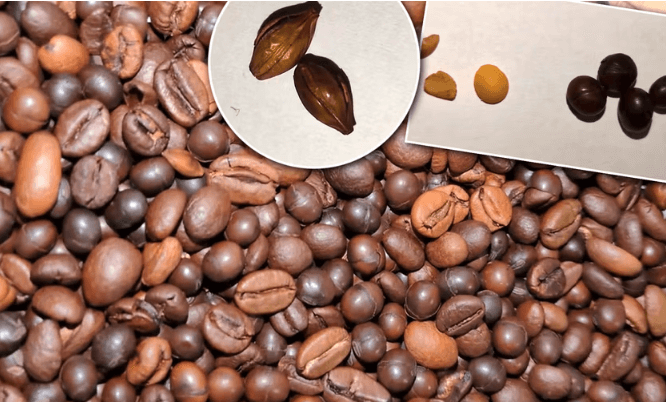
These “blends” don’t just taste awful, they can also wreck your machine and your grinder. Cheap coffee from an unknown source, a “bargain” from Facebook, or a suspiciously cheap deal at the market is often a scam and nothing more than a quick buck.
Be careful what you buy. Stick to trusted sources, ideally a local roastery you know and can rely on.
Good coffee can come in many forms, but it should never be suspiciously cheap.
Is this the end of cheap coffee?
So how will this play out? Will coffee just stay this expensive from now on? Is this the end of cheap morning coffee as we knew it? Opinions are split, though the forecasts don’t leave much room for optimism. Some analysts think things could calm down a little if the weather cooperates. If Brazil and other producing countries bring in a good harvest, supply should recover and prices might ease off somewhat. There’s talk that arabica prices could fall by 20-30% by the end of 2025, provided the harvests in Brazil and Vietnam actually improve. That’s a big “if” though. The coffee market has played tricks on optimists before: it only takes one rumour of frost or drought for hopes of cheaper beans to collapse within days.
Realistically, we may just have to accept that coffee could stay expensive for a while yet. Is this a definitive end to cheap coffee? Quite possibly, at least until the climate settles down and warehouses fill back up. There is a silver lining in all this though (bitter as an espresso). It’s a good moment to appreciate quality and back a more thoughtful choice of coffee. Instead of chasing the cheapest coffee you can find, which may not stay cheap for long anyway, it’s worth seeking out beans that are genuinely good and reliable, from artisan roasteries. Better to enjoy a cup of excellent coffee than knock back litres of mediocre stuff to save a few pennies. At Colbergcoffee, we believe coffee is more than just a caffeine hit: it’s quality, passion and a considered pleasure. And even as prices rise, we can still give ourselves that, by choosing wisely. At the end of the day, it comes down to one thing: the coffee has to taste good, even if it costs a little more these days.
Frequently asked questions about coffee prices in 2025
Why has coffee gone up so much in price in 2025?
The main reason is drought in Brazil and Vietnam, the world’s two biggest coffee-producing countries. On top of that, there are historically low bean stocks and rising demand worldwide. As a result, raw coffee prices have almost doubled within a year.
Will coffee get even more expensive?
It looks that way. While some analysts expect the situation to improve, most forecasts suggest prices will stay high at least until the end of 2025.
When might coffee prices come back down?
If the weather improves and Brazil brings in a good harvest, we could see a modest drop in prices in the second half of 2025. But that’s a big “if”: the coffee market is extremely volatile.
Is it only artisan roastery coffee that’s getting more expensive?
No. While specialty roasteries felt the rises first, supermarket coffee and capsules are now going up too. In Europe, prices have climbed by as much as 30-40%.
How can you spot fake cheap coffee?
Watch out for suspiciously cheap deals online. Some “coffee” products contain roasted peas and grain, which can damage your machine. Only buy from trusted roasteries or shops with a solid reputation.
Where can you buy good coffee at a fair price?
The best option is buying directly from a roastery that roasts in small batches and guarantees freshness. At Colbergcoffee, you’ll find freshly roasted arabica and robusta beans from a reliable source, with a clear description of origin and flavour profile.
