














Matcha health benefits are often described online as if matcha were a miracle cure: detox, weight loss, immunity, glowing skin. Some properties of matcha’s compounds are supported by research, but many popular claims remain unproven. We have sold matcha for years and serve it in our café in Kołobrzeg, so we put together what is actually known about the health benefits of matcha, what is a myth and what to watch out for so you can drink it sensibly.
How is matcha different from green tea?
Matcha is tencha leaves ground into a powder. For several weeks before harvest the tea bushes are grown in shade, which raises the L-theanine and chlorophyll content of the leaves. The key difference, though, is this: with green tea you brew the leaves and throw them away, while with matcha you whisk the powder into water and drink the whole leaf. That is why a serving of matcha can provide more caffeine and catechins than a typical cup of green tea. The exact amount depends on the type of tea and how it is prepared.
The composition of matcha depends heavily on quality, harvest and producer. Keep that in mind with every number you read online, including in this article.
What is in a serving of matcha?
| Compound | What it does | Per 2 g serving |
|---|---|---|
| Caffeine | Stimulates, improves alertness | Roughly 40-90 mg, depending on the particular matcha |
| L-theanine | An amino acid studied for its effect on attention and stress | Depends on cultivation and batch, often higher in good first-harvest matcha |
| Catechins, mainly EGCG | Compounds with antioxidant activity, intensively studied in green tea | Depends on cultivar, cultivation and harvest |
| Chlorophyll | Gives the intense green colour, shading helps it build up | No proof that it cleanses the body |
| Vitamins and minerals | A serving is only 2 g, so most are present in small amounts. Vitamin K is the exception | Vitamin K: about 58 µg, roughly three quarters of the daily reference intake. Others in small amounts |
For comparison, a single espresso can contain about 60 mg of caffeine, depending on the coffee and recipe. We cover doses in more detail in how much matcha per day.
Matcha benefits that are backed by research
1. Focus and attention. The combination of caffeine and L-theanine may improve results in some tests of attention and reaction time. It is one of the best-studied mechanisms behind matcha’s compounds. The effect is small to moderate, depends on the dose and isn’t seen in every study, and most research tested the compounds themselves rather than matcha.
2. A lift that feels gentler for some people. L-theanine may affect how the body responds to stress, which is why some people find the lift from matcha calmer than from coffee. It is not certain that the L-theanine in a typical serving is responsible, or that everyone will notice it.
3. Antioxidants. Matcha provides catechins, above all EGCG. In laboratory studies they show strong antioxidant activity. In people, however, it is harder to turn this into specific health benefits, so treat matcha as part of a good diet rather than a medicine.
4. Heart and cholesterol. In a meta-analysis of 31 trials, green tea and green tea preparations lowered LDL cholesterol by about 4.5 mg/dl on average, which is a small effect. In Japan’s Ohsaki study of more than 40,000 people, higher green tea intake was linked to lower cardiovascular mortality. That is an observational study, though: it shows an association and does not prove that matcha prevents heart disease.
5. Metabolism. Catechins together with caffeine may slightly increase energy expenditure. In a Cochrane review, however, the effect of green tea preparations on body weight was very small and not clinically meaningful. Matcha won’t replace diet and exercise.
What is exaggerated? Matcha myths
- Detox and removing heavy metals: there is no evidence that the chlorophyll in matcha cleanses the body of toxins. That is the job of your liver and kidneys.
- Weight loss: there is no convincing evidence that drinking matcha on its own helps you lose weight. A sweetened matcha latte with syrup, on the other hand, can add a fair number of calories.
- Immunity from vitamins: there is no proof that matcha strengthens immunity. A serving contains little vitamin C, and the one vitamin it provides in quantity, vitamin K, has nothing to do with immunity.
- Sun protection and “anti-ageing” skin: matcha won’t replace sunscreen, and the evidence that drinking it affects your skin is weak.
- Treating depression: L-theanine has been studied in the context of stress, but matcha is not a medicine. Symptoms of depression need professional help.
What to watch out for when drinking matcha
- Caffeine: according to the European Food Safety Authority (EFSA), up to 400 mg of caffeine a day from all sources raises no concerns for most healthy adults, and up to 200 mg during pregnancy and breastfeeding. Count coffee and energy drinks too. Sensitive people may notice side effects at lower doses.
- Green tea extract supplements: in 2018 EFSA noted that supplements providing 800 mg of EGCG a day or more may raise liver enzymes. It did not establish an EGCG dose from extracts that is safe for everyone. Normal servings of matcha are not directly comparable with concentrated capsules.
- Iron: catechins may reduce the absorption of iron from plant foods. If you are low in iron, drink matcha between meals, ideally at least an hour away from iron-rich meals.
- Medicines: green tea can affect some medicines, for example by reducing the absorption of nadolol. People taking warfarin or other anticoagulants that require steady vitamin K intake should not suddenly change how much matcha they drink. If in doubt, ask your doctor or pharmacist.
How to drink matcha to get the most out of it
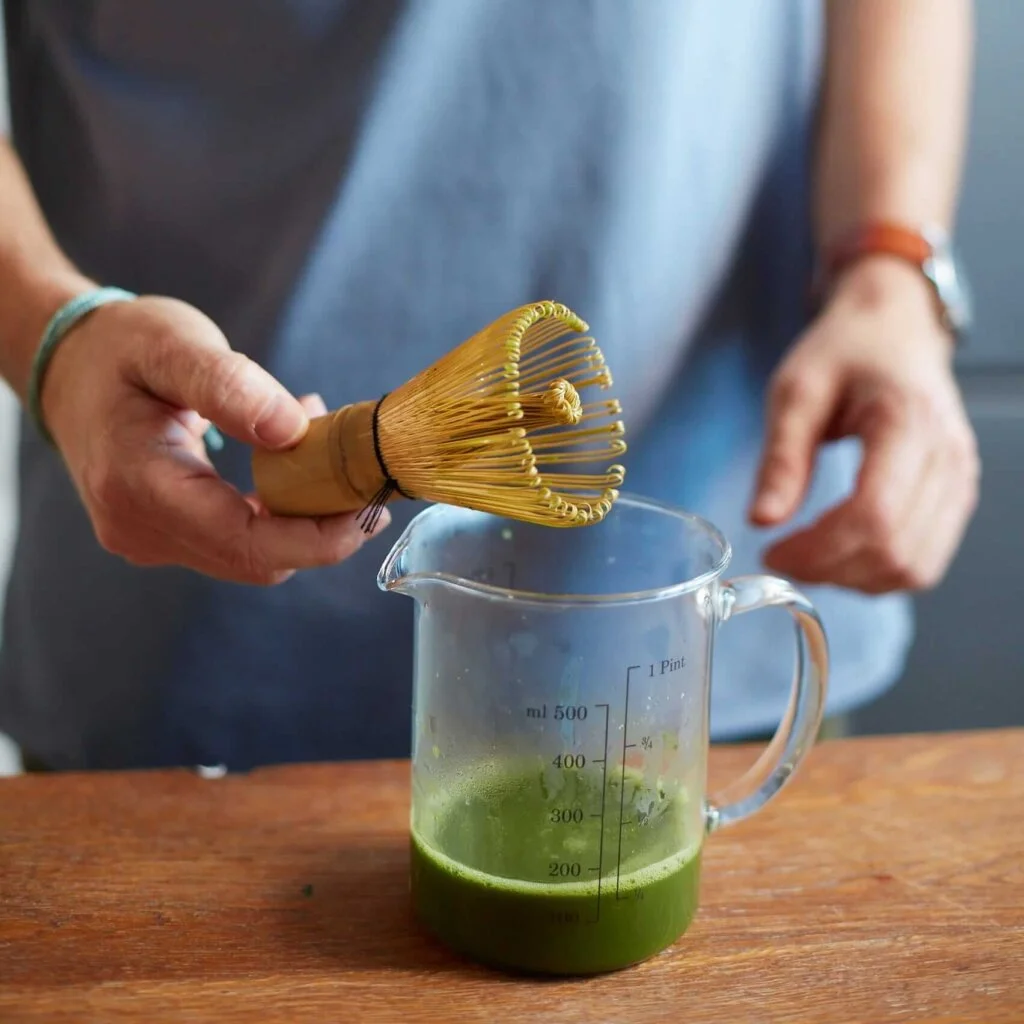
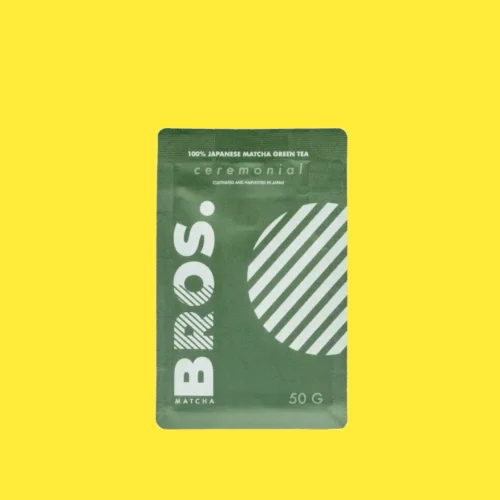
Start with good quality. Matcha sold as ceremonial usually has a gentler, sweeter taste and works well with water only. Bolder-tasting grades are more often chosen for milk drinks. For one serving, use about 2 g of powder and water at about 70-80°C, then whisk thoroughly with a chasen. That is a good starting point you can adjust to taste. We show it step by step in our matcha and matcha latte recipe.
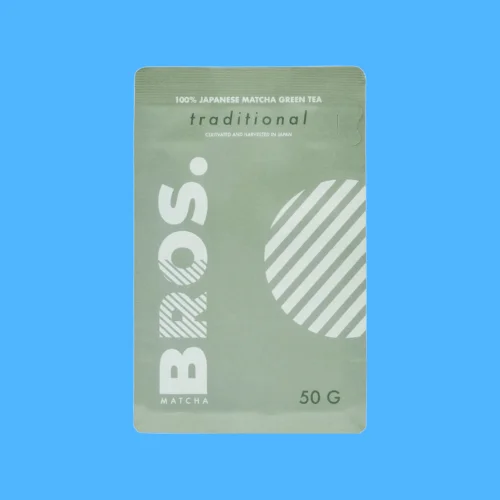
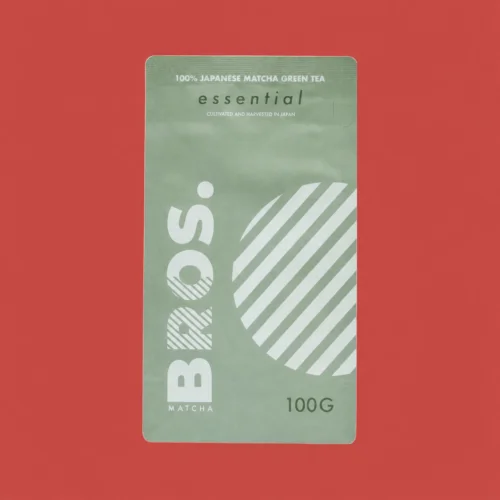
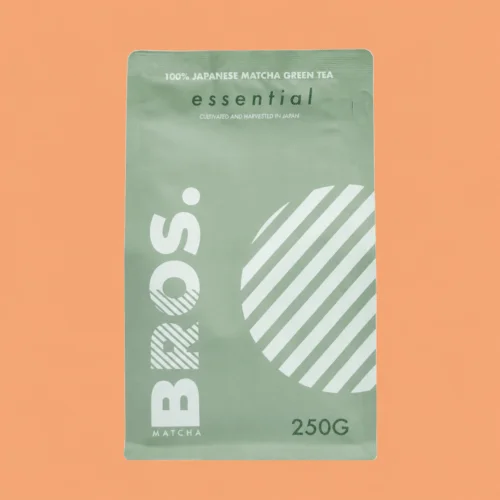
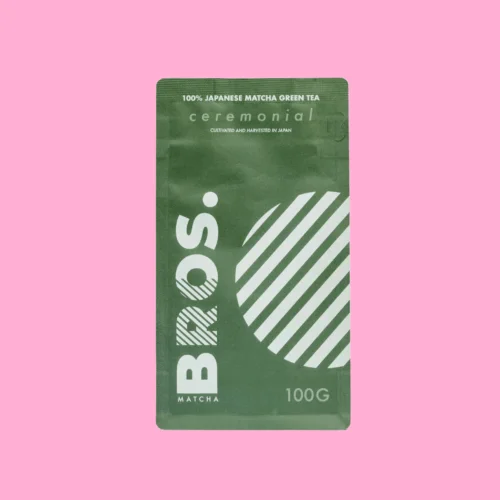
In our shop you will find Matcha Bros matcha: ceremonial matcha, traditional matcha and essential matcha for milk drinks, plus a bamboo chasen whisk. If you prefer a roasted, gentler-tasting drink, read how matcha differs from hojicha. Hojicha often has less caffeine per serving, but it depends on the tea and the preparation.

Sources
Kochman J. et al., Health Benefits and Chemical Composition of Matcha Green Tea: A Review, Molecules 2021, 26(1), 85. EFSA, Scientific opinion on the safety of caffeine, 2015. EFSA, Scientific opinion on the safety of green tea catechins, 2018.

What are the health benefits of matcha?
Matcha provides caffeine and L-theanine, which may affect attention and focus, and catechins, mainly EGCG. Studies on green tea point to a small reduction in LDL cholesterol, but they don’t prove the same effect from drinking matcha.
Is matcha healthier than coffee?
There is no clear evidence that matcha is healthier than coffee. Both provide caffeine and polyphenols. Matcha also contains L-theanine, which may affect how stimulated you feel, although the effect varies from person to person.
How much caffeine is in matcha?
Analysed samples of matcha contained about 19 to 44 mg of caffeine per gram. A 2 g serving is therefore roughly 40 to 90 mg, though some products may fall outside this range. That is comparable to a single espresso or more.
Does matcha help with weight loss?
There is no convincing evidence that drinking matcha on its own helps you lose weight. Catechins and caffeine may slightly increase energy expenditure, but in green tea studies the effect on body weight was very small.
Does matcha detox the body?
There is no evidence that the chlorophyll in matcha removes toxins or heavy metals. Cleansing the body is the job of the liver and kidneys.
Who should be careful with matcha?
People sensitive to caffeine, pregnant and breastfeeding women, people low in iron and people taking medicines that may interact with green tea compounds, especially warfarin. Concentrated green tea extract supplements call for particular caution.
Przeczytaj też

Caffè latte: what it is, ratios and recipe
Caffè latte step by step: espresso to milk ratios, steaming milk on an espresso machine
Nov

Viennese coffee: recipe, Einspänner and Wiener Melange
Viennese coffee step by step: which cream to use, how to whip it so it
Nov
Coffee with lemon (espresso romano): recipe and facts
Coffee with lemon step by step: espresso romano with lemon peel, iced versions, mazagran and
Nov

Bulletproof coffee: recipe, calories and what research says
Bulletproof coffee: a recipe with exact amounts, calories, butter vs ghee, MCT oil and how
Nov

Frappe: how to make Greek iced coffee
Greek frappe step by step: ratios, sketos, metrios and glykos, shaking technique and mistakes that
Nov

How to make filter coffee: ratio, grind size and temperature
How to make filter coffee: how much coffee per litre of water, how to grind,
Oct

Coffee on an empty stomach: is it bad for you? What the research says
Is coffee on an empty stomach bad for you? What research says about stomach acid,
Oct

Affogato: what it is and how to make one
An affogato is an Italian dessert: a scoop of vanilla ice cream drowned in hot
Oct

This site is protected by reCAPTCHA. The Google Privacy Policy and Terms of Service apply.