Ten years ago, coffee in Poland was a simple subject: a spoonful of grounds in a glass, sometimes a capsule machine, and anyone with a Saeco ruled the office. Today every larger city, and plenty of smaller towns, has a specialty café with alternative brewing methods, Ethiopian beans and a barista who asks what you like before touching the grinder.
What happened? Poland caught the coffee bug. Not just any coffee, though. Specialty. With character. With an origin. With a story behind it.
A boom in quality, not just caffeine
The way people drink coffee has changed. It is no longer only about waking up. Flavour matters, so does the process, so does the experience. Specialty cafés answer a growing demand for good beans, careful brewing and places that are more than a takeaway window.
People want to know where their coffee comes from, who grew it, how it was roasted and why it tastes like Earl Grey with a touch of mango (a true story). If you want to try that yourself, look at El Salvador Finca El Cerro Pacamara Anaerobic.
Why specialty took hold in Poland
Curiosity and knowledge. People in Poland know more than they used to. We travel, we taste, we read. We want experiences, not just products.
Influencers and social media. Instagram did its part. Latte art, a well-styled interior and a cup in hand became shorthand for taking a moment to yourself.
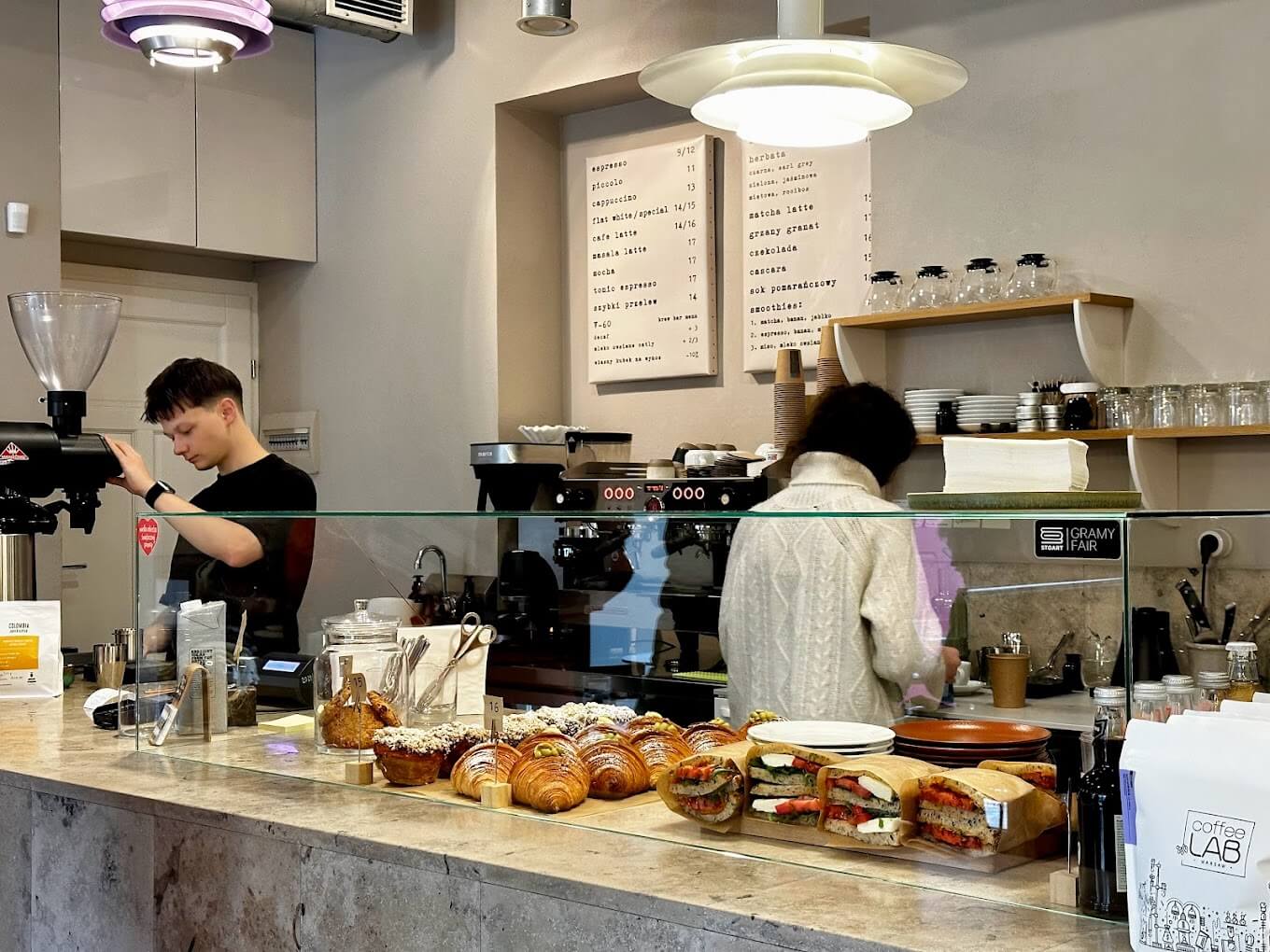
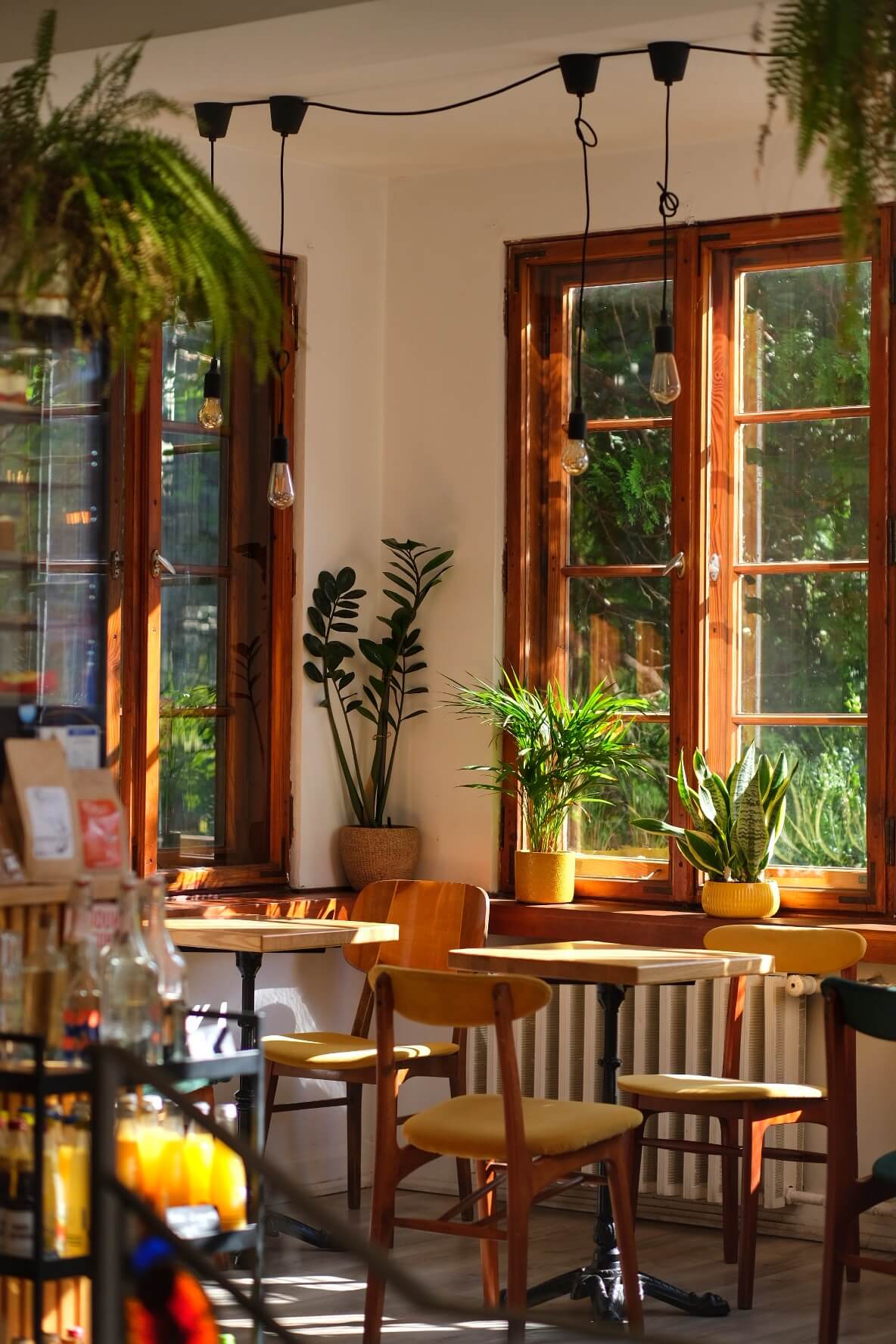
The places themselves. Specialty cafés tend to have good interiors, good music and an easy atmosphere. They suit work, meeting people, first dates or slow scrolling.
Health and quality. More people are looking for something natural, sustainable and ethical. Specialty coffee comes with that story attached.

What makes a good specialty café
The beans: light roasted, high quality, often from a named farm rather than a mix of South America and hope.
A barista who knows their subject: someone who can talk about the coffee the way people talk about wine, with enthusiasm and without the pomposity.
The kit: not a supermarket bean-to-cup. We are talking about machines like the Victoria Arduino Eagle One, which looks like something from a modern art gallery and hides multiboiler technology that gives baristas what they need most: temperature stability and repeatability. Every coffee comes out the same, whatever the hour and however long the queue.
The atmosphere: somewhere with a personality, often independent, with a playlist chosen by someone who knows the difference between Loyle Carner and Lo-Fi Girl.
How people find specialty cafés
Google and maps. Searches for the best coffee near me are doing very well.
Instagram. Still works, but a cup against a brick wall is no longer enough. Now it takes natural light, decent ceramics, a plant in the background and a mood that says this is not just coffee, this is a way of living.
TikTok. A café now has to surprise people and keep up with what is happening elsewhere in the world.
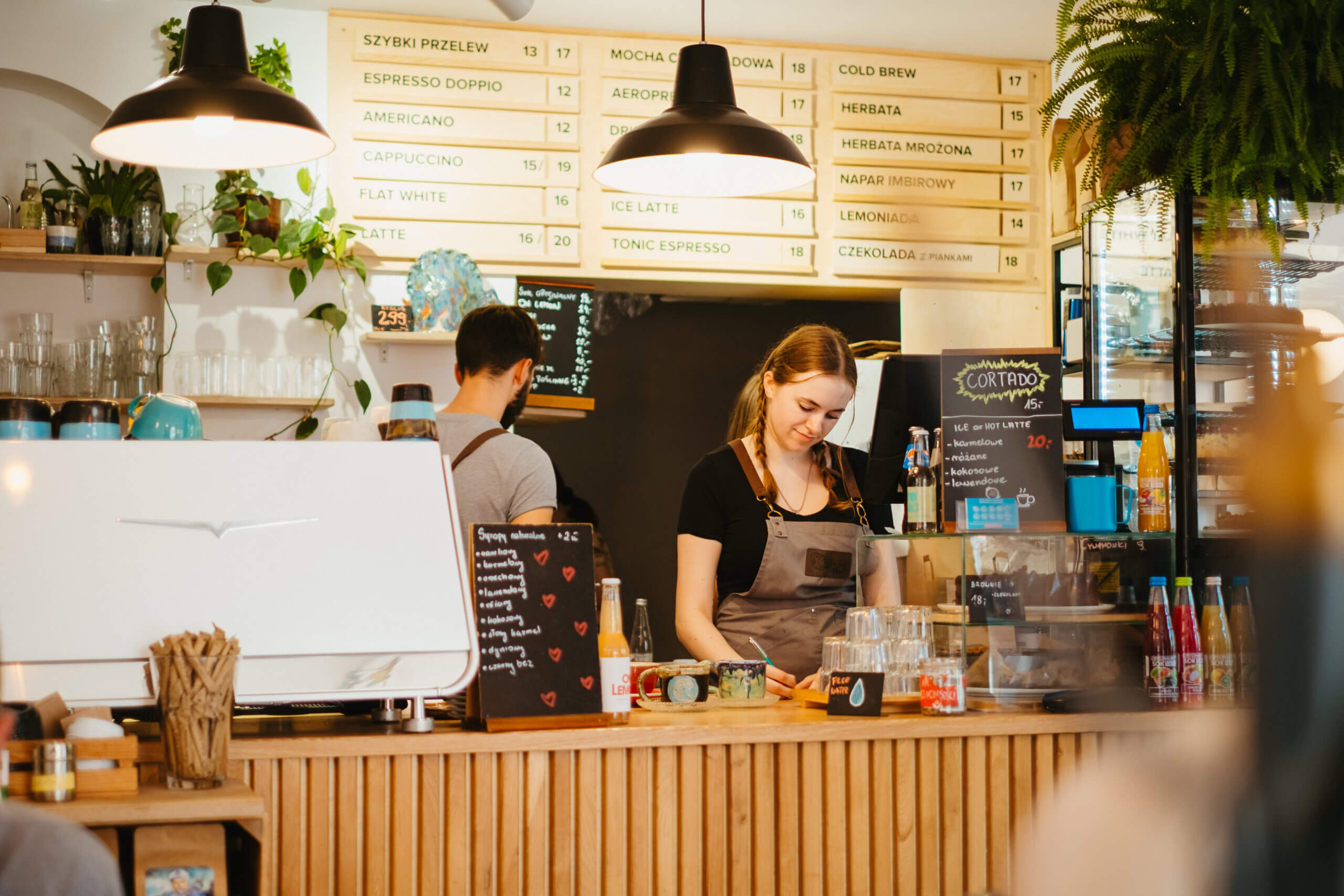
Word of mouth. If you are ever in Kołobrzeg, walk into the old town and find Colberg, the historic German name of the town, and no, not the beer of that name, but the café, where the barista will ask you a few questions before you have finished ordering and then hand you a filter coffee so fruity you briefly doubt it is coffee at all.
Festivals, cuppings and workshops. More and more people go to tastings, competitions and latte art events. Coffee has stopped being only a drink. It is an activity, a subject, a way of spending time.
Where specialty cafés go from here
Specialty is no longer a trend. It is coffee you cannot unsee. Once you have tasted it you know it can be something else entirely, and that paying a bit more beats spending your life on bad coffee. I once brewed a light roast on a pour-over for friends, and they have not gone back since.
Roasteries in Poland keep growing, baristas keep training and customers keep learning.
Nobody has to become a sensory expert, but everybody can drink good coffee. That is why the movement keeps expanding.
Because despite appearances, it is not only coffee. It is quality, ritual and a bit of magic in the cup.
