











You put your cup down on your desk, get back to work and take another sip some 15 minutes later. Your coffee tastes different now that it has cooled, even though you have not added anything to it. At our roastery near Kołobrzeg, changes in flavour as coffee cools are a natural part of the evaluation process. In her book “How to Taste Coffee”, Jessica Easto explains why our sensory experience changes with the temperature of the brew.
Easto gives an interesting example. You may have tasted a coffee so complex that it seemed like three different coffees as it cooled, each of them delicious. Changes in the cup do not necessarily indicate a decline in the quality of the brew. Sometimes they simply help us better understand the beans used to make it.
In this article, you will learn:
- Why our perception of sweetness, bitterness, acidity and aroma changes as coffee cools.
- Why professional coffee roasteries taste the same coffee at several different temperatures.
- When a change in flavour is natural and when it results from a loss of freshness.
Why does coffee taste different as it cools?
When making coffee, we pay a lot of attention to choosing the right brewing temperature. We spend far less time thinking about the temperature at which we drink it. Yet our sensory experience continues to change even after brewing. The first sip does not tell us everything about a coffee.
Easto identifies three reasons for this phenomenon. The first concerns the sensitivity of our sense of taste to temperature. The second involves the aromatic compounds we perceive through our sense of smell. The third is the chemical changes that take place in the brew over time.
It is harder to assess the flavour of a very hot drink accurately. The tongue is particularly sensitive to temperature, and some taste cells also respond to thermal stimuli. As the brew cools, the conditions under which we perceive its taste change. We may then notice qualities in the coffee that we missed earlier.
Research cited by Easto suggests that we detect sweetness best at around 22-33°C. This does not mean that we should drink coffee at this temperature or that every coffee will taste sweeter once it has cooled. It does, however, illustrate how strongly the temperature of a drink influences our perception of the basic tastes.
There is no universal rule governing sweetness, bitterness and acidity. As coffee cools, none of these tastes is guaranteed to become more or less intense. Changes in our perception can, however, alter the way we judge the balance between them. This is why the same coffee can offer several different flavour experiences.
What happens to the aroma of coffee as its temperature drops?
Much of what we describe as taste when drinking coffee is linked to our sense of smell. We perceive aromas both when we smell the brew and when the coffee is in our mouths. In the latter case, aromatic compounds reach the nose via the retronasal pathway. This allows our sense of smell to contribute to tasting even when we are not holding the cup close to our nose.
Heat provides volatile aromatic compounds with the energy they need to enter the air. As the temperature of the brew drops, the range of compounds we can detect changes. This affects both our perception of the basic tastes and how we experience the aroma of coffee as we drink it.
The aroma rising from a hot cup is only part of the overall experience. When we drink a cooler brew, we may notice different aspects of its sensory profile. This does not necessarily mean that the aroma is better or worse. We are simply perceiving it under different conditions.
Coffee temperature also affects the physical sensations in the mouth collectively known as mouthfeel. These include temperature, astringency, perceived thickness and texture. The term body, familiar to coffee enthusiasts, has a slightly narrower meaning and refers to perceived thickness and texture. All these sensations contribute to our overall assessment of the drink.
Why do we taste coffee at different temperatures at the roastery?
Professional coffee tasting, known as cupping, does not end with the first sip. Samples are also assessed when they are lukewarm and again once they have cooled to room temperature. This allows us to gather more information about their sensory characteristics. Assessing the coffee only while it is hot would give us an incomplete picture.
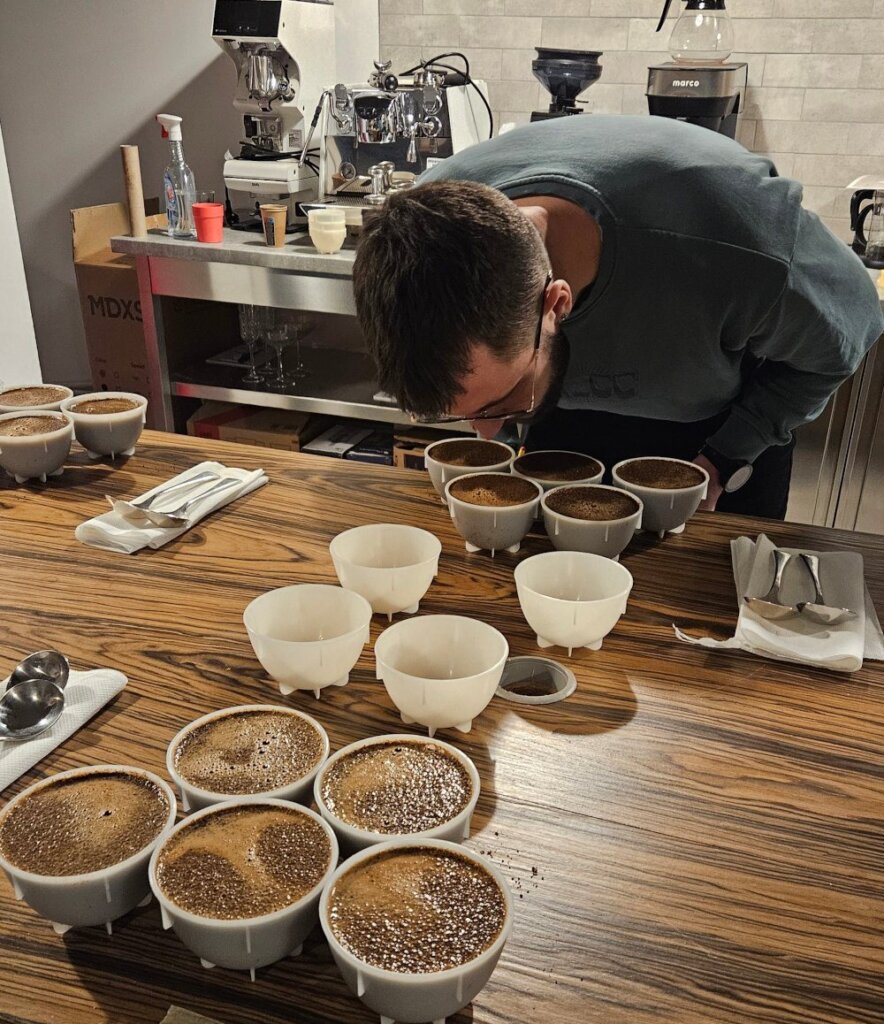
In his 2014 book “The Coffee Roaster’s Companion”, Scott Rao recommends beginning the tasting no earlier than 9 minutes after pouring water over the coffee grounds. The initial assessment should take place at the highest temperature the taster finds comfortable. Rao then recommends returning to the samples when they are lukewarm and again once they reach room temperature.
Under the SCA protocol described by Easto, different coffee attributes are assessed at different stages of cooling. Tasting begins at around 71°C and continues until the coffee reaches approximately 21°C. The temperatures below illustrate how the assessment progresses under this protocol.
| Stage | Temperature | Attributes assessed |
|---|---|---|
| Start of tasting | 71°C (160°F), after 8-10 minutes | First sip and slurp, when aromatic compounds are at their most volatile |
| Further tasting | 71-60°C | Acidity, body and balance |
| Assessment of the cooler brew | Below 38°C (100°F) | Sweetness, uniformity and clean cup |
| End of tasting | 21°C (70°F) | Completion of the sensory assessment |
Slurping is a characteristic part of professional coffee tasting. Rao explains that dispersing the coffee as a fine spray throughout the mouth helps aromatic compounds reach the nose, enhancing retronasal olfaction. Swallowing the brew plays a similar role. Both actions help us perceive aromas during tasting.
Rao points out that we can learn much more about coffee samples once they have cooled. The aim is not to give every coffee a higher or lower score at a lower temperature. It is to gather information that we might miss if we tasted the brew only while it was hot.
What is the best temperature for drinking coffee? Try a simple experiment
You do not need professional equipment or experience as a barista to discover how coffee flavour changes as it cools. All you need is a cup and some coffee brewed using your favourite method. Filter coffee works particularly well for this exercise, as you can drink it gradually rather than finishing the entire cup straight after brewing.
In his book “The World Atlas of Coffee”, James Hoffmann recommends allowing coffees to cool slightly when comparing them. Individual flavours are easier to distinguish in a warm brew than in a very hot one. Easto also cites advice from Ida Steen, a sensory analysis specialist at CoffeeMind and author of “Sensory Foundation”, who suggests beginning the tasting at around 54°C.
Next time you brew coffee at home, try the following exercise:
- Smell the freshly brewed coffee and taste it once it reaches a temperature you find comfortable. Pay attention to its aroma and the flavours you can recognise.
- Put your cup down and take another sip a few minutes later. Notice whether your perception of sweetness, bitterness and acidity has changed. Pay attention to the texture of the brew as well.
- Taste the coffee again when it is lukewarm. Compare what you experience with your impressions from the first sip.
- Leave a small amount of coffee to cool completely. Notice how its flavour differs from that of the hot brew.
During the exercise, avoid trying too hard to identify specific flavour notes. Focus on what you actually perceive and the differences between successive sips. You do not need to decide on a single temperature at which the coffee tastes best, either. Simply noticing the changes is a useful sensory exercise.
You can also try a similar experiment with two different coffees. Make sure both samples are at the same temperature when you compare them. Otherwise, some of the differences you notice may result from the temperature of the brew rather than the characteristics of the beans themselves.
When does cooling lead to a deterioration in coffee flavour?
So far, we have focused mainly on changes in how our senses perceive coffee. Over time, however, the brew itself also changes. Even when we add nothing to it, its compounds can undergo chemical changes, partly as a result of oxidation. These changes often lead to a deterioration in flavour.
In his earlier book, “The Professional Barista’s Handbook”, published in 2008, Rao describes how brewed coffee begins to show a noticeable decline in flavour after just 15-20 minutes, regardless of storage conditions. In a coffee shop setting, he recommends not serving coffee more than 30 minutes after brewing. This is his recommended quality standard, not a universal limit on how long brewed coffee remains fit to drink.
This does not mean that coffee automatically stops tasting good after 20 minutes. As it cools, our perception of taste shifts, the aroma we perceive changes and chemical reactions take place in the brew, all at the same time. Each of these processes contributes to our overall sensory experience of the coffee.
Cold coffee that has been sitting on your desk for a long time will not necessarily offer the same experience as a freshly brewed coffee that has been left to cool briefly. In both cases, the temperature of the drink drops, but the time elapsed since brewing also matters.
Does keeping coffee hot help preserve its flavour?
Many domestic filter coffee machines come with a glass jug that sits on a hotplate. This is convenient because it allows you to pour yourself hot coffee over an extended period. Hoffmann advises against using such machines, however, because continued heating causes the flavour of the brew to deteriorate.
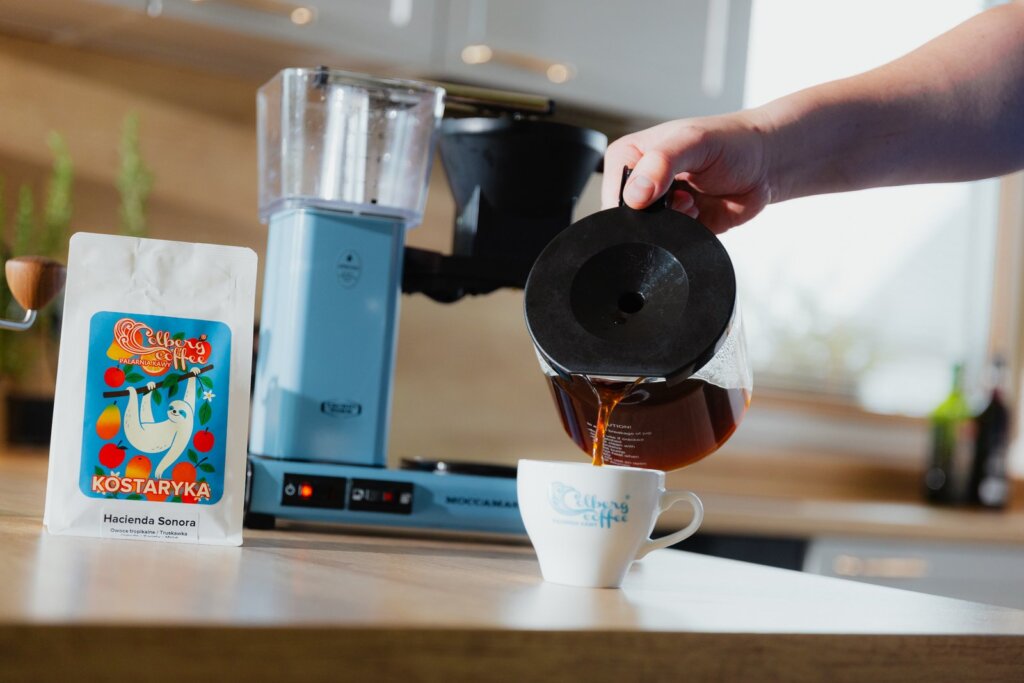
According to Hoffmann, a better option is a filter coffee machine with a thermal carafe. This reduces heat loss without continuously heating the coffee. Rao offers similar advice on storing brewed coffee.
A sealed insulated container reduces both heat loss and the escape of volatile aromatic compounds into the air. However, it cannot prevent all the changes that occur in the brew. Even coffee stored in a good vacuum flask gradually loses its original flavour characteristics.
Rao recommends holding brewed coffee at around 79-85°C to limit the development of unpleasant sour flavours. This is his recommendation for keeping coffee hot in a food service setting, not for the temperature at which it should be consumed. You can still allow the coffee to cool once you have poured it into a cup.
If you want freshly brewed coffee throughout the day, brewing smaller batches is a good option. Rao also recommends this practice to coffee shops. Rather than brewing a large quantity of coffee and keeping it hot for an extended period, you can simply brew another batch when needed.
Key takeaways
- Coffee tastes different as it cools partly because our sensitivity to the basic tastes and the way we perceive aromas change.
- Research on taste perception suggests that we detect sweetness best at around 22-33°C.
- Professional coffee tasting involves assessing coffee at several temperatures, right down to room temperature.
- Over time, chemical changes occur in the brew that can cause its flavour to deteriorate.
- If we want to keep coffee hot for longer, a thermal carafe is a better option than a hotplate.
Which coffees should you choose for tasting at home?
Light-roasted coffees are a good starting point for these exercises. Easto explains that light and medium roasting helps bring out the natural characteristics of the beans and the complexity of their flavours and aromas. This gives us plenty to explore as the coffee cools, regardless of the temperature at which we ultimately enjoy it most.
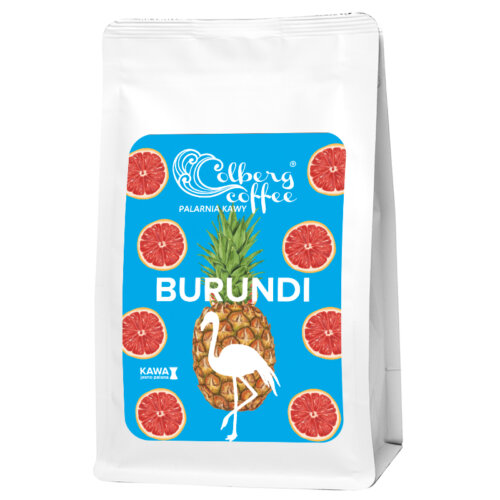
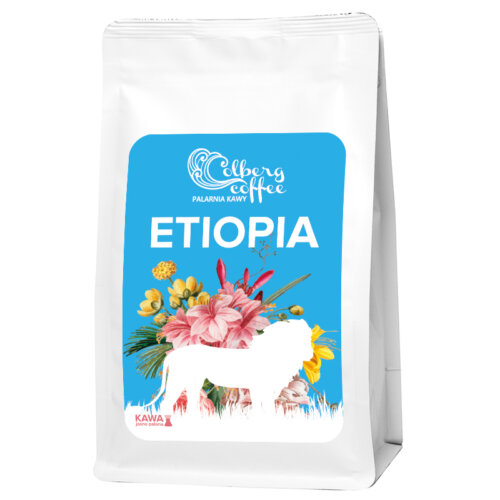
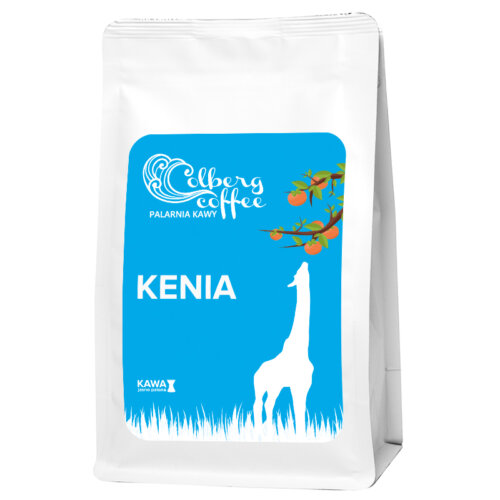
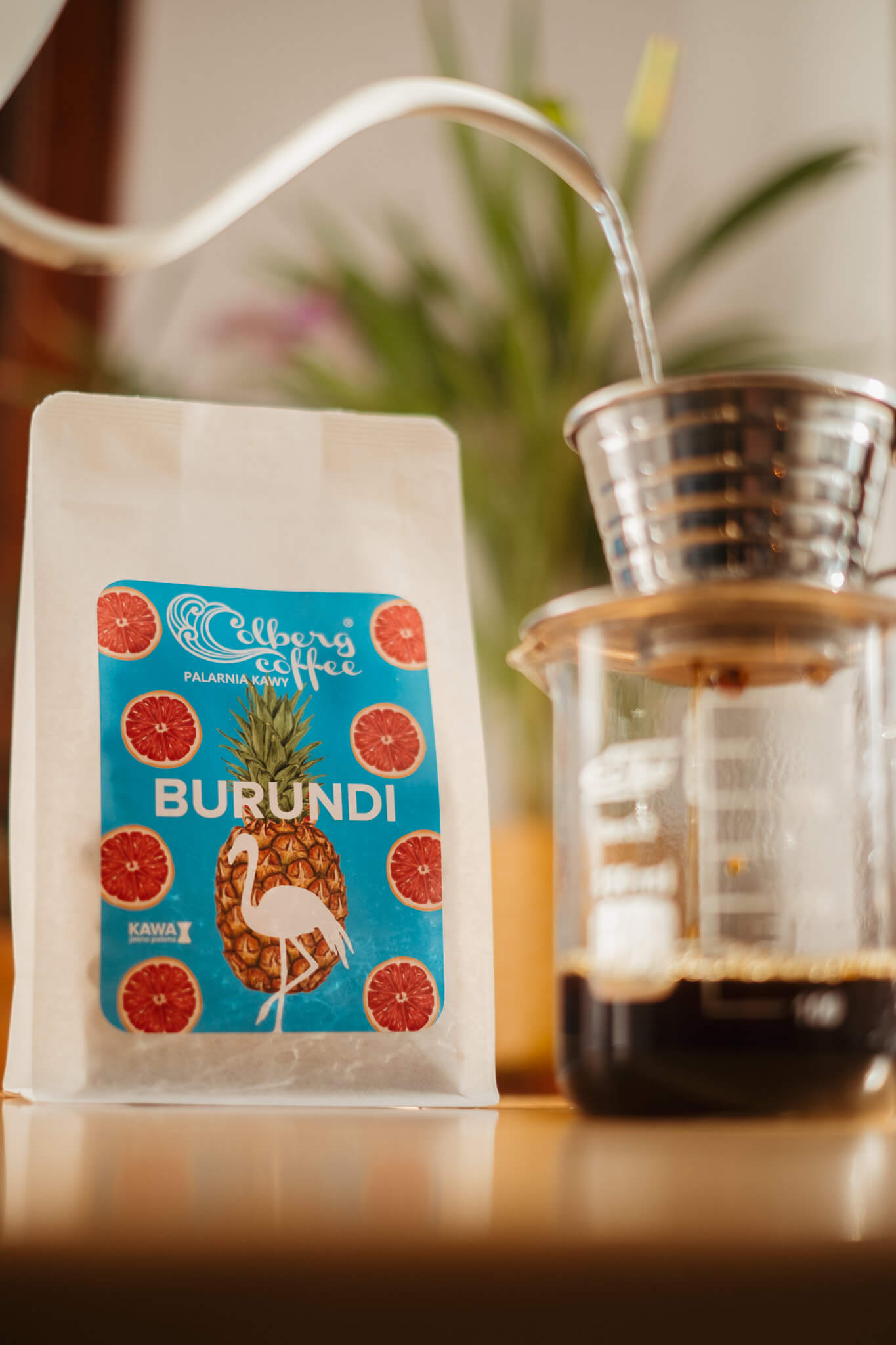
Coffees available from our Colbergcoffee roastery include Burundi Karira, with notes of grapefruit, redcurrant, apricot and honey, Ethiopia Kurume Natural, with notes of jasmine, bergamot and black tea, and Kenya Inoi Kaguyu. All three are light-roasted coffees suited to filter brewing methods. Brew one of them and discover how its flavour changes from the first sip to the last.
Why does coffee taste different as it cools?
As the temperature of the brew drops, our sensitivity to the basic tastes and the way we perceive aromatic compounds change. Chemical changes also take place in the coffee itself over time.
Is coffee sweeter once it has cooled?
Not always, although temperature influences our perception of sweetness. Research on taste perception suggests that we detect sweetness best at around 22-33°C.
What is the best temperature for tasting coffee?
During professional tasting, coffee is assessed at several temperatures, from around 71°C down to room temperature. At home, you can begin tasting at around 54°C and continue sampling the brew as it cools.
Can you judge the quality of coffee by how it tastes when cold?
A cooler brew provides additional information about the sensory characteristics of a coffee. However, this does not mean that every good coffee must taste better cold or that its quality should be assessed only after it has cooled.
How long does brewed coffee take to start losing its freshness?
According to Scott Rao’s observations, a decline in the flavour of brewed coffee becomes noticeable after just 15-20 minutes. He recommends that coffee shops avoid serving coffee more than 30 minutes after brewing.
Is it better to keep coffee in a flask or on a hotplate?
A thermal carafe or sealed vacuum flask reduces the loss of heat and volatile aromatic compounds without continuously heating the brew. Keeping coffee on a hotplate can lead to the development of unpleasant flavours.
Przeczytaj też
Kopi Luwak: The Coffee from Droppings I Don’t Recommend
Kopi Luwak costs a fortune, yet its supposedly exceptional quality remains questionable. Behind this famous
Nov
Paper, Metal or Cloth Coffee Filters: Which to Choose?
Paper retains most coffee oils and fine particles, metal lets more of them through, and
Nov

Christmas Coffee Recipes: 5 Ideas from a Barista
Five Christmas coffee recipes you can make at home, including drinks from our café's winter
Nov

Cyber Monday 2026: When Is It and How to Stock Up on Coffee
Cyber Monday 2026 falls on 30 November. Find out how it started, what we have
Nov
Jamaica Blue Mountain Coffee: Is the Legend Worth the Price?
For years, Jamaica Blue Mountain was regarded as one of the world's finest coffees, and
Nov
How much water do coffee grounds retain? Where does it go?
From 350 g of water, you get around 302 g of brewed coffee. We explain
Nov
V60 Pouring Height: What Does Physics Say?
Does pouring from higher up always improve coffee agitation? Physics shows that there is a
Nov
Why Does Coffee Taste Different as It Cools?
Coffee left on your desk can taste completely different from how it tasted just after
Nov

This site is protected by reCAPTCHA. The Google Privacy Policy and Terms of Service apply.