










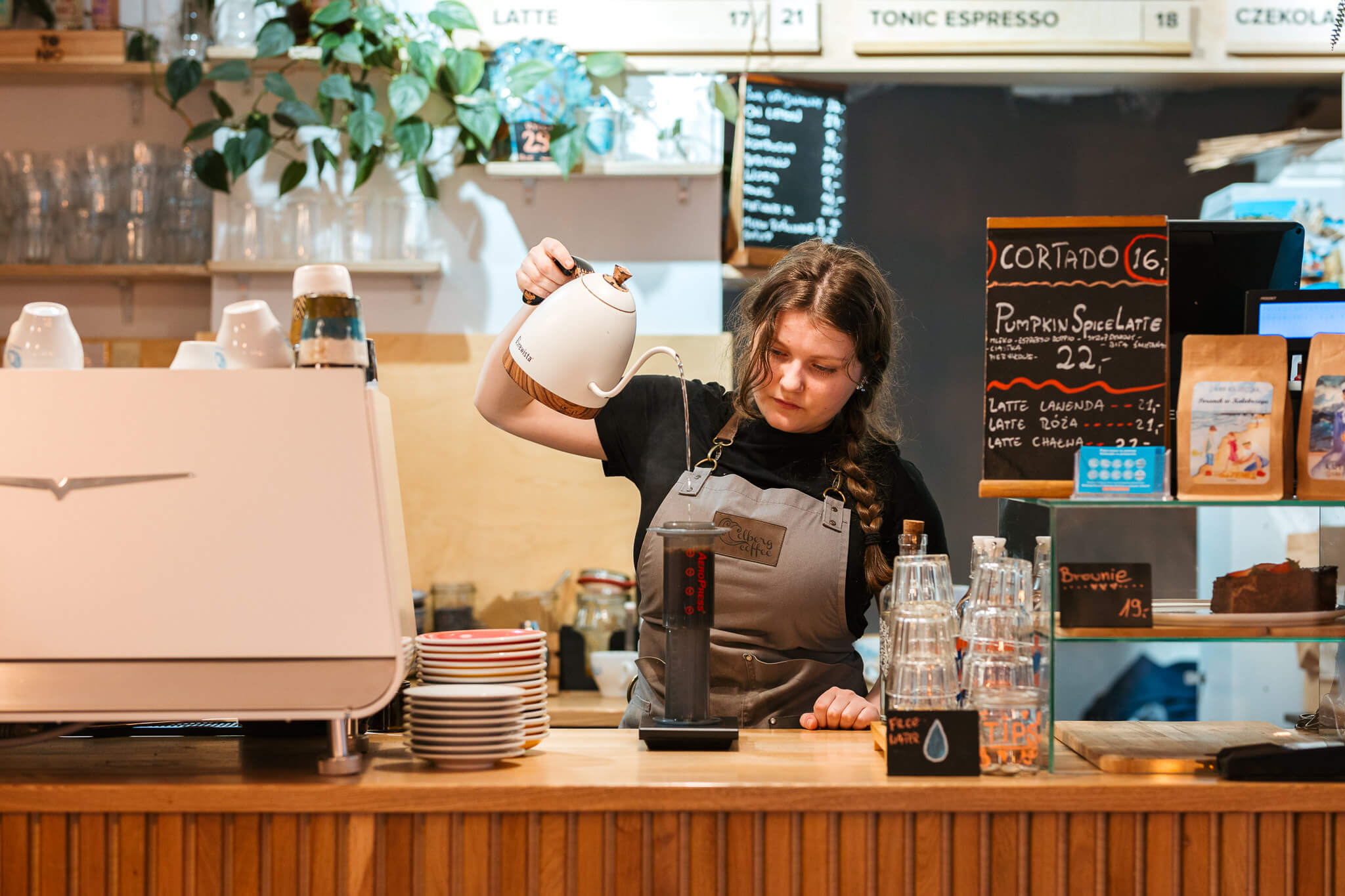

Two people drink the same coffee: one loves the flavour, while the other puts the cup down after the first sip. Not everyone experiences coffee bitterness in the same way. Although we often look for the explanation in the beans or brewing method as coffee roasters, the answer may lie much closer to home, on our own tongues.
At our Colbergcoffee roastery near Kołobrzeg, we are interested not only in how coffee tastes but also in how we perceive its flavour. This time, we turned to Jessica Easto’s book “How to Taste Coffee”, which explores the biology of taste and differences in taste perception in considerable detail. It turns out that our coffee preferences have far more to do with genetics and culture than we might expect.
In this article, you will learn:
- Why people differ in their sensitivity to bitterness.
- Which compounds contribute to coffee bitterness and whether caffeine really is the main culprit.
- Whether you can test your sensitivity to bitterness and learn to enjoy it over time.
We have around 25 types of bitter taste receptors
Bitterness is one of the five basic tastes, alongside sweetness, sourness, saltiness and umami. It is also arguably the most complex of the five. Humans have around 25 types of bitter taste receptors, allowing us to detect hundreds of substances with widely varying chemical structures.
However, we do not perceive all bitter substances with the same intensity. Different receptors respond to different compounds, and our ability to detect them varies from person to person. We may therefore be particularly sensitive to the bitterness of one substance and much less sensitive to another.
Epsom salt, also known as magnesium sulphate, is an interesting example. In 2019, scientists discovered that the TAS2R7 receptor is involved in detecting its bitter taste. This illustrates how complex bitter taste perception is and how much we still have to learn about it.
An aversion to bitterness is innate. It has been observed in human infants and other animals. From a biological perspective, bitterness serves as a warning of potentially harmful substances. Yet as adults, we happily reach for coffee, dark chocolate or beer.
Caffeine is not the only source of bitterness in coffee
Coffee contains between 70 and 200 compounds that contribute to bitterness. Caffeine is, of course, the best known, but it accounts for only 10-20% of the total bitterness. Compounds formed during roasting play a much greater role.
The main contributors are chlorogenic acid lactones and phenylindanes. Easto also cites the Specialty Coffee Association’s (SCA) description of their bitterness profiles. Bitterness can range from mild and velvety to sharp and unpleasant.
| Compound | Contribution to coffee bitterness | Bitterness profile (SCA) |
|---|---|---|
| Chlorogenic acid lactones | 50-70% | Rounded, velvety, smooth |
| Phenylindanes | Up to 30% | Sharp, unpleasant |
| Caffeine | 10-20% | Clean, one-dimensional |
These figures are estimates, and the proportions vary from cup to cup. Up to 20% of coffee’s bitterness may also come from compounds that have yet to be identified. Scientists have not yet established conclusively whether distinct types of bitterness exist or whether differences in perception arise from accompanying sensations such as saltiness, astringency or a metallic aftertaste.
The species of coffee plant also matters. One of the differences between arabica and robusta is the amount of bitter compounds they naturally contain. Coffea canephora, the species to which robusta belongs, contains more of these compounds than Coffea arabica.
Even arabica, however, becomes more bitter as roasting progresses. In “The World Atlas of Coffee”, James Hoffmann describes the relationship between three tastes: acidity, sweetness and bitterness. As roasting progresses, acidity decreases, bitterness increases and sweetness peaks somewhere in between.
In “The Coffee Roaster’s Companion”, Scott Rao identifies caramelisation as one of the factors contributing to increased bitterness. The acids in coffee also undergo changes during roasting, including chlorogenic acids, which gradually break down. According to Rao, lightly roasted beans retain around 50% of their original chlorogenic acid content, while dark-roasted beans may retain as little as 20%. Phenylindanes, which contribute to the less pleasant qualities of bitterness, play a greater role in darker roasts.
The intensity of bitterness also depends on the concentration of dissolved solids in the brew and how coffee extraction progresses. I will not go into the details of brewing techniques here, as we have covered them in a separate article, “why coffee tastes bitter“.
Do our genes determine how we perceive the taste of coffee?
Like many other biological traits, our taste receptors are genetically determined. We differ not only in our ability to detect particular substances but also in how intensely we perceive them. The number of taste buds we have may also vary.
Genetics influences our perception of all five basic tastes. In the case of sweetness, it may account for up to a third of the variation in taste perception. These differences can, in turn, influence our food choices.
In taste science, the term “supertaster” describes someone who experiences the basic tastes more intensely than the average person. Among the substances scientists use to study this phenomenon are two bitter compounds: phenylthiocarbamide (PTC) and 6-n-propylthiouracil (PROP).
Some people find these substances extremely bitter, while others cannot taste them at all. Scientists have identified genes associated with our ability to detect them, although this does not yet fully explain all the differences in taste sensitivity.
In her book, Easto provides the following figures on sensitivity to these substances:
- Around 25% of people are highly sensitive to PROP.
- A further 45-50% of people are moderately sensitive to PROP.
- Around 70% of people can taste PTC.
These proportions vary between populations. In the studies cited by Easto, the lowest rates of detection of the bitter test substances were recorded among the Indigenous peoples of Australia and New Guinea, and the highest among the Indigenous peoples of the Americas. Taste sensitivity nevertheless varies between individuals within each community.
These differences extend beyond coffee. People with above-average taste sensitivity are more likely to find broccoli, Brussels sprouts and spinach unpleasantly bitter. They are also often less fond of dark chocolate and chilli peppers. Studies have found that people who can taste PROP tend to consume less alcohol and avoid black coffee.
Why do some people add sugar to their coffee while others do not?
Easto cites a 2022 study involving Italian coffee drinkers. Researchers examined the relationship between inherited taste sensitivities and preferences for coffee with or without sugar. The results revealed two interesting associations.
People genetically predisposed to greater sensitivity to caffeine’s bitterness were more likely to choose sweetened coffee. Those predisposed to greater sensitivity to sweetness were more likely to prefer coffee without added sugar.
These findings reflect trends observed in the study rather than rules that apply to every coffee drinker. We cannot determine someone’s genetic predispositions simply from the way they drink coffee. However, the results help explain why two people can have completely different opinions about the taste of the same brew.
Test your sensitivity to bitterness
Are you a supertaster? Easto’s book describes a simple exercise that can give you a rough idea of your taste sensitivity. You will need some food colouring, a cotton bud, a piece of paper, a standard hole punch and your phone camera.
- Use the hole punch to make a hole in a piece of paper.
- Apply one or two drops of food colouring to the cotton bud, then use it to colour a small area of your tongue.
- Place the paper over the coloured area so that it is visible through the hole, then take a photo.
- Count the papillae visible through the hole.
According to the exercise described by Easto, a count of more than 35 papillae may indicate above-average taste sensitivity. A count of around 35 corresponds to typical sensitivity. However, this is neither a diagnosis nor a precise measure of your ability to perceive all bitter substances.
Commercially available taste testing kits contain paper strips impregnated with PTC, sodium benzoate and thiourea, along with a control strip. Separate PROP tests are also available. Depending on your individual sensitivity, you may be able to taste all, some or none of these substances.
Easto herself can taste PROP, thiourea and sodium benzoate, but cannot taste PTC. None of these substances elicits a particularly strong response from her. This illustrates why taste sensitivity should not be judged solely by the result of a single test.
Can you learn to enjoy bitter coffee?
The predispositions we are born with are only part of the explanation. Our preferences are also influenced by our families, the availability of particular foods, culinary traditions and our social environment. Throughout our lives, we accumulate experiences that shape our tastes.
Easto cites research by biopsychologist Julie Mennella, who studies the development of taste preferences. Her research suggests that we learn to like what we eat. This process may begin before birth and continue as we are fed breast milk.
Differences in taste sensitivity can also be observed across cultures. A study published in 2018 in the journal “Chemical Senses” compared participants from Japan and Thailand. The Japanese participants were able to recognise the basic tastes at lower concentrations than the Thai participants.
Coffee drinking preferences can vary even within a single country. Easto gives the example of the American specialty coffee community, which values flavour complexity and balanced acidity. At the same time, many traditional coffee drinkers in the United States prefer darker roasts with low acidity and pronounced bitterness.
Research into taste preferences suggests that repeated exposure to a particular taste can increase our tolerance of it. This is particularly evident with bitterness. Associating bitterness with something pleasant may also play a role.
However, this does not mean that everyone will eventually learn to enjoy black coffee. If we are particularly sensitive to a certain taste, repeated exposure alone may not be enough. There is no need to force ourselves to drink coffee we do not enjoy.
Key takeaways
- Coffee’s bitterness comes from 70 to 200 different chemical compounds.
- Caffeine accounts for only 10-20% of coffee’s bitterness.
- Genetic predispositions influence our ability to detect bitter substances and how intensely we perceive them.
- Darker roasting increases bitterness, but individual taste sensitivity also influences how we perceive it.
- Culture, habits and experience can change how we respond to bitterness throughout our lives.
Which coffees should you try if you dislike bitterness?
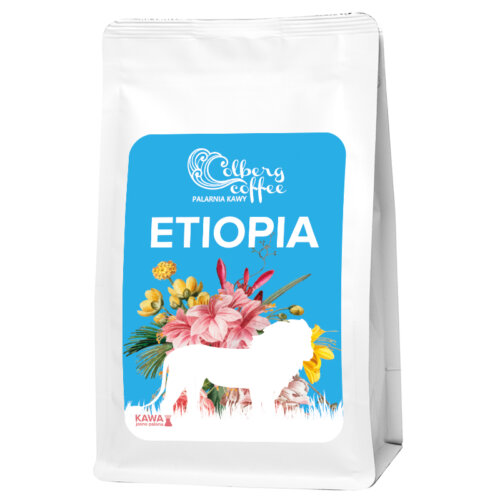
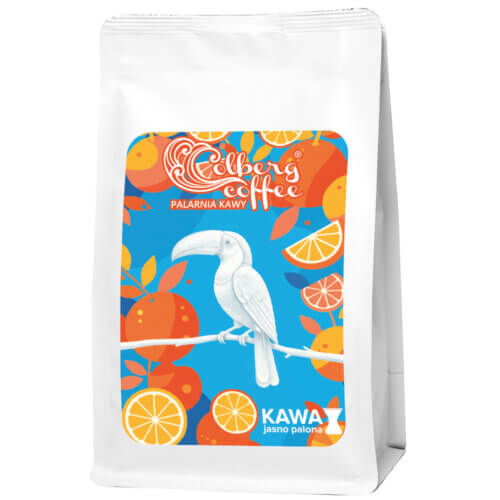
If you dislike the intense bitterness typical of dark roasts, try light roast coffees. Among the coffees available from our roastery are Ethiopia Yirgacheffe Mamo Kacha, with its floral and delicately fruity flavours, and Brazil Fazenda Rainha Yellow Bourbon, a naturally processed coffee with notes of chocolate and orange.
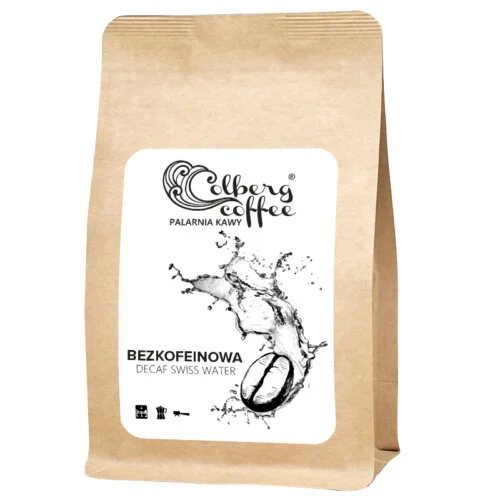
Another option is decaf coffee. At Colbergcoffee, our selection includes Colombia Excelso Medellin Decaf Swiss Water, with notes of milk chocolate, nuts and cocoa. Bear in mind, however, that caffeine accounts for only part of coffee’s bitterness, so decaffeinated coffee still contains bitter compounds.
Whichever coffee you choose, trust your own palate above all. You do not have to enjoy exactly the same flavours that other coffee lovers find appealing.
Why does the same coffee taste more bitter to some people than to others?
People differ in the sensitivity of their taste receptors and their ability to detect particular bitter substances. Previous experiences with taste and established habits also influence how we perceive a brew.
Is caffeine the main source of bitterness in coffee?
No. Caffeine accounts for around 10-20% of coffee’s bitterness, while chlorogenic acid lactones and other compounds formed during roasting contribute far more.
What is a supertaster?
A supertaster is someone with above-average taste sensitivity who perceives the basic tastes more intensely than others. The bitter compounds PTC and PROP are among the substances used to study this phenomenon.
Why is dark roast coffee more bitter?
Chemical reactions during roasting lead to the formation of bitter compounds. Phenylindanes are among the compounds responsible for the sharp, unpleasant bitterness characteristic of darker roasts.
Is decaf coffee bitter too?
Yes. Caffeine is only one of many bitter compounds found in coffee. Removing caffeine does not eliminate bitterness.
Can you get used to the bitter taste of coffee?
Yes. Regular exposure to bitterness can increase our tolerance of it and help change our taste preferences. However, the process varies from person to person, particularly among those who are especially sensitive to bitterness.
Przeczytaj też
Kopi Luwak: The Coffee from Droppings I Don’t Recommend
Kopi Luwak costs a fortune, yet its supposedly exceptional quality remains questionable. Behind this famous
Nov
Paper, Metal or Cloth Coffee Filters: Which to Choose?
Paper retains most coffee oils and fine particles, metal lets more of them through, and
Nov

Christmas Coffee Recipes: 5 Ideas from a Barista
Five Christmas coffee recipes you can make at home, including drinks from our café's winter
Nov

Cyber Monday 2026: When Is It and How to Stock Up on Coffee
Cyber Monday 2026 falls on 30 November. Find out how it started, what we have
Nov
Jamaica Blue Mountain Coffee: Is the Legend Worth the Price?
For years, Jamaica Blue Mountain was regarded as one of the world's finest coffees, and
Nov

How much water do coffee grounds retain? Where does it go?
From 350 g of water, you get around 302 g of brewed coffee. We explain
Nov
V60 Pouring Height: What Does Physics Say?
Does pouring from higher up always improve coffee agitation? Physics shows that there is a
Nov

Why Does Coffee Taste Different as It Cools?
Coffee left on your desk can taste completely different from how it tasted just after
Nov

This site is protected by reCAPTCHA. The Google Privacy Policy and Terms of Service apply.