
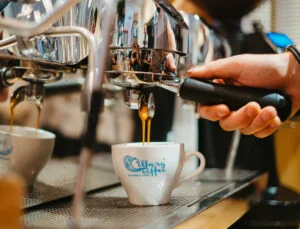






An espresso machine for a cafe is one of the most expensive and important pieces of equipment behind the bar. Choose the wrong one and it could slow down service during busy hours, or sit underused in a venue serving just a few dozen coffees a day. The right machine will help your team work efficiently for years.
This isn’t a ranking of espresso machines. Instead, I’ll show you how to choose an espresso machine for a cafe: how many group heads you need, which boiler system to consider, which features are genuinely useful and what you should know about grinders, water and electrical requirements. For specific models, read our article best espresso machines for a specialty cafe: hands-on tests and expert opinion.
How to choose an espresso machine for a cafe
Before comparing manufacturers, answer a few questions. Your answers will determine which espresso machine is right for your business.
- How many coffees do you make during your busiest hour? Don’t focus on your daily average. Peak hours tell you how many group heads you actually need.
- How many baristas will work at the same time? With just one group head, two people may get in each other’s way.
- How many of your orders are milk-based coffees? If you serve lots of cappuccinos and lattes, pay attention to steam capacity and the number of steam wands.
- What coffee do you serve? For lightly roasted specialty coffee, stable and adjustable brewing temperatures are particularly useful. Traditional espresso blends can be less demanding in this respect.
- What facilities are available? Check your water connection, drainage, electrical supply and available counter space.
- What’s your budget for the complete setup? The espresso machine alone isn’t enough. Allow for a good grinder and suitable water filtration.
How many group heads do you need: one, two or three?
A group head is where you lock the portafilter into the machine. A single-group machine can use one portafilter at a time, a two-group machine can use two, and a three-group machine can use three. Many specialty cafes use double filter baskets. One extraction can then produce a double espresso or be split into two single servings. So the number of group heads determines how many portafilters can be used simultaneously, not necessarily how many finished drinks you can make.
| Espresso machine | Best suited for | What to consider |
|---|---|---|
| 1 group | Small cafe with low demand, pastry shop, restaurant serving coffee with desserts, office | Queues can build up during busy periods, one steam wand |
| 2 groups | Most cafes, seasonal businesses, restaurants with high coffee sales | The safest choice if you’re unsure how much demand will grow |
| 3 groups | Very busy venues, railway stations, hotels, several baristas working at once | Requires counter space, sufficient electrical capacity and two grinders |
Coffee demand can change dramatically in seasonal businesses. One group head might be enough in winter, while even two can be pushed hard in summer. If you run a business by the sea, choose your machine based on the busiest part of the season. We cover equipment for other hospitality businesses in our article how to choose an espresso machine for a pastry shop.
Types of commercial espresso machines
Espresso machines mainly differ in how they heat brewing water and produce steam. Their design affects temperature stability, energy consumption, adjustment options and price.
- Heat exchanger espresso machine (HX): uses one large steam boiler, with brewing water heated through a heat exchanger. It’s a proven design, although precise temperature control can be more difficult than with multi-boiler machines. Read more in our guide to HX espresso machines.
- Multi-boiler espresso machine: has separate heating systems for brewing coffee and producing steam. In machines with independent group boilers, you can set a different temperature for each group head. This is useful when serving a traditional espresso blend alongside a lightly roasted seasonal coffee.
- Espresso machine with rapid heating technology: uses systems designed to reduce the energy needed to heat water for extraction. One example is the NEO system in the Victoria Arduino Eagle One, which combines small boilers with rapid water heating. This doesn’t mean the machine is completely boilerless.
- Lever espresso machine (leva): the barista manually controls pre-infusion and when extraction begins. In spring-operated models, the subsequent pressure profile depends on the spring mechanism. These machines require skill and can be less convenient in very busy environments.
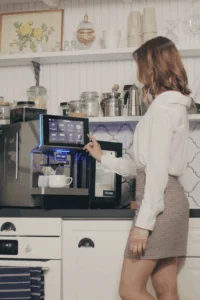
- Fully automatic coffee machine: grinds the beans and prepares the drink automatically. It works well where there’s no dedicated barista, such as offices, hotel breakfast areas and petrol stations.
Features that genuinely make a barista’s job easier
Manufacturers use different names for their technologies and systems. Not every feature is necessary for everyday work. These are the ones worth paying attention to:
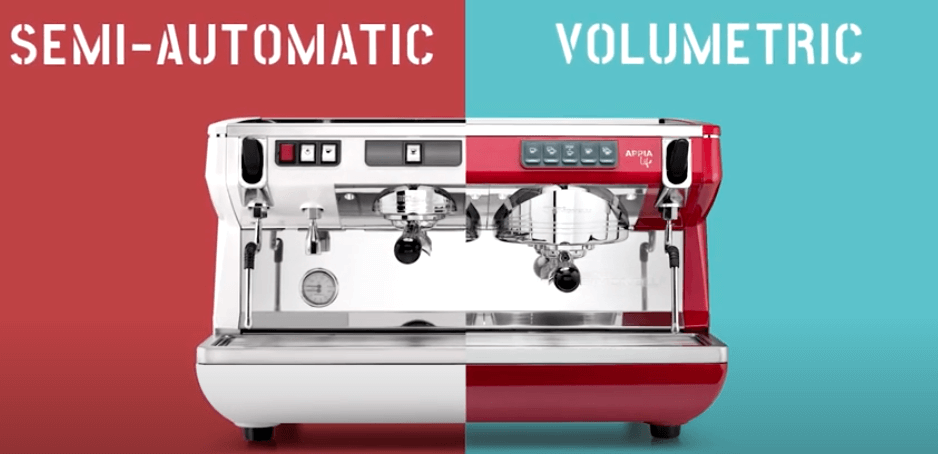
- Volumetric or gravimetric dosing: the machine automatically stops extraction after a programmed volume of water has passed through or the espresso reaches a specified weight. This makes it easier to achieve consistent results from one coffee to the next.
- Temperature adjustment: lets you adapt brewing conditions to a particular coffee. When working with different specialty beans, being able to set the temperature independently for each group head is a major advantage.
- Powerful steam and insulated steam wands: help you steam milk faster and reduce the risk of burns from touching the wand. Particularly useful when milk-based drinks make up a large share of sales.
- Automatic group flushing: reduces the time between extractions and makes it easier to keep the machine clean. It doesn’t replace regular cleaning.
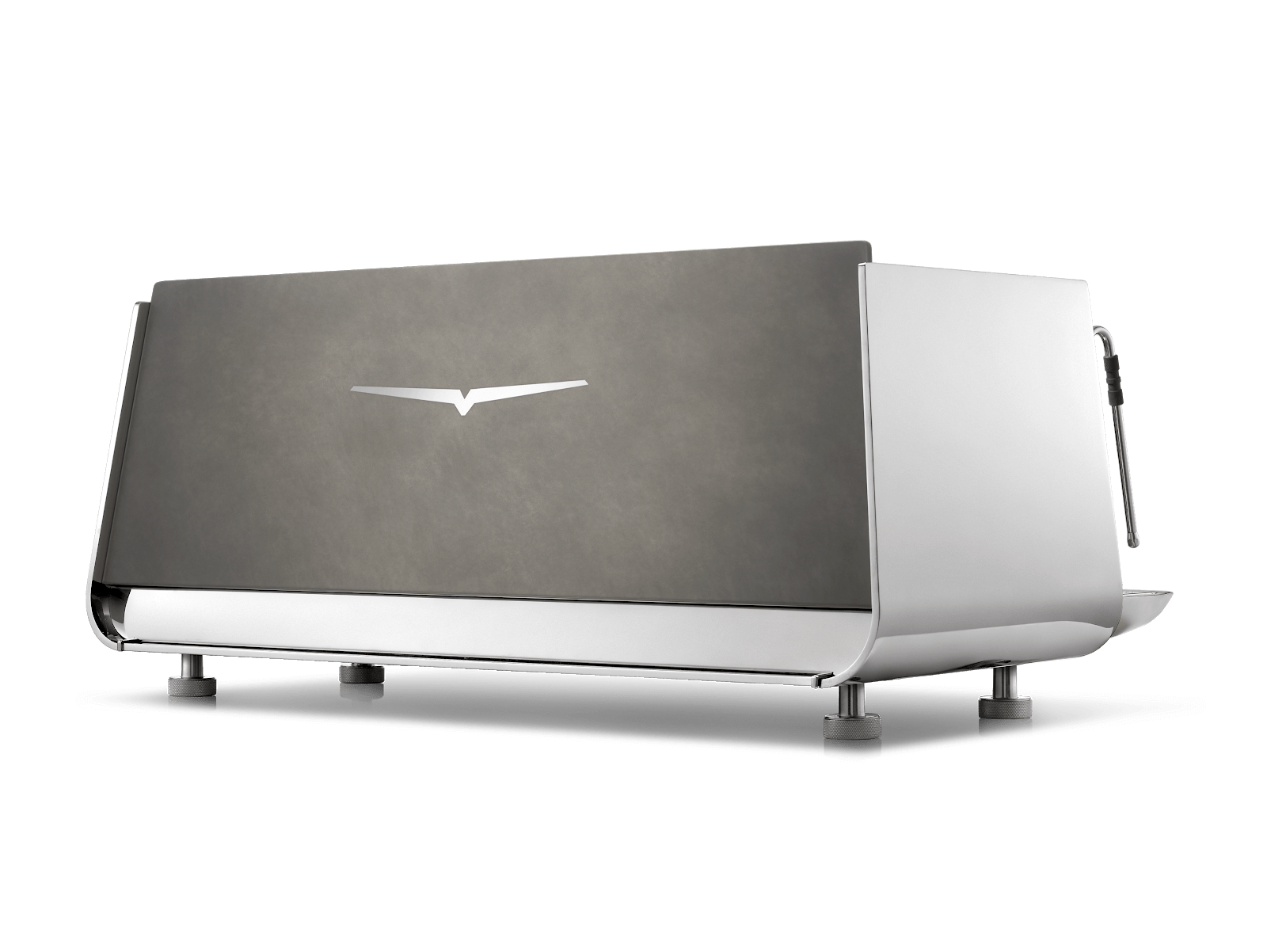
- Low-profile design: allows the barista to see guests over the machine and talk to them comfortably. This matters in cafes that value direct customer interaction.
- Simple controls: when staff change frequently, a clear control panel and straightforward programming save time during training.
A good espresso machine is only part of an efficient coffee bar. Equipment placement and workstation organisation matter too. Find more practical advice in our article on how to speed up service in a cafe.
Grinder and water: two essentials people often overlook
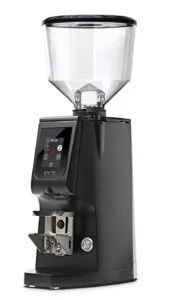
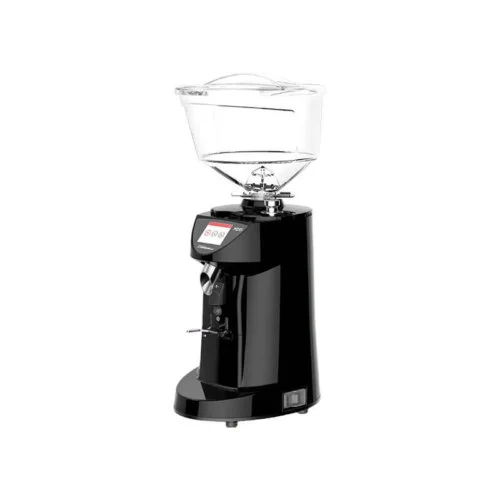
A common mistake when opening a cafe is spending heavily on the espresso machine while compromising on grinder quality. But consistent grinding is essential for repeatable extraction. With a two-group machine and higher demand, it’s worth considering two grinders, for example, one for a traditional espresso blend and another for decaf or seasonal coffee. Explore our commercial coffee grinders and our guide to dialling in a coffee grinder in a cafe.
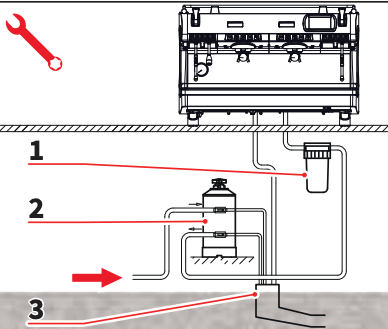
Water is just as important. Unsuitable water can cause limescale buildup and change the flavour of your coffee. That’s why water filtration should be planned alongside the espresso machine installation. You’ll find water filters for commercial equipment in our shop. For more on mineral composition, read our article on how water affects coffee flavour.
Espresso machines for a cafe: examples from our range
We’ve selected a few models from different categories to make it easier to compare their uses. You can browse our full range of commercial espresso machines. You can also read about Nuova Simonelli espresso machines and Victoria Arduino. We showcase models from the first brand on our Nuova Simonelli Polska website.
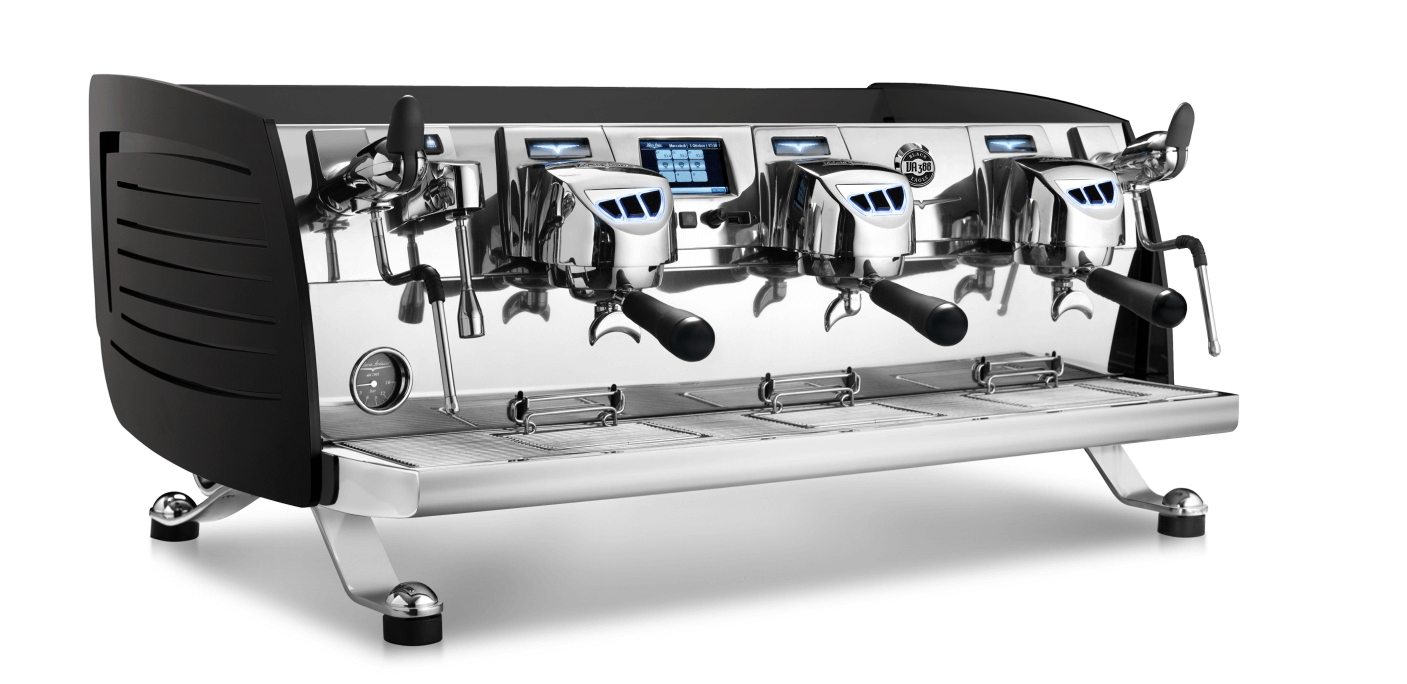
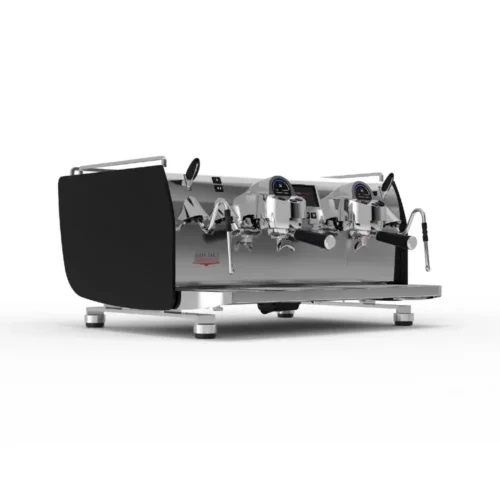
- Victoria Arduino Black Eagle Maverick: an advanced espresso machine for specialty cafes, including high-volume businesses. Available in a Gravitech version with an integrated espresso weighing system. Designed for demanding, professional barista work.
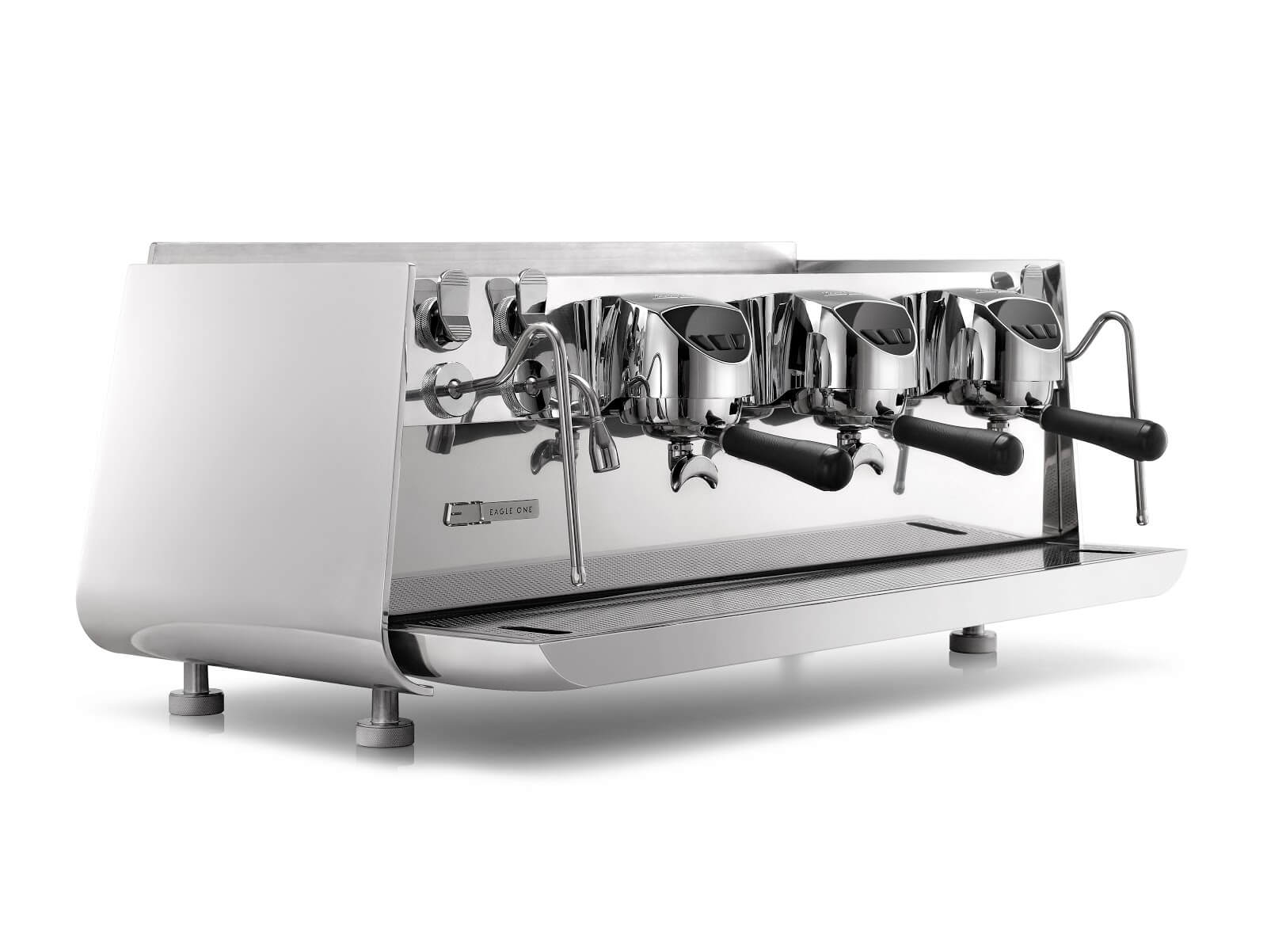
- Victoria Arduino Eagle One: a modern, low-profile espresso machine equipped with energy-saving NEO and TERS technologies. Learn more about how it works and what it offers in our Victoria Arduino Eagle One review.
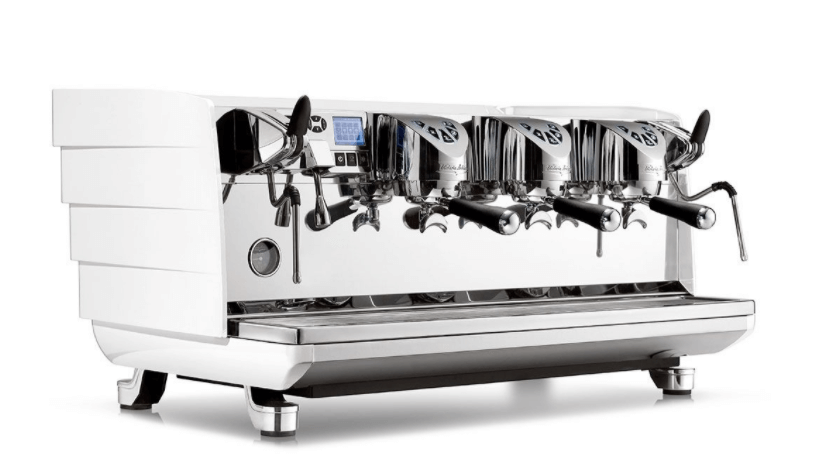
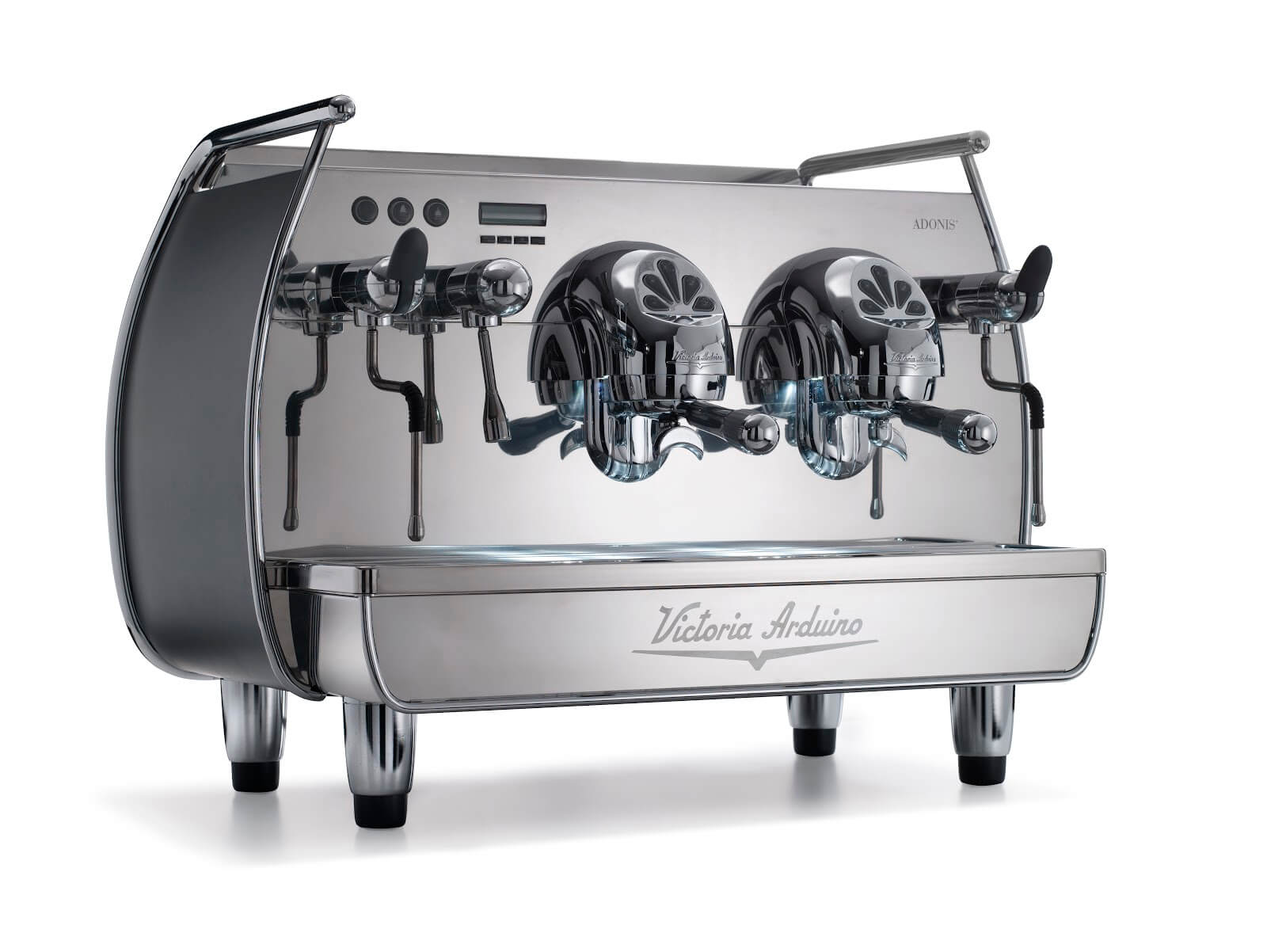
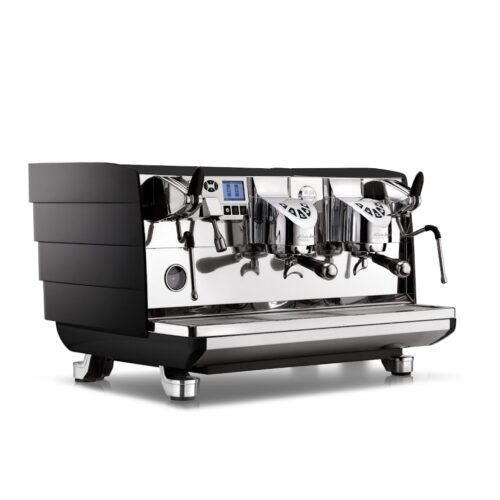
- Victoria Arduino White Eagle and Adonis: professional espresso machines with classic styling, designed for medium- and high-volume cafes.
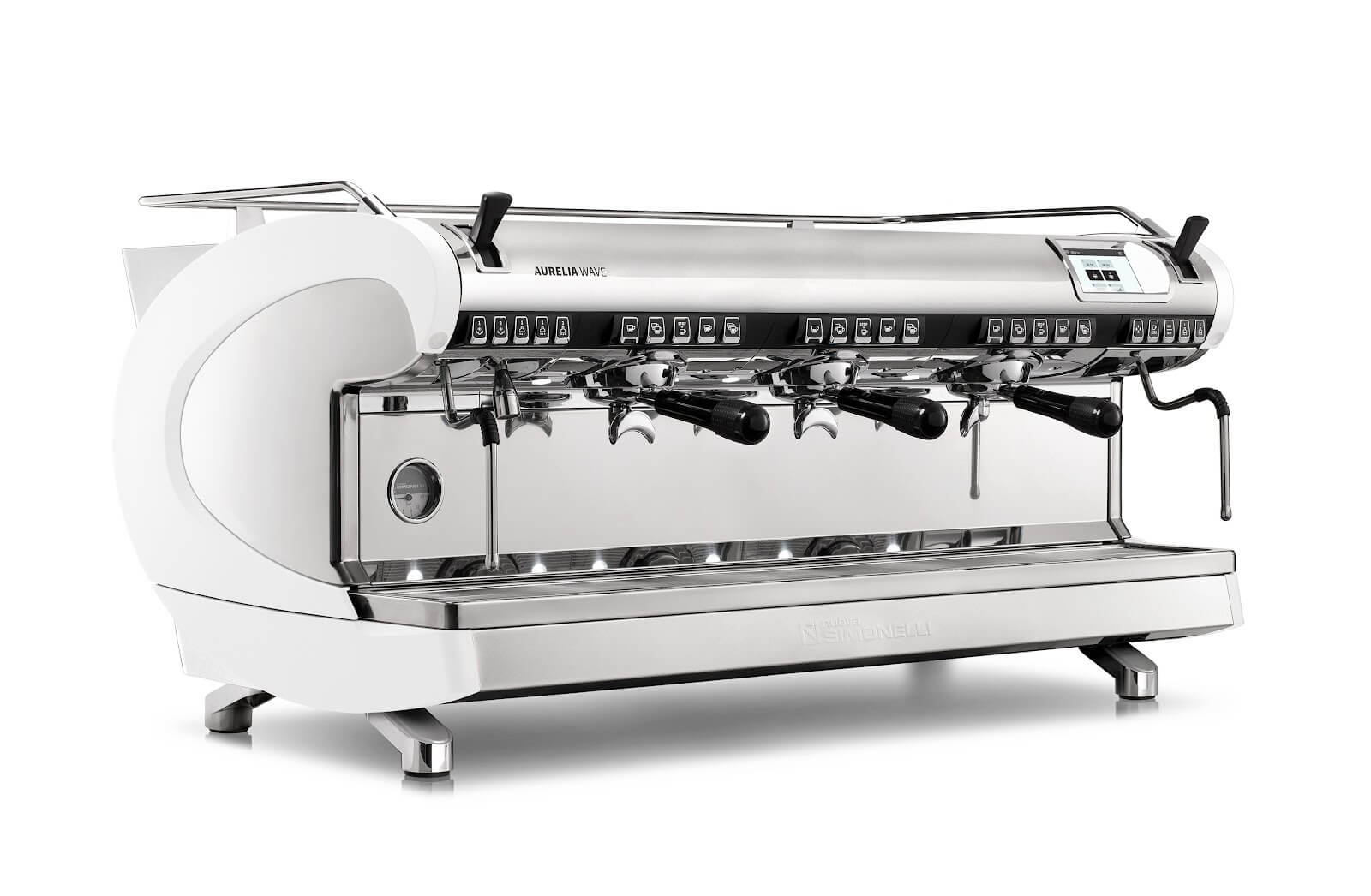
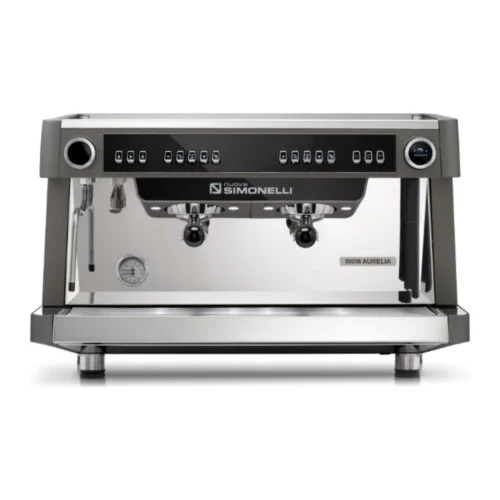
- Nuova Simonelli Nuova Aurelia and Aurelia Wave: high-performance machines for busy hospitality businesses. Their features help maintain consistency and make operation easier for teams with changing staff.
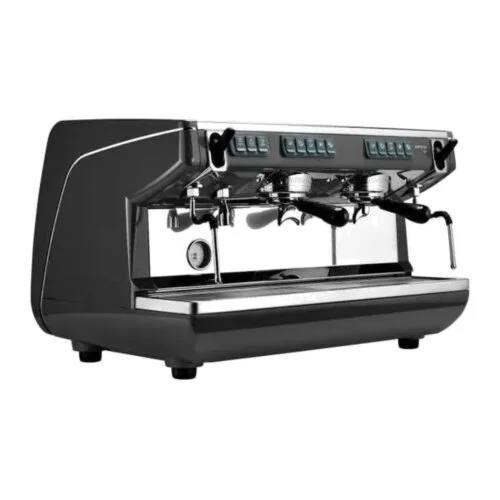
- Nuova Simonelli Appia Life: an easy-to-use range of commercial espresso machines. Depending on the version, it works well in both smaller venues and busier cafes.
Matching the espresso machine to your cafe’s design
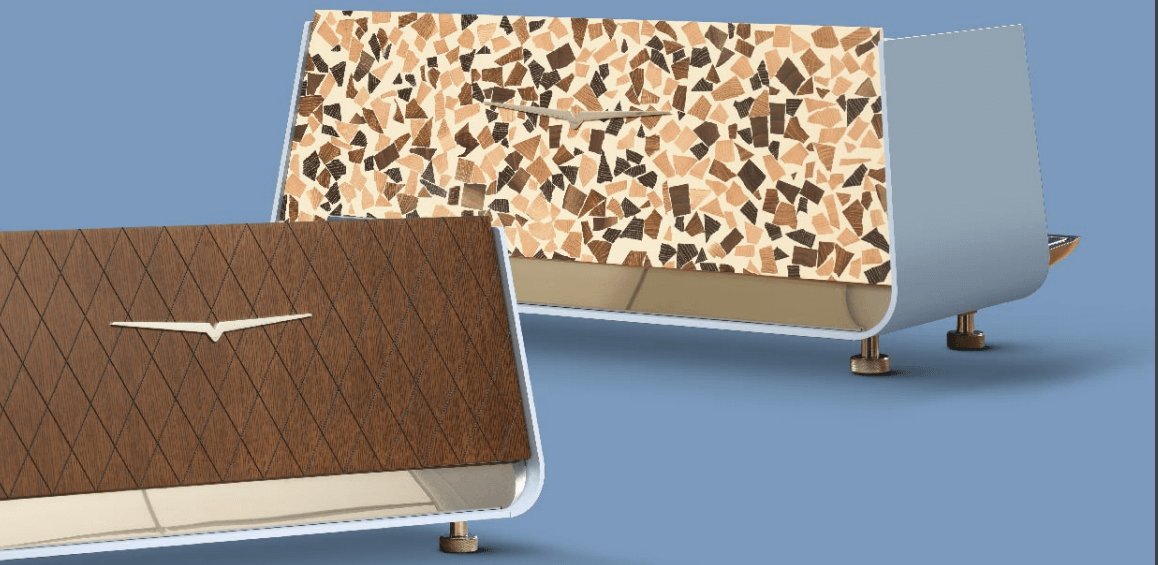
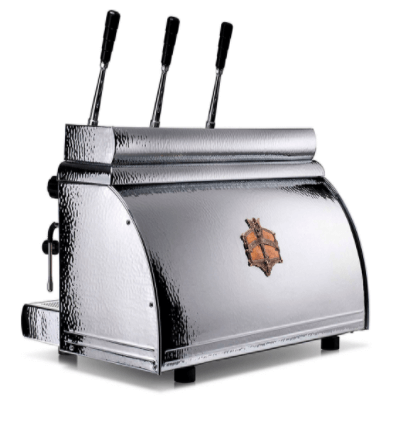
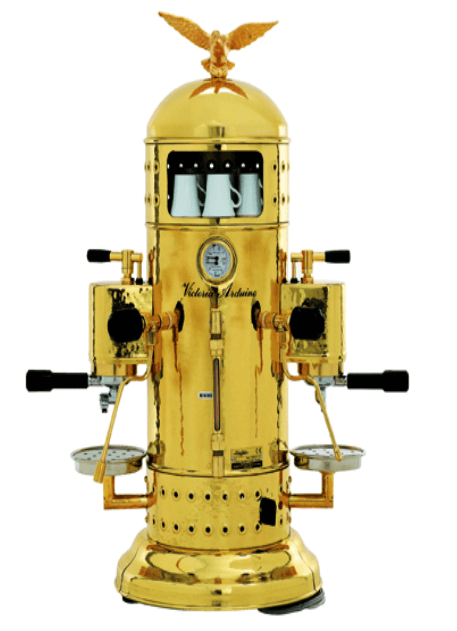
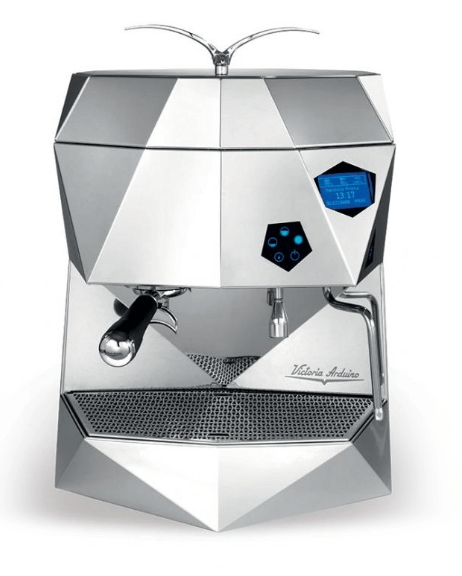
The espresso machine often sits at the centre of the bar, so its appearance matters. A low-profile, minimalist machine suits a modern cafe. For more traditional interiors, you could choose one of the handcrafted, decorative models from the Victoria Arduino Heritage range, such as Venus Bar or Athena Leva. Theresia, designed by the Fuksas studio, has a modern, geometric shape. A futuristic espresso machine won’t always suit a traditionally styled restaurant. Design matters, but it shouldn’t come at the expense of everyday usability.
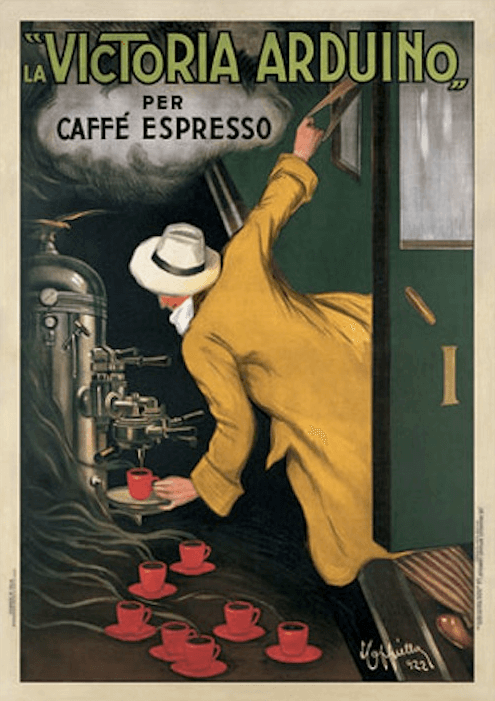
Simonelli Group brings together two Italian brands with long histories: Nuova Simonelli and Victoria Arduino. The latter is also known for its distinctive designs and historic advertising. One example is a poster created by Leonetto Cappiello in 1922.

Buying, leasing and running costs
You can buy a professional espresso machine outright, finance it through leasing or use another financing option. An espresso machine used for business purposes may qualify as a tax-deductible business expense, but how it’s accounted for depends on factors such as its value, how it was purchased and depreciation rules. Discuss the details with your accountant. We cover available support options in our article on grants for hospitality businesses.
Remember to budget for ongoing costs as well as the purchase price: electricity, replacement filter cartridges, cleaning products, gaskets, filter baskets and other consumable parts. Regular cleaning reduces the risk of breakdowns and helps maintain coffee quality. You’ll find suitable products in our espresso machine cleaning products category.
We’ve covered equipment selection, ordering, delivery and installation in our article on buying an espresso machine for your cafe with Colbergcoffee. If you’re unsure which model would work best for your business, get in touch with us.

Frequently asked questions about cafe espresso machines
What espresso machine should I buy for a new cafe?
For many new cafes, a two-group espresso machine with volumetric dosing is a good choice. Pair it with a suitable grinder and water filtration system. If demand is low, a single-group machine may be enough. The most important thing is choosing equipment that can handle your busiest hours.
Should I choose a single-group or two-group espresso machine?
A single-group machine works well in a pastry shop, restaurant or small venue where coffee isn’t the main product. If you prepare several drinks at once during peak hours or operate in a tourist destination, it’s worth considering two groups.
Is an HX or multi-boiler espresso machine better?
An HX machine has a simpler design and is often cheaper. It works well with traditional espresso blends and a single, consistent espresso recipe. A multi-boiler machine usually offers more stable temperatures and greater control over brewing. Models with independent group boilers let you set a separate temperature for each group head, which is useful when serving different specialty coffees.
How much should I spend on a grinder for my cafe?
Don’t compromise on grind quality to save money. Even an expensive espresso machine can’t fix problems caused by poorly ground coffee. Choose a grinder based on the number of drinks you prepare and how intensively it will be used. With a two-group machine and higher demand, consider two commercial coffee grinders.
Does a cafe espresso machine need a water filter?
Yes, proper water treatment is very important. It helps reduce limescale buildup and maintain suitable brewing conditions. The type of filter should be selected based on your water quality, the espresso machine manufacturer’s requirements and expected water consumption.
Can I lease an espresso machine for my cafe?
Yes. Leasing is a popular way to finance professional commercial espresso machines. Terms depend on the leasing company, the value of the equipment and your business circumstances. It’s worth discussing the tax treatment of leasing costs with your accountant.
Is a fully automatic coffee machine suitable for a cafe?
Yes, but it depends on the type of business. Cafes with dedicated baristas are more likely to choose traditional portafilter espresso machines, which offer greater control over espresso preparation. Fully automatic machines work well in offices, hotel breakfast areas and businesses where coffee is an addition to the main offering.
Przeczytaj też
Caffè latte: what it is, ratios and recipe
Caffè latte step by step: espresso to milk ratios, steaming milk on an espresso machine
Nov

Viennese coffee: recipe, Einspänner and Wiener Melange
Viennese coffee step by step: which cream to use, how to whip it so it
Nov
Coffee with lemon (espresso romano): recipe and facts
Coffee with lemon step by step: espresso romano with lemon peel, iced versions, mazagran and
Nov
Bulletproof coffee: recipe, calories and what research says
Bulletproof coffee: a recipe with exact amounts, calories, butter vs ghee, MCT oil and how
Nov
Frappe: how to make Greek iced coffee
Greek frappe step by step: ratios, sketos, metrios and glykos, shaking technique and mistakes that
Nov
How to make filter coffee: ratio, grind size and temperature
How to make filter coffee: how much coffee per litre of water, how to grind,
Oct
Coffee on an empty stomach: is it bad for you? What the research says
Is coffee on an empty stomach bad for you? What research says about stomach acid,
Oct
Affogato: what it is and how to make one
An affogato is an Italian dessert: a scoop of vanilla ice cream drowned in hot
Oct

This site is protected by reCAPTCHA. The Google Privacy Policy and Terms of Service apply.