












A moka pot, also known as a moka, macchinetta or caffettiera, is a simple way to make strong coffee at home without an espresso machine. It’s affordable and can last for years with proper care. It works on gas and electric stoves, while induction compatibility depends on the material and model, sometimes requiring an adapter. Even an old, well-used moka pot can make excellent coffee. This moka pot brew guide will show you how.
Moka pot coffee can easily turn out bitter, especially if you grind too fine or heat it for too long. Below, I’ll show you how to brew coffee in a moka pot step by step, choose the right beans, grind size and water, know when to remove it from the heat and clean it properly to keep your coffee tasting good.
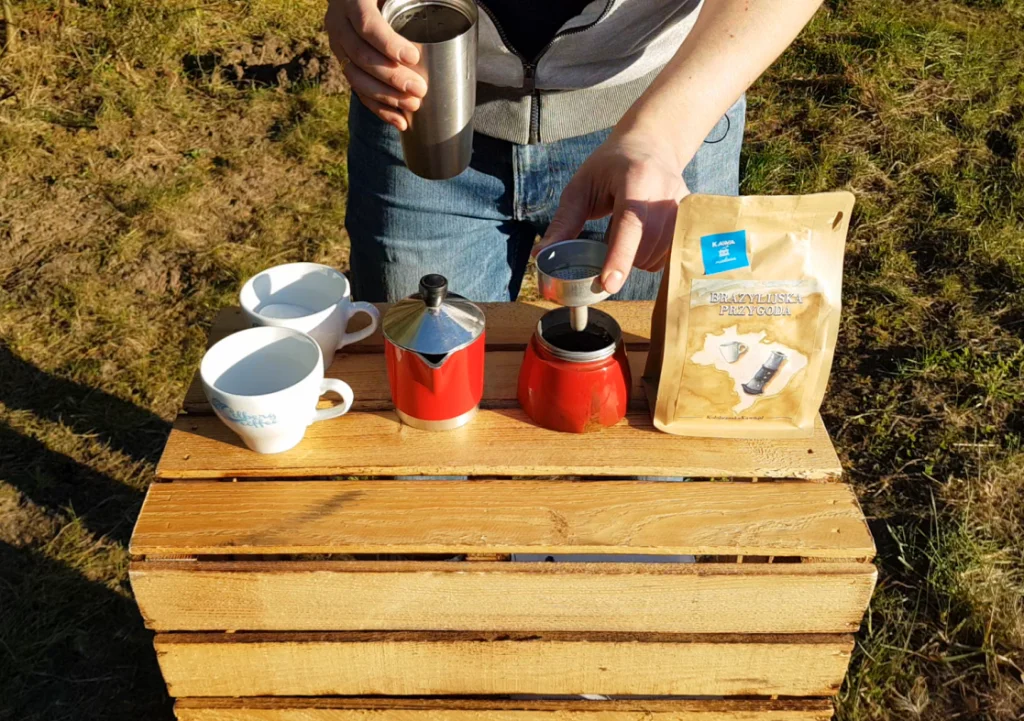
How does a moka pot work?
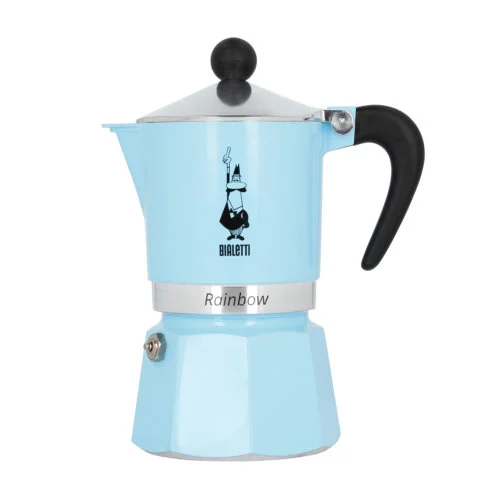
A moka pot has three main parts:
- The lower water chamber, fitted with a safety valve.
- A funnel-shaped filter basket that holds the ground coffee.
- The upper chamber, where the brewed coffee collects. It also contains a gasket and a second filter screen.
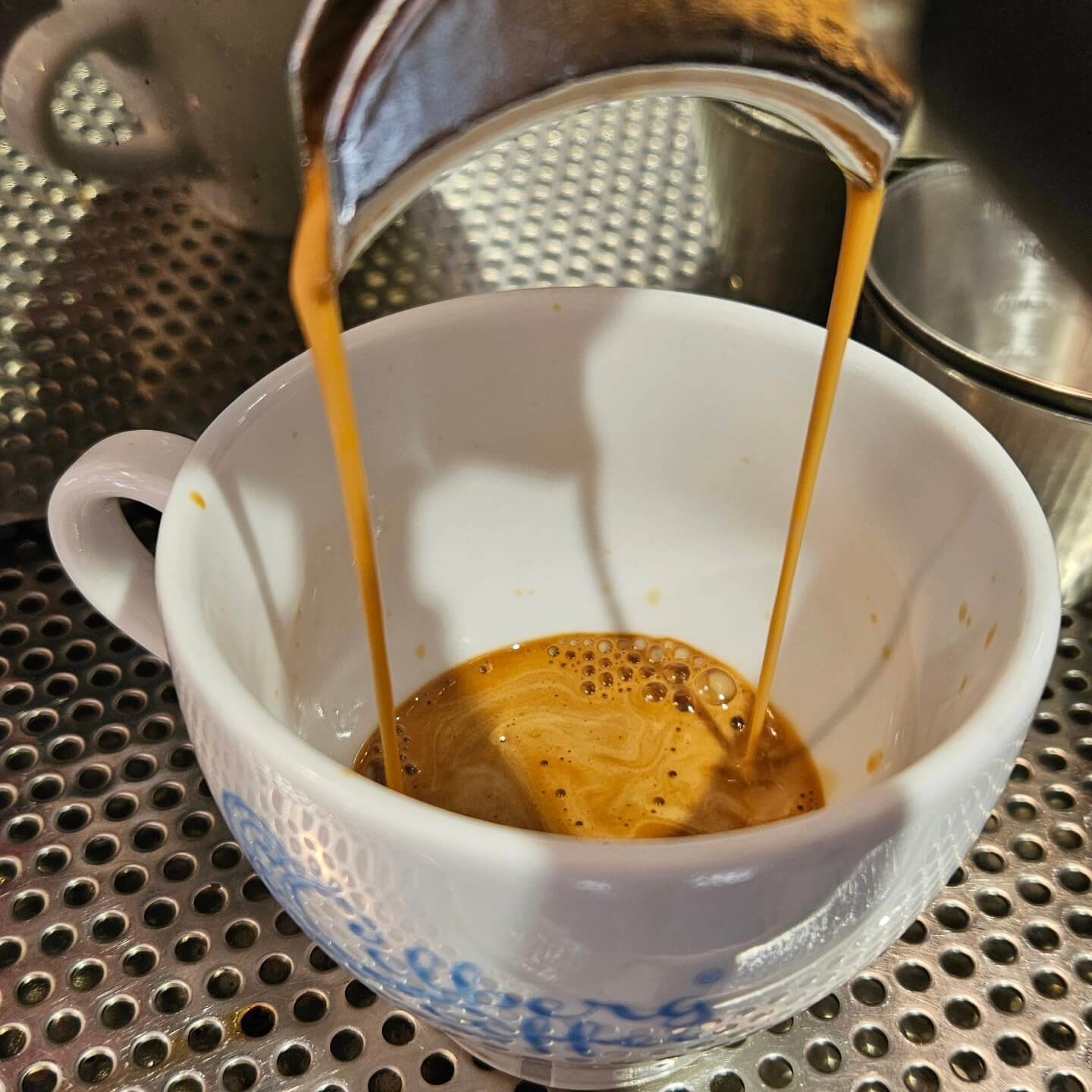
As the water heats up, pressure from steam and air builds inside the lower chamber. This pressure pushes hot water up through the ground coffee into the upper chamber. A moka pot typically operates at around 1-2 bar of pressure, much lower than the approximately 9 bar used by a traditional espresso machine. That’s why it doesn’t make true espresso, although it produces a strong brew with an intense flavour and full body. A classic moka pot doesn’t create the crema associated with espresso, but special models such as the Bialetti Brikka can produce a layer of foam. We explain the differences in our article espresso: what it is and how to make it.
The biggest challenge when brewing with a moka pot is controlling the temperature. The water heats up gradually, and its temperature changes as it passes through the coffee. Towards the end of brewing, it can approach boiling point. The metal filter basket holding the coffee also heats up. That’s why moderate heat and removing the moka pot from the stove at the right moment are so important.
Moka pot brew guide: step by step
- Boil water in a kettle and pour it into the lower chamber up to the level recommended by the manufacturer, usually just below the safety valve. Starting with hot water shortens the time needed to heat the moka pot and may reduce how long the ground coffee is exposed to heat before brewing begins.
- Grind the coffee finer than for pour-over brewing but coarser than for espresso. Start with a texture similar to fine sugar.
- Fill the filter basket loosely with ground coffee, right up to the rim. Level the surface with your finger and remove any excess grounds from the edge. Don’t tamp the coffee. Packing it too tightly restricts water flow and can cause a dangerous increase in pressure, potentially activating the safety valve.
- Optionally, add a paper filter. If it fits your model, you can attach a damp, round AeroPress filter to the underside of the upper filter screen. It will trap some fine coffee particles and may produce a clearer brew. Remember, though, that an additional filter increases resistance to water flow. Don’t use one if the manufacturer advises against it.
- Screw the moka pot together, holding the hot lower chamber with a thick cloth. Be careful not to burn yourself. Before assembling it, remove any coffee grounds from the rim of the filter basket and check that the gasket is seated properly.
- Place the moka pot over medium heat and leave the lid open so you can watch the coffee flow. If you’re using a gas stove, keep the flame within the base of the pot. Excessive heat can overheat the sides and damage the handle.
- Watch the coffee as it comes out. It should flow steadily in a dark, gentle stream. When the stream becomes noticeably lighter, approaching a straw colour, or you notice the first signs of sputtering, remove the moka pot from the heat.
- Cool the lower chamber. If you want to stop extraction quickly, carefully cool the lower chamber under running cold water, provided the manufacturer’s instructions allow it, or place the moka pot on a cool, damp cloth. This helps prevent further heating and limits the final part of the brew, which can contribute more bitterness.
- Stir the finished coffee in the upper chamber and pour it into cups immediately. Don’t leave the coffee sitting in the hot moka pot, as it will continue heating and may lose its pleasant flavour.
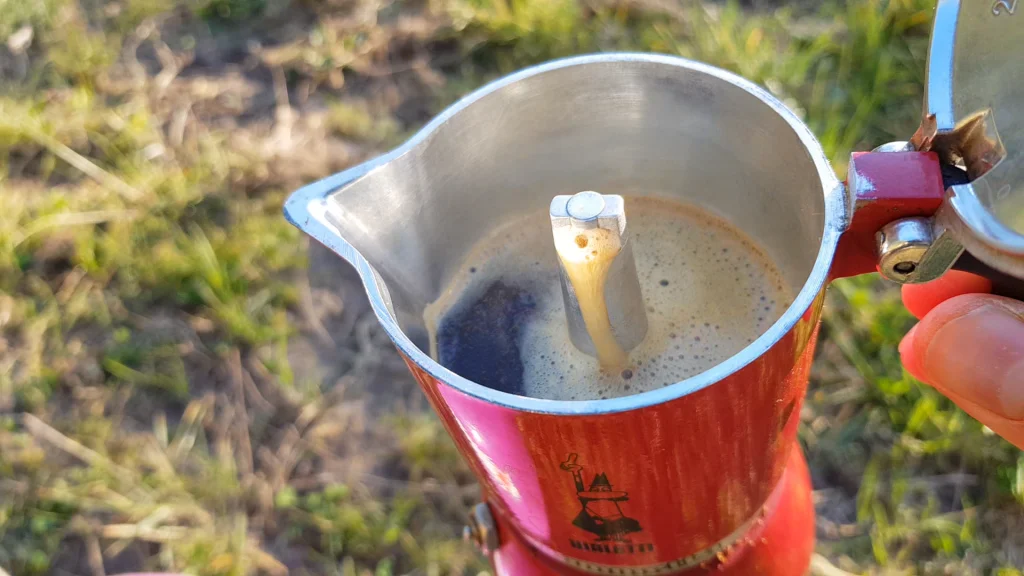
Moka pot brewing video
In the video, I demonstrate the entire process, from adding water and ground coffee to finishing the brew and cooling the moka pot.
Moka pot brew guide: grind size and troubleshooting
For a moka pot, start with a grind size somewhere between espresso and pour-over, roughly the texture of fine sugar. Grinding too fine increases resistance to water flow and can lead to excessive bitterness. A slightly coarser grind may help produce a smoother cup. Adjust the final setting to suit your particular coffee and taste.
Pre-ground supermarket coffee isn’t always the right size for a moka pot. If it’s too fine, it can slow water flow, increase bitterness, leave sediment in your cup and clog the filter. A burr grinder is the best option. If you don’t have one, buy beans from a coffee roastery and ask for them to be ground specifically for a moka pot. You’ll find settings for different brewing methods in our guide to grinding coffee for every brewing method.
| Problem | Likely cause | What to change |
|---|---|---|
| Bitter, burnt taste | Grind too fine, heat too high, starting with cold water | Grind coarser, reduce the heat, start with hot water |
| Sour, watery coffee | Grind too coarse or not enough coffee in the basket | Grind finer, fill the basket completely |
| Coffee comes out too quickly and splashes | Heat too high | Reduce the heat, remove the pot earlier |
| No coffee comes out or the safety valve hisses | Grind too fine or coffee packed too tightly | Remove from the heat, let it cool, grind coarser and don’t tamp |
| Fine particles and muddy sediment in the cup | Coffee ground too fine, worn filter screen | Add a paper filter, replace the filter screen and gasket |
What water should you use in a moka pot?
Moka pot coffee is mostly water, so water quality makes a big difference. It’s best to use fresh, clean water without a noticeable chlorine smell. If your tap water is very hard or tastes unpleasant, try filtered water or spring water with moderate mineral content.
Hard water can also cause limescale to build up inside the lower chamber and around the safety valve. That’s why it’s worth checking your moka pot regularly. We explain how mineral composition affects extraction and flavour in our article how water affects the taste of coffee.
What coffee is best for a moka pot?
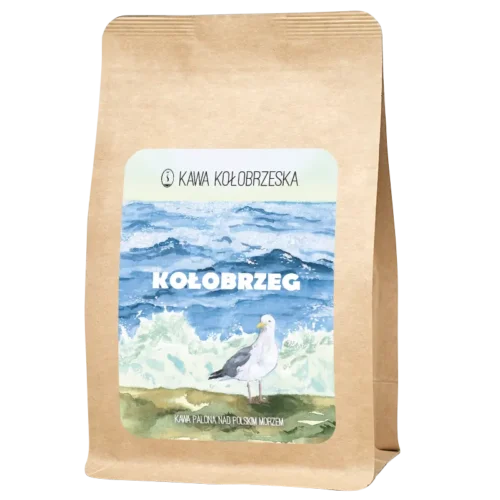
Start with freshly roasted, medium-roasted coffee with a smooth flavour profile and low perceived acidity. Among coffees from Brazil, Peru, Mexico and Colombia, you’ll find plenty with notes of chocolate, nuts and caramel. A Brazilian coffee with this profile is a good choice for your first attempts. You’ll find specific recommendations in our coffee for moka pots category.
If you drink coffee with milk or enjoy a more intense flavour, try a blend of arabica and robusta. Robusta often adds bitterness, increases body and helps the coffee flavour stand out when mixed with milk. Light-roasted, fruity coffees can also be brewed in a moka pot, but they require more careful adjustment of grind size and temperature. With poor extraction, they can taste overly sharp.
If you’re not sure which beans to start with, read our guide coffee for moka pots: which beans should you choose?.
Choosing a moka pot: aluminium or stainless steel?
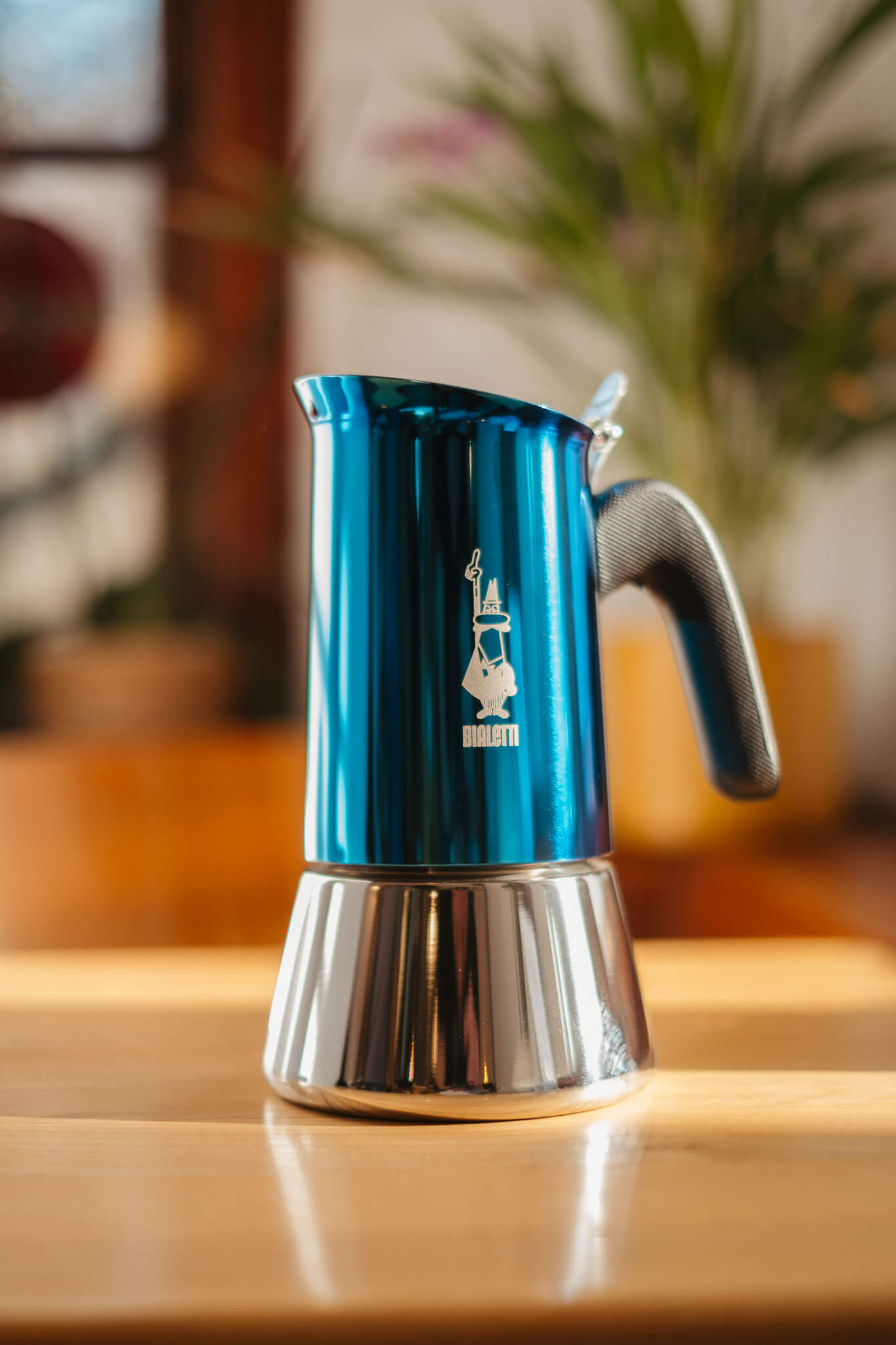
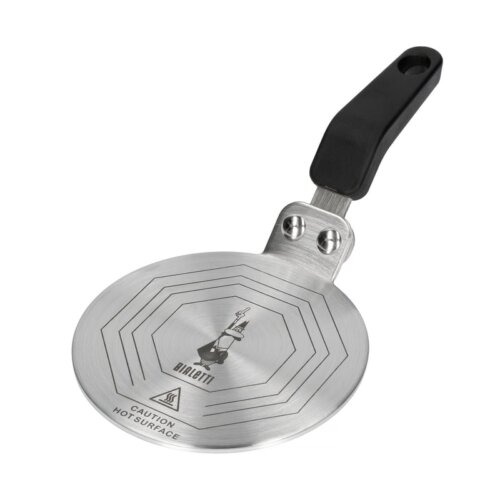
Classic moka pots are made from aluminium, although stainless steel models are also available. Both can make excellent coffee. They differ in heat conductivity, weight, maintenance and stove compatibility. Aluminium models usually need an adapter for induction cooking. Stainless steel models often work without one, but always check the manufacturer’s specifications.
| Feature | Aluminium | Stainless steel |
|---|---|---|
| Heating | Heats quickly, easy to control brewing | Slower heating |
| Induction hob | Only with an adapter | Usually compatible, check the manufacturer’s label |
| Cleaning | Water only, no dishwasher or detergents | Easier to clean, more resistant to detergents |
| Durability | Long-lasting with proper care | Very long-lasting |
Aluminium is a good choice if you enjoy classic moka pots. It conducts heat quickly and responds well to changes in burner power. Choose a size based on how much coffee you usually make. Traditional moka pots are generally designed to work with a full filter basket and a specific amount of water. That’s why a large model isn’t always suitable for brewing a small serving. You’ll find available models and replacement parts in our moka pots category.
How to clean a moka pot
After each brew, wait for the moka pot to cool down. Take it apart, remove the used coffee grounds and rinse all the parts thoroughly with warm water. Then dry everything and store the moka pot disassembled. This helps prevent moisture buildup and unpleasant smells.
Don’t put aluminium moka pots in the dishwasher. Harsh detergents can damage their surfaces. White, matte marks inside the pot may be mineral deposits or the result of aluminium oxidation. They don’t automatically mean the moka pot is no longer safe to use. Clean it according to the manufacturer’s instructions and check the condition of the surface. If you find deep pitting, corrosion or damaged components, replace the moka pot.
Regularly inspect the gasket and both filter screens. Replace the gasket if it becomes hard, cracks or the moka pot starts leaking around the joint. Damaged or blocked filter screens also need attention. You can remove limescale from the lower chamber using a solution of water and citric acid, if the manufacturer allows it. Rinse all parts thoroughly after descaling.
Drinking moka pot coffee with or without milk
You can drink strong moka pot coffee from small cups or dilute it with hot water if you prefer a milder flavour. It also works well as a base for homemade latte. Froth some milk, pour it into a glass and add freshly brewed moka pot coffee.
You don’t need an espresso machine with a steam wand to make milk-based coffee. You can even froth milk in a French press. Find out how in our guide to frothing milk at home without an espresso machine.



Frequently asked questions about moka pot brewing
How much coffee should you put in a moka pot?
With a traditional moka pot, use enough ground coffee to fill the filter basket loosely to the rim. Don’t tamp it. Most models are designed to work with a full basket and the amount of water specified by the manufacturer. If you regularly want to make smaller servings, it’s best to choose a smaller moka pot.
Should you tamp coffee in a moka pot?
No. Water flows upward through the coffee, and tamping increases resistance to that flow. This can prevent the coffee from coming out properly and cause a dangerous increase in pressure, potentially activating the safety valve. Simply fill the basket loosely, level the grounds with your finger and remove any excess from the rim.
Should you use cold or hot water in a moka pot?
Both methods are possible, but hot water shortens the heating time. It may also reduce how long the ground coffee is heated before extraction begins. However, it doesn’t guarantee better flavour in every situation. If you start with hot water, be careful when assembling the pot because the lower chamber becomes very hot.
When should you remove a moka pot from the heat?
Remove it when the coffee stream becomes noticeably lighter, approaching a straw colour, or when you hear the first signs of sputtering. Take the moka pot off the heat at that point. You can also carefully cool the lower chamber if the manufacturer permits it. This limits the final part of the brew, which can be more bitter.
Why does moka pot coffee taste bitter?
The most common causes are grinding too fine, using too much heat or removing the moka pot from the stove too late. Bitterness can also come from very dark roasting or the quality of the beans. Try a coarser grind, lower heat and stopping the brew earlier. Starting with hot water may help shorten the heating time, but using cold water doesn’t automatically make coffee bitter.
Can you wash a moka pot in the dishwasher?
Aluminium moka pots shouldn’t be washed in the dishwasher. Detergents and high temperatures can damage the aluminium surface. It’s best to clean them by hand, following the manufacturer’s instructions, and then dry them thoroughly. Stainless steel moka pots can be more resistant, but dishwasher compatibility depends on the specific model.
Is moka pot coffee the same as espresso?
No. A moka pot usually operates at around 1-2 bar of pressure, while traditional espresso is brewed at approximately 9 bar. Moka pot coffee is strong, with an intense flavour and full body, but it has a different structure from espresso. Traditional moka pots also don’t produce typical espresso crema. Special models such as the Bialetti Brikka are an exception, as they can create a layer of foam. People sometimes call moka pot coffee espresso in everyday conversation, but technically they’re two different brewing methods.
Przeczytaj też

Caffè latte: what it is, ratios and recipe
Caffè latte step by step: espresso to milk ratios, steaming milk on an espresso machine
Nov

Viennese coffee: recipe, Einspänner and Wiener Melange
Viennese coffee step by step: which cream to use, how to whip it so it
Nov
Coffee with lemon (espresso romano): recipe and facts
Coffee with lemon step by step: espresso romano with lemon peel, iced versions, mazagran and
Nov

Bulletproof coffee: recipe, calories and what research says
Bulletproof coffee: a recipe with exact amounts, calories, butter vs ghee, MCT oil and how
Nov

Frappe: how to make Greek iced coffee
Greek frappe step by step: ratios, sketos, metrios and glykos, shaking technique and mistakes that
Nov

How to make filter coffee: ratio, grind size and temperature
How to make filter coffee: how much coffee per litre of water, how to grind,
Oct

Coffee on an empty stomach: is it bad for you? What the research says
Is coffee on an empty stomach bad for you? What research says about stomach acid,
Oct

Affogato: what it is and how to make one
An affogato is an Italian dessert: a scoop of vanilla ice cream drowned in hot
Oct

This site is protected by reCAPTCHA. The Google Privacy Policy and Terms of Service apply.