















A flat white is usually a double espresso combined with silky steamed milk and a very thin layer of microfoam on top. It is typically served in a 150-180 ml cup. It is smaller and stronger-tasting than a latte and has less foam than a cappuccino. In this guide we explain what a flat white is and where it comes from, give a recipe with ratios and compare it with a latte, cappuccino and cortado. The ratios and tips come from working behind the bar of our café in Kołobrzeg.

What is a flat white?
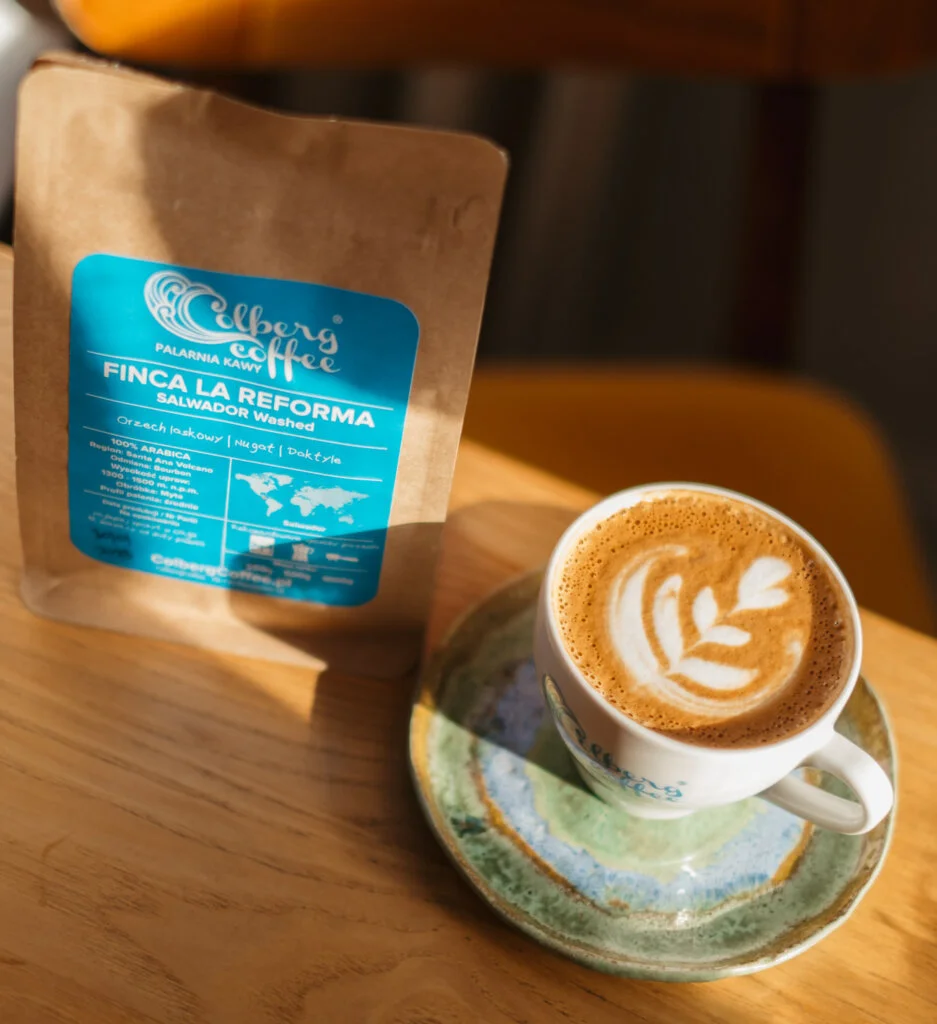
The name refers to the flat surface: there is no tall cap of foam as in a cappuccino. The milk should be smooth and glossy and cover the coffee with a very thin layer of microfoam, usually no more than about half a centimetre.
The base is a double espresso. Because there is less milk than in a latte, the coffee stays clearly in the foreground, and the milk rounds it out rather than covering it. That is why people who like milky coffee but still want to taste the coffee often choose a flat white.
Where does the flat white come from?
The flat white is not Italian. It is associated above all with Australia and New Zealand, where it became popular in the 1980s. In Sydney the name appeared in cafés in the first half of the decade, and one New Zealand story leads to Wellington in 1989. Its exact origin is still disputed. What is certain is that it became a classic in both countries and later travelled with specialty cafés to Europe and Poland.
How to make a flat white: recipe and ratio
For one cup you need:
- 18 g of freshly ground coffee for a double espresso, about 36-40 g of beverage,
- about 120 ml of cold milk, for example 3.2% whole milk (after steaming, pour only as much as the cup holds),
- a 150-180 ml cup.
- Warm the cup with hot water or on the cup warmer.
- Brew a double espresso. Start with 18 g of coffee and about 36-40 g of beverage in 25-30 seconds, then adjust to taste and the coffee you use. Read more about these parameters in our article on coffee ratio.
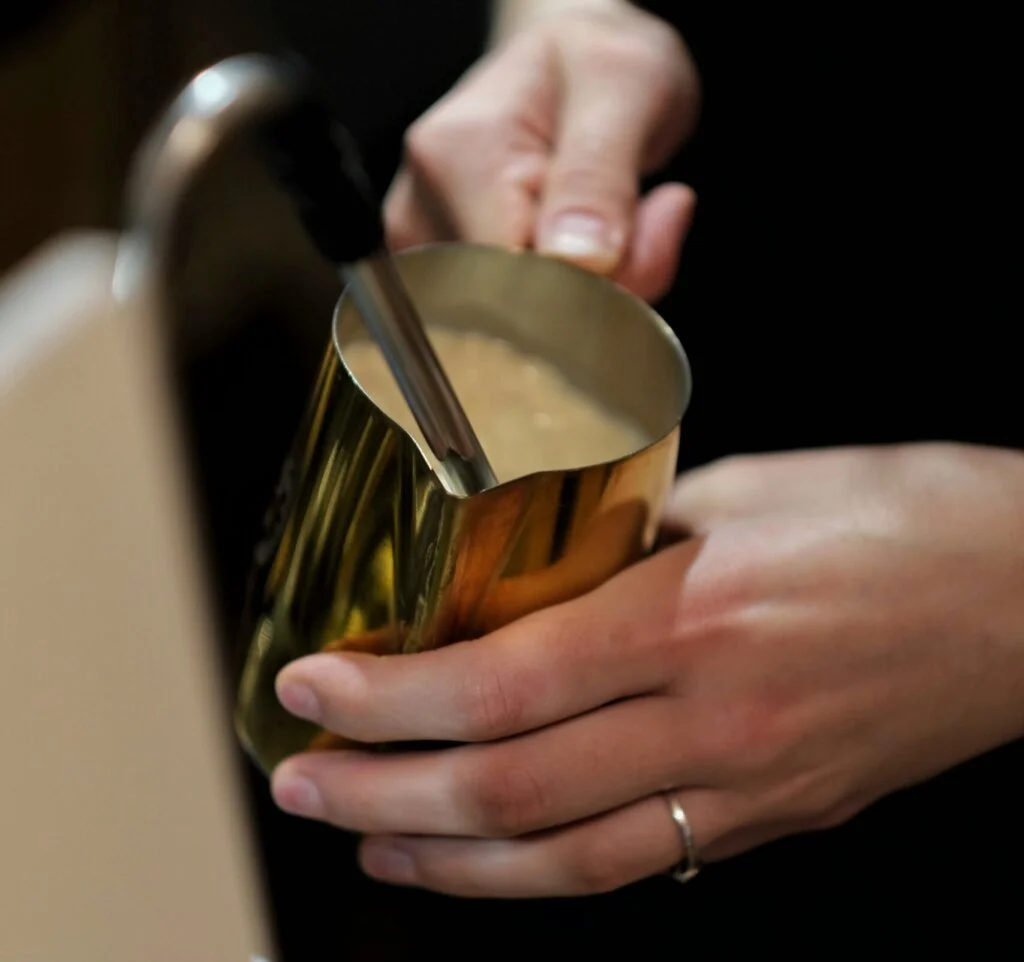
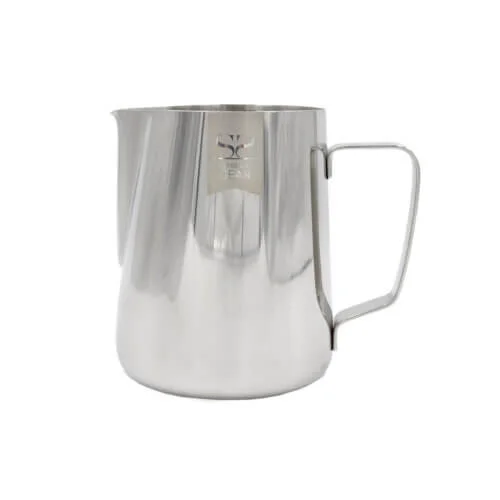
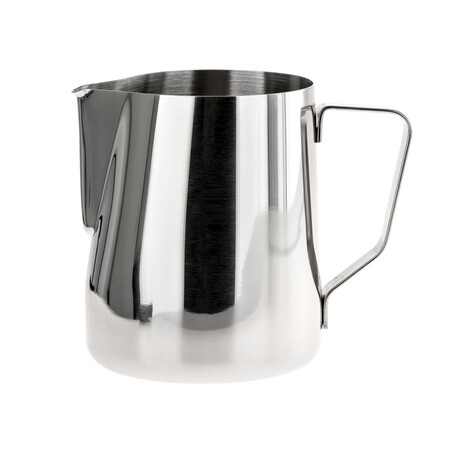
- Steam the milk to about 55-65°C, ideally starting at 60°C. Stretch it briefly at the start of heating, then keep the milk spinning in the jug. You want smooth, glossy microfoam without large bubbles.
- Tap the jug on the counter and swirl the milk so it is uniform and shiny.
- Pour in a thin stream from a height first, then bring the jug close to the surface towards the end. That is when you can draw a heart or a tulip.
We describe steaming in detail in how to steam milk with an espresso machine, and patterns in latte art at home.


Flat white vs latte, cappuccino and cortado
| Drink | Espresso | Volume | Milk and foam |
|---|---|---|---|
| Flat white | Usually double | About 150-180 ml | Very thin layer of microfoam, up to about 0.5 cm |
| Cappuccino | Single or double | About 150-180 ml | A distinct layer of creamy microfoam, often about 1-1.5 cm |
| Latte | Single or double | About 250-350 ml | Lots of milk, a relatively thin layer of microfoam |
| Cortado | Single or double | About 60-120 ml, depending on the recipe | Roughly as much milk as espresso, minimal foam |
Flat white vs latte: a latte usually has more milk and a larger volume, often about 250-350 ml, so it is milder. A flat white is smaller and has a stronger espresso flavour.
Flat white vs cappuccino: the volume can be similar, but a cappuccino usually has a thicker, fluffier layer of microfoam. A flat white has less aerated milk and often a more intense coffee taste, especially with a double espresso.
We cover the other drinks separately: latte vs cappuccino, caffè latte vs latte macchiato and the cortado.
Flat white without an espresso machine
Without an espresso machine you can make a drink similar to a flat white, though not identical. Instead of espresso, use about 60 ml of strong moka pot coffee, and froth the milk with a handheld frother or a French press. Keep the foam fine and not too high. See our guides to the moka pot and frothing milk without a machine.
Which coffee for a flat white?
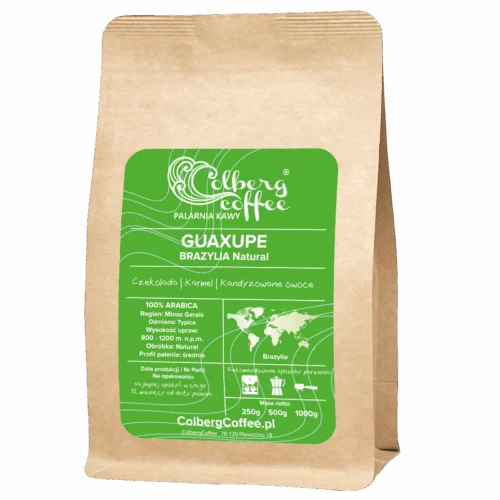
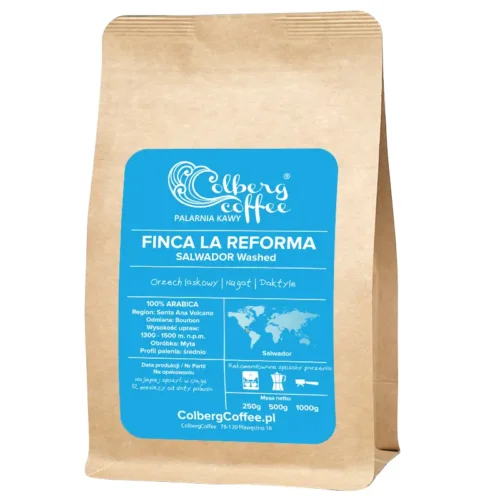
For a flat white people often choose medium or slightly darker roasts with chocolate, nut and caramel notes. They give a classic, dessert-like pairing with milk. If you like a fruitier taste, try lighter roasts too. From our roastery we recommend Brazil Santos Guaxupe, El Salvador Finca La Reforma or the more intense Jeremii Blend. More suggestions are in our article on coffees for milk drinks.
You can also make a flat white with a plant-based drink. Barista versions, such as oat barista, steam best. How plant-based drinks change the taste of coffee is covered in plant-based milk and coffee.

What is a flat white?
A flat white is usually a double espresso combined with silky steamed milk and a very thin layer of microfoam on top. It is typically about 150-180 ml. It tastes stronger than a latte and has less foam than a cappuccino.
What is the difference between a flat white and a latte?
A latte usually has more milk and a larger volume, often about 250-350 ml, so it is milder. A flat white is smaller, has minimal microfoam and a stronger espresso flavour.
What is the difference between a flat white and a cappuccino?
A cappuccino usually has a thicker, fluffier layer of microfoam. A flat white has less aerated milk and, with less milk relative to the espresso, often a stronger coffee taste.
How many ml is a flat white?
Usually about 150-180 ml. It is most often made with a double espresso, for example 36-40 g of beverage, and topped up with steamed milk to fill the cup. Measure out about 120 ml of cold milk for steaming.
How much caffeine is in a flat white?
As much as the espresso used to make it, since milk adds no caffeine. With a double shot of the same coffee it is usually about twice as much as a single espresso. The exact amount depends on the coffee, the dose and the extraction.
Can you make a flat white without an espresso machine?
You can make a similar drink: combine strong moka pot coffee with finely frothed milk from a handheld frother or a French press. The taste will be somewhat different from one made with espresso.
Przeczytaj też

Caffè latte: what it is, ratios and recipe
Caffè latte step by step: espresso to milk ratios, steaming milk on an espresso machine
Nov

Viennese coffee: recipe, Einspänner and Wiener Melange
Viennese coffee step by step: which cream to use, how to whip it so it
Nov
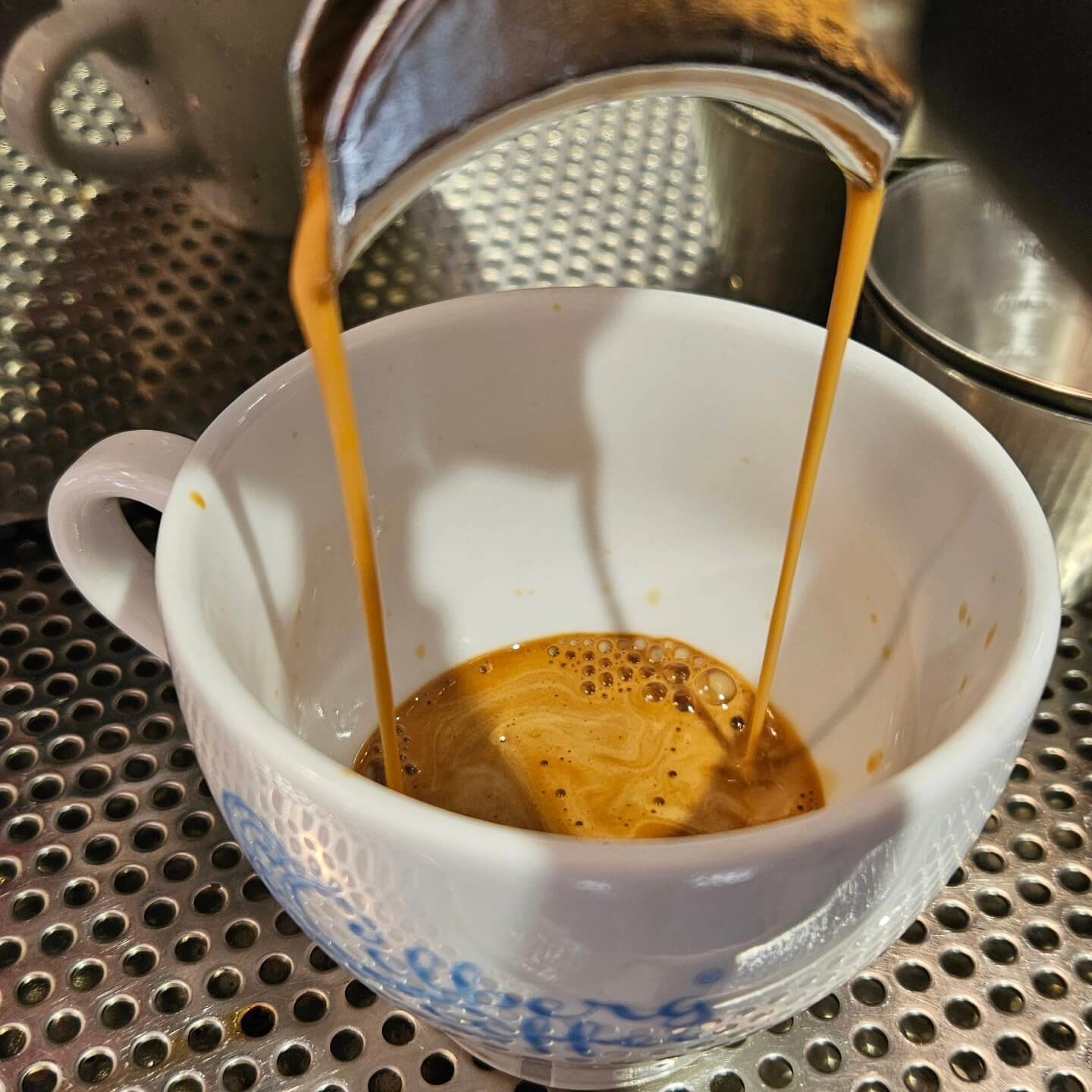
Coffee with lemon (espresso romano): recipe and facts
Coffee with lemon step by step: espresso romano with lemon peel, iced versions, mazagran and
Nov

Bulletproof coffee: recipe, calories and what research says
Bulletproof coffee: a recipe with exact amounts, calories, butter vs ghee, MCT oil and how
Nov

Frappe: how to make Greek iced coffee
Greek frappe step by step: ratios, sketos, metrios and glykos, shaking technique and mistakes that
Nov

How to make filter coffee: ratio, grind size and temperature
How to make filter coffee: how much coffee per litre of water, how to grind,
Oct

Coffee on an empty stomach: is it bad for you? What the research says
Is coffee on an empty stomach bad for you? What research says about stomach acid,
Oct

Affogato: what it is and how to make one
An affogato is an Italian dessert: a scoop of vanilla ice cream drowned in hot
Oct

This site is protected by reCAPTCHA. The Google Privacy Policy and Terms of Service apply.